


Johann David Heinichen
Released Album
Concerto
-
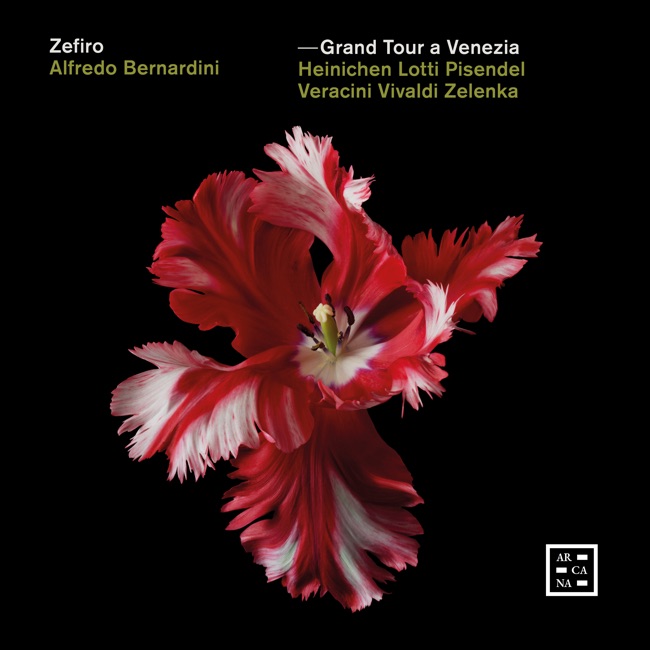 September 23, 2022
 -
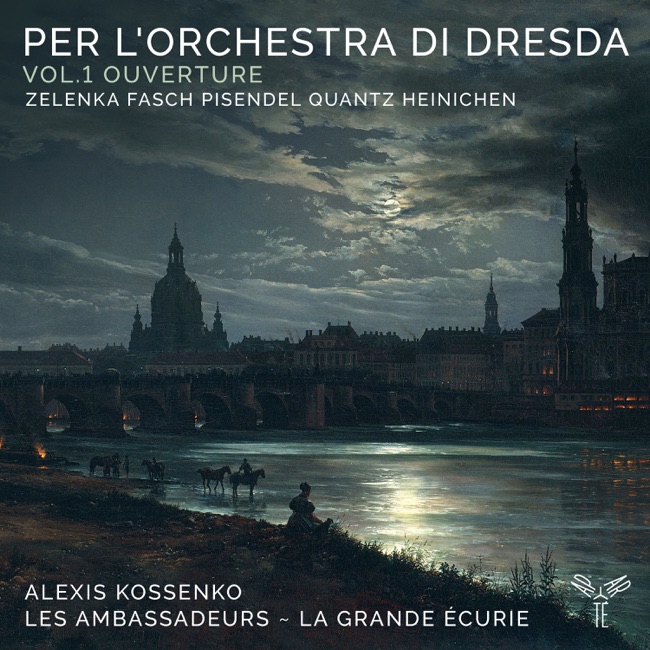 October 1, 2021
 -
 August 16, 2019
 -
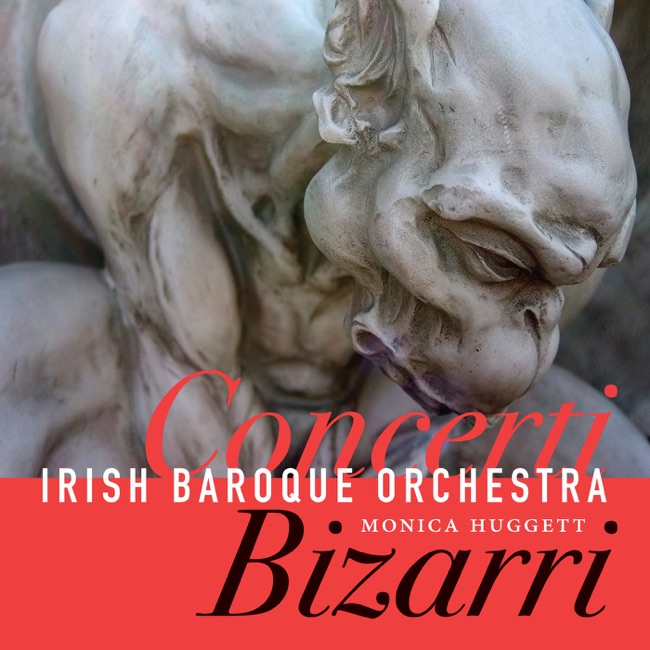 May 27, 2016
 -
 March 31, 2016
 -
 March 10, 2015
Choral
-
-
 June 3, 2022
 -
-
 May 12, 2015
 -
 April 26, 2013
 -
 October 25, 2011
Orchestral
-
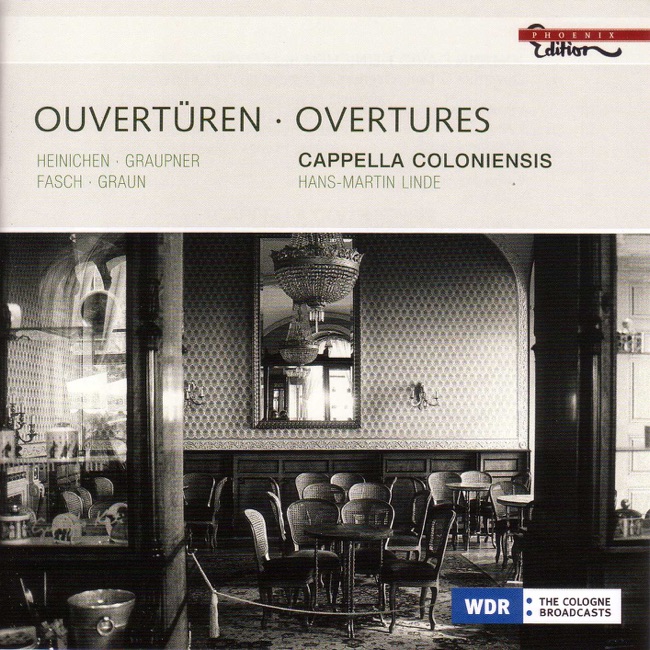 January 27, 2009
 -
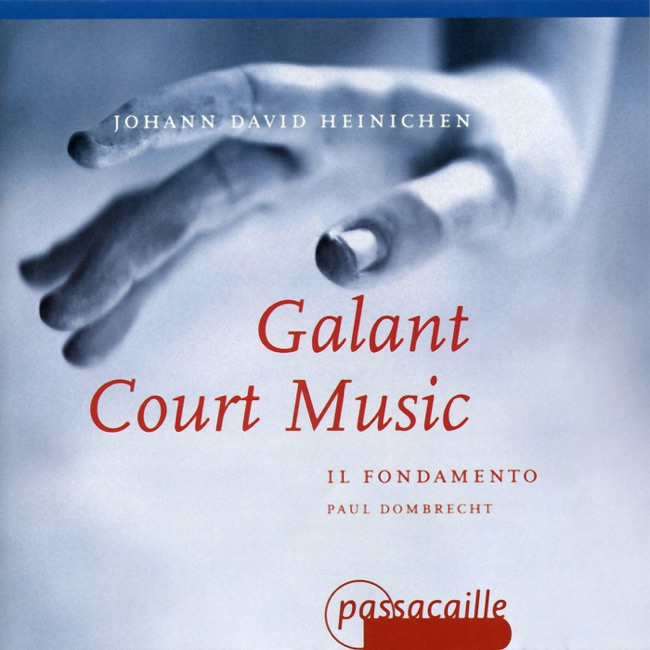 January 28, 2003
Chamber
-
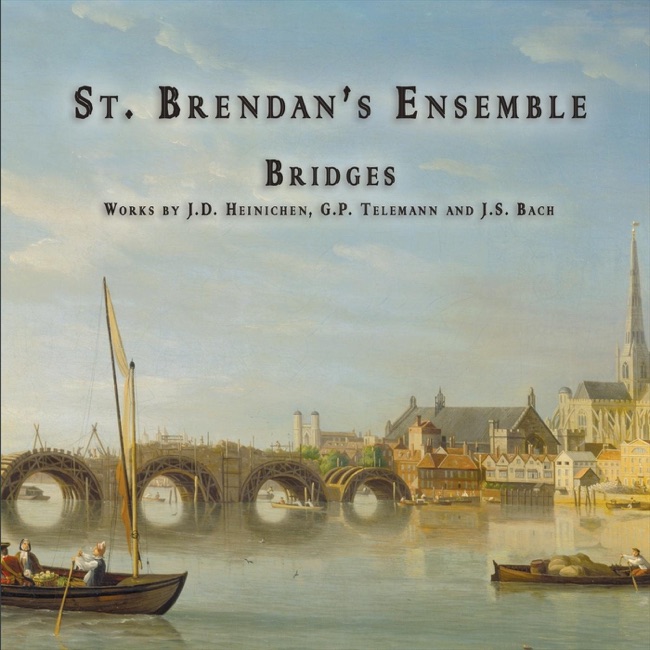 December 11, 2018
 -
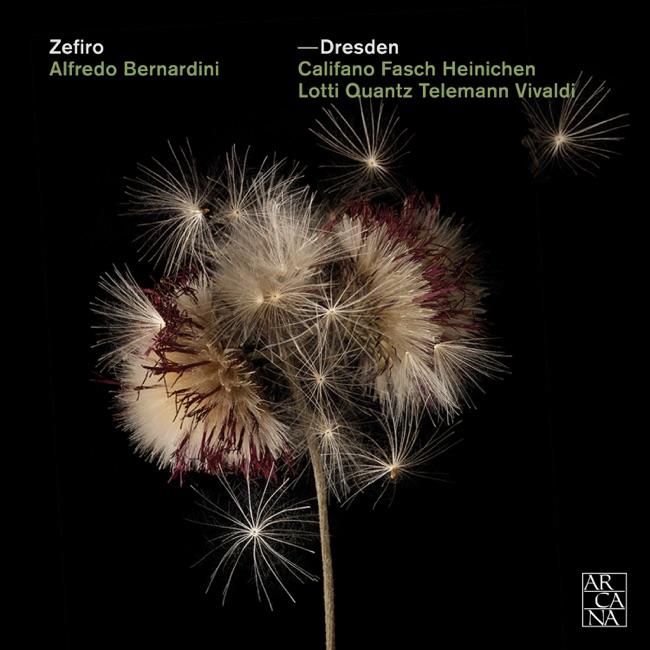 September 22, 2017
 -
-
 May 8, 2012
 -
 August 1, 2010
 -
 September 20, 2005
Artist Info
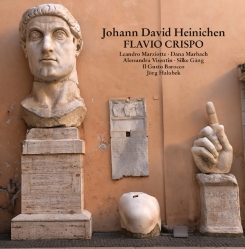
Role:ComposerCountry: GermanyBirth:April 17, 1683 in Krössuln, GermanyDeath:July 16, 1729 in Dresden, GermanyPeriod:BaroqueGenre:ConcertoOperaVocalJohann David Heinichen was a German composer and music theorist who lived from 1683 to 1729. He was born in the town of Krössuln, near Leipzig, and grew up in a family of musicians. His father, Johann Michael Heinichen, was a cantor and organist, and his mother, Maria Magdalena, was a singer. Johann David Heinichen showed an early talent for music, and his father began teaching him the violin and keyboard when he was still a child. Heinichen's musical education continued at the Thomasschule in Leipzig, where he studied under Johann Kuhnau, the cantor of the Thomaskirche and a prominent composer of the time. Heinichen also studied law at the University of Leipzig, but his passion for music soon led him to abandon his legal studies and pursue a career in music. In 1709, Heinichen moved to Venice, where he studied with the famous composer Antonio Lotti. He also became acquainted with other prominent musicians of the time, including Johann Joseph Fux and Georg Friedrich Händel. Heinichen's time in Venice was a formative period in his musical development, and he began to develop his own unique style, which combined elements of Italian and German music. In 1710, Heinichen returned to Germany and settled in Dresden, where he was appointed as a court musician to the Elector of Saxony. He remained in Dresden for the rest of his life, and his position at the court allowed him to compose music for a variety of occasions, including church services, court ceremonies, and operas. Heinichen's most famous works are his operas, which were highly regarded in their time. His first opera, Il trionfo della continenza, was performed in Dresden in 1712, and was followed by several other successful operas, including Flavio Crispo, La Clemenza di Tito, and Demetrio. Heinichen's operas were known for their beautiful melodies, intricate harmonies, and dramatic flair, and they helped to establish him as one of the leading composers of his time. In addition to his operas, Heinichen also composed a large amount of sacred music, including masses, motets, and cantatas. His sacred music was heavily influenced by the music of Johann Sebastian Bach, who was a contemporary of Heinichen's and also worked in Saxony. Heinichen's sacred music is characterized by its rich harmonies, expressive melodies, and intricate counterpoint. Heinichen was also a prolific music theorist, and he wrote several important treatises on music theory and composition. His most famous work is the General Bass Theory, which was published in 1728 and is still studied by music theorists today. The General Bass Theory is a comprehensive guide to harmony and counterpoint, and it includes detailed instructions on how to compose music in a variety of styles. Heinichen's contributions to music theory and composition were highly regarded in his time, and he was widely respected as a teacher and mentor to other musicians. His students included Johann Joachim Quantz, who went on to become one of the most famous flute players of the 18th century, and Johann Georg Pisendel, who became a prominent violinist and composer. Despite his many accomplishments, Heinichen's life was not without its challenges. He suffered from poor health throughout his life, and he was often in financial difficulties. He also faced criticism from some of his contemporaries, who accused him of being too influenced by Italian music and not sufficiently German in his style.More....
Recent Artist Music

3
1:39
4
1:3
5
Pastoral For the Night of the Nativitate Christi for orchestra
Pastorale per la Notte della Nativitate Christi (Weihnachtspastorale)
5:58
7
4:30
8
3:17
9
1:55
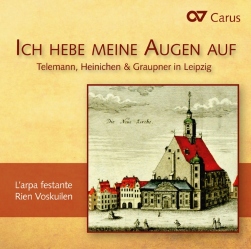
11
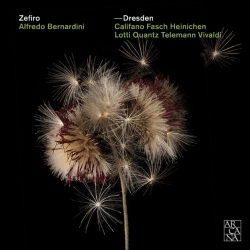
2:41
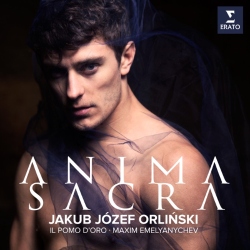
13
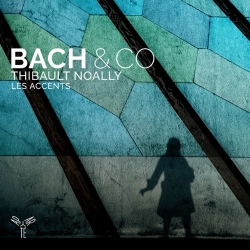
Concert Movement for oboe, violin & strings in C minor, Seibel 240
Concerto for Violin and Oboe in C minor, S 240 / Concerto pour violon et hautbois en do mineur, S 240: Vivace
3:3
Recommend Playlist



Copyright Ⓒ 2013 Davinci Finger. All rights reseved
Service Terms & Policy