Johann David Heinichen
Trio Sonata for 2 oboes, bassoon & continuo in B flat major, Seibel 257
Released Album
Recent Album
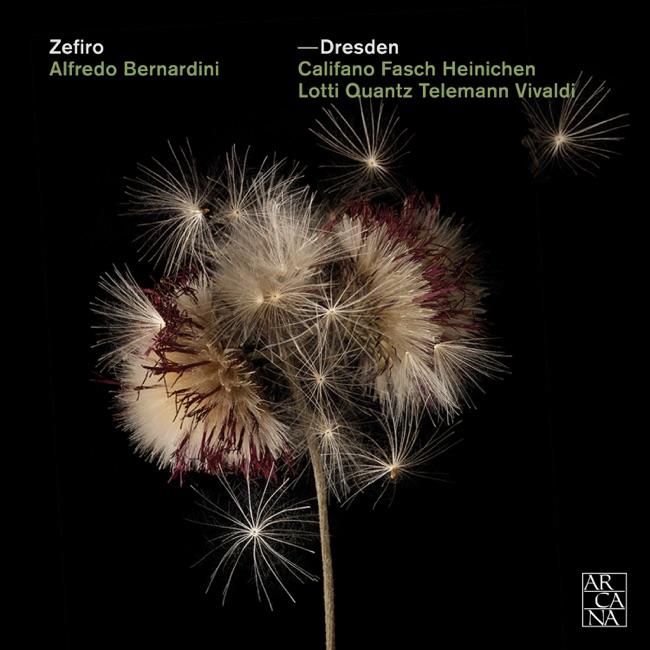
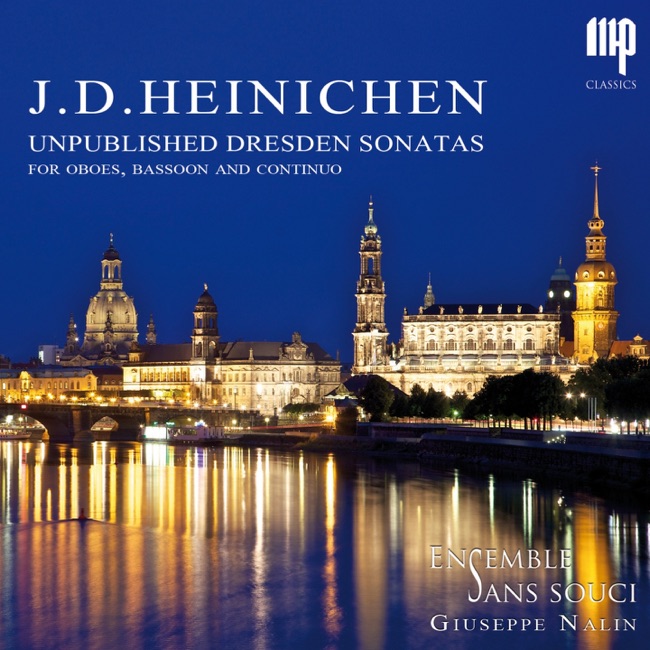
Works Info
Composer:Johann David HeinichenGenre:ChamberAverage_duration:10:15Movement_count:4Movement ....Johann David Heinichen's Trio Sonata for 2 oboes, bassoon & continuo in B flat major, Seibel 257, was composed in the early 18th century. The exact date of composition is unknown, but it is believed to have been written between 1710 and 1720. The piece was premiered in Dresden, Germany, where Heinichen was employed as the court composer for the Elector of Saxony. The Trio Sonata is divided into four movements: Allegro, Largo, Allegro, and Presto. The first movement, Allegro, is characterized by its lively and energetic tempo, with the two oboes and bassoon playing in unison and trading off melodic lines. The second movement, Largo, is a slow and expressive piece, with the oboes and bassoon playing in a more contrapuntal style. The third movement, Allegro, returns to the lively and energetic tempo of the first movement, with the oboes and bassoon once again trading off melodic lines. The final movement, Presto, is a fast and virtuosic piece, with the oboes and bassoon playing in a more complex and intricate style. The Trio Sonata is notable for its use of counterpoint, with the oboes and bassoon playing off of each other in a complex and intricate manner. The piece also features a strong sense of rhythm and melody, with the oboes and bassoon playing in a highly coordinated and synchronized manner. Overall, the Trio Sonata is a masterful example of Baroque chamber music, showcasing Heinichen's skill as a composer and his ability to create complex and intricate works that are both beautiful and engaging.More....
Works Music
Released Music