Ludwig van Beethoven
Bagatelle for piano in E flat major, Op. 126/3
Released Album
Recent Album
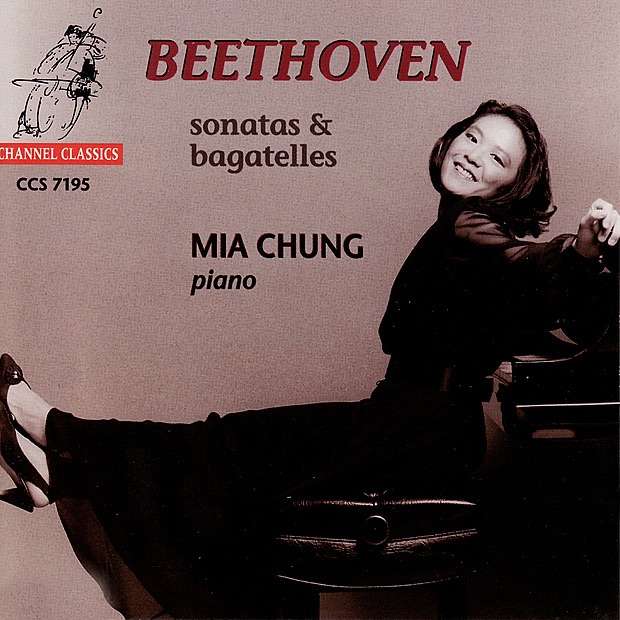
Featured Album
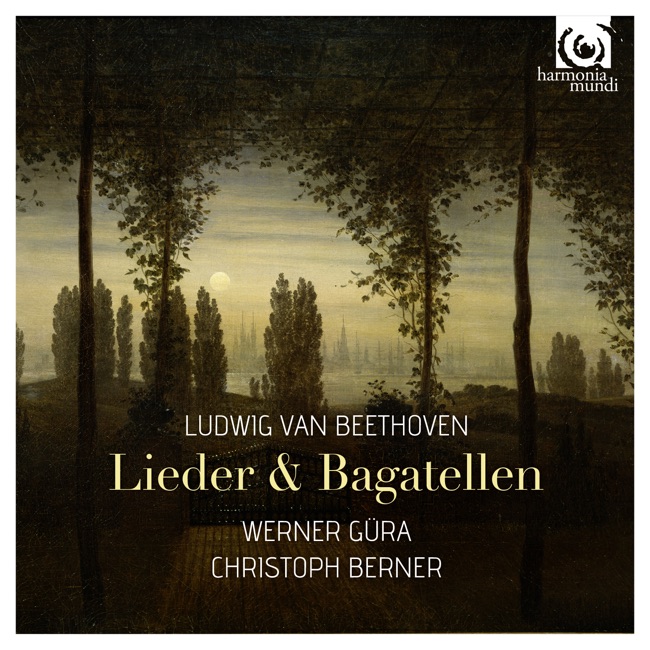
Works Info
Composer:Ludwig van BeethovenGenre:KeyboardStyle:BagatelleCompose Date:1823Average_duration:2:41Ludwig van Beethoven composed his Bagatelle for piano in E flat major, Op. 126/3 in 1824, during the last years of his life. The piece is part of a set of six bagatelles, which were published posthumously in 1834. The Bagatelle in E flat major is the third and most well-known of the set. The Bagatelle in E flat major is a short, light-hearted piece that is characterized by its playful and whimsical nature. It is written in a simple ABA form, with the A section featuring a lively and energetic melody that is contrasted by a more subdued and introspective B section. The piece is marked by Beethoven's signature use of dynamic contrasts, with sudden shifts in volume and intensity that add to the overall sense of playfulness and spontaneity. One of the most notable features of the Bagatelle in E flat major is its use of syncopation, which gives the piece a lively and rhythmic feel. The syncopated rhythms are particularly prominent in the A section, where they are used to create a sense of forward momentum and drive. The B section, by contrast, is more lyrical and introspective, with a slower tempo and a more contemplative mood. The Bagatelle in E flat major was premiered in Vienna in 1824, and quickly became one of Beethoven's most popular works. Its light-hearted and playful nature made it a favorite among audiences, and it has since become a staple of the piano repertoire. Today, it is often performed as a standalone piece, as well as part of the larger set of bagatelles. Overall, the Bagatelle in E flat major is a charming and delightful piece that showcases Beethoven's skill as a composer. Its playful melodies, rhythmic energy, and dynamic contrasts make it a joy to listen to, and it remains a beloved work of classical music to this day.More....
Works Music
Released Music
Featured Music