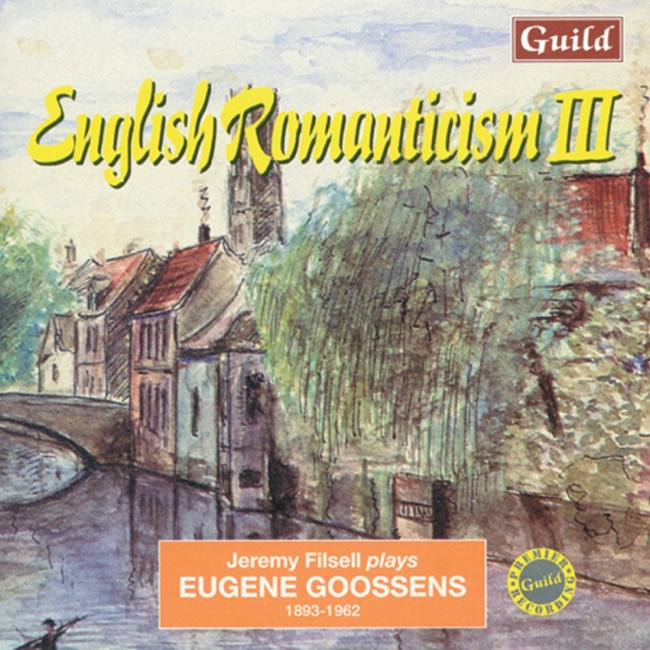
Eugene Goossens
Kaleidescope, Op. 18
Released Album
Recent Album
Featured Album
Works Info
Composer:Eugene GoossensGenre:KeyboardStyle:KeyboardCompose Date:1917Average_duration:14:09Movement_count:12Movement ...."Kaleidoscope, Op. 18" is a composition for orchestra by the Australian composer and conductor Eugene Goossens. It was composed in 1915 and premiered on 22 February 1916 in London, England, conducted by the composer himself. The piece is divided into four movements, each with its own distinct character and mood. The first movement, marked "Allegro moderato," is a lively and energetic opening that sets the tone for the rest of the work. The second movement, "Andante," is a slower and more contemplative section that features a beautiful melody played by the strings. The third movement, "Scherzo," is a playful and whimsical section that showcases the composer's skill at writing for the orchestra. The final movement, "Finale," is a triumphant and celebratory conclusion that brings the work to a satisfying close. One of the most notable characteristics of "Kaleidoscope, Op. 18" is its use of color and texture. Goossens was known for his innovative orchestration techniques, and this piece is no exception. He uses a wide variety of instruments and timbres to create a rich and vibrant sound world that is both complex and accessible. Another characteristic of the piece is its use of rhythm. Goossens was influenced by the rhythms of jazz and other popular music of the time, and this is evident in the syncopated rhythms and lively dance-like sections of the work. Overall, "Kaleidoscope, Op. 18" is a masterful example of orchestral composition that showcases Goossens' skill as a composer and conductor. Its colorful and vibrant sound world, innovative orchestration, and lively rhythms make it a joy to listen to and a testament to the enduring power of orchestral music.More....
Works Music
Released Music
Featured Music