


Franz Liszt
Es muss ein Wunderbares sein, S. 314
Released Album
Recent Album


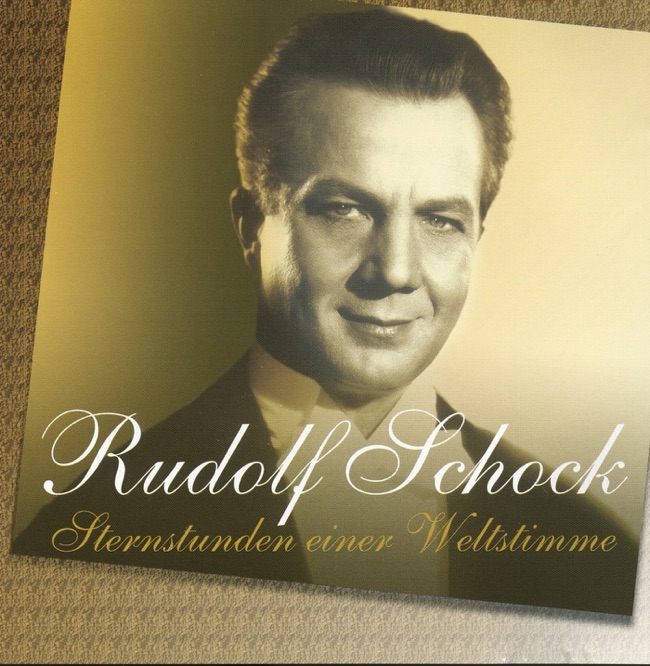
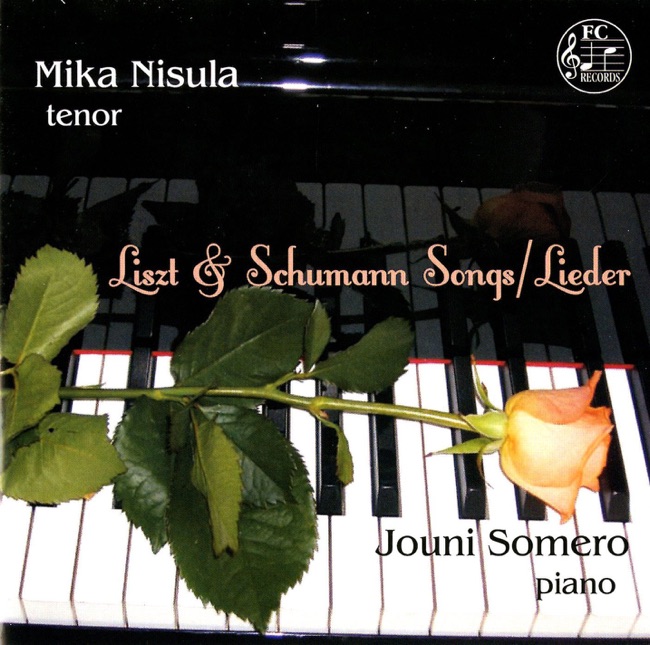
Featured Album

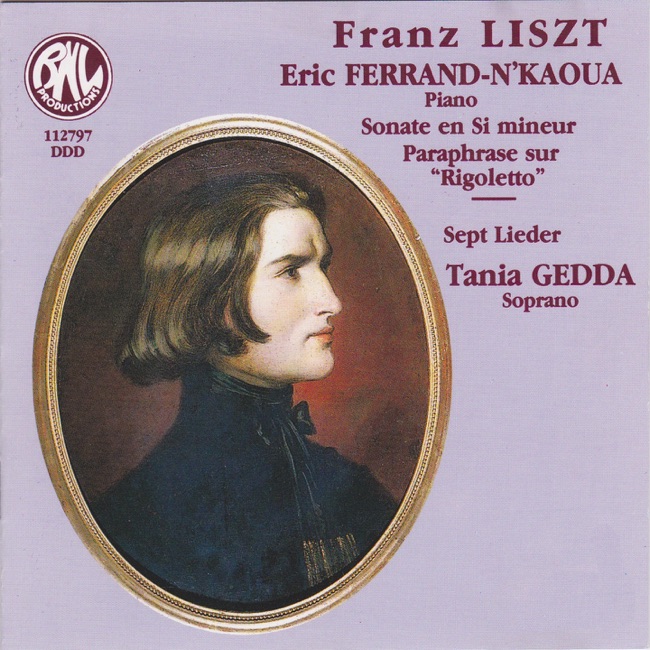
Works Info
Composer:Franz LisztGenre:VocalStyle:SongCompose Date:1852Publication Date:1859Average_duration:2:11"Es muss ein Wunderbares sein, S. 314" is a song composed by Franz Liszt in 1859. It was premiered in Weimar on October 22, 1859, with the composer himself at the piano and the tenor Julius Stockhausen as the vocalist. The song is part of a collection of six songs titled "Sechs Lieder von Franz Liszt" (Six Songs by Franz Liszt). The song is divided into three movements, each with its own distinct characteristics. The first movement is marked "Andante con moto" and is in the key of E-flat major. It begins with a gentle piano introduction, followed by the entrance of the vocalist. The melody is simple and lyrical, with a flowing accompaniment that supports the vocal line. The first movement sets the tone for the entire song, with its dreamy and romantic atmosphere. The second movement is marked "Allegro vivace" and is in the key of C minor. It is a more dramatic and intense section of the song, with a faster tempo and a more complex piano accompaniment. The vocal line is more virtuosic, with a wider range and more intricate melodic lines. The second movement provides a contrast to the first, adding a sense of urgency and passion to the overall mood of the song. The final movement is marked "Andante sostenuto" and is in the key of E-flat major. It returns to the gentle and dreamy atmosphere of the first movement, with a simple and beautiful melody that is sung by the vocalist. The piano accompaniment is sparse, allowing the vocal line to shine through. The final movement brings the song to a peaceful and serene conclusion, leaving the listener with a sense of contentment and tranquility. Overall, "Es muss ein Wunderbares sein, S. 314" is a beautiful and romantic song that showcases Liszt's skill as a composer. The three movements provide a variety of moods and emotions, from dreamy and romantic to intense and passionate, before returning to a peaceful and serene conclusion. The song is a testament to Liszt's ability to create music that is both technically impressive and emotionally moving.More....
Works Music
Released Music
4
4:14


Featured Music
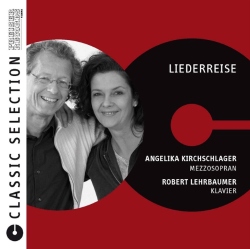


Main Perform Artists
Piano
Baritone
Tenor (Vocal)
Piano
Tenor Vocal
Mezzo-Soprano Vocal
Piano
Soprano Vocal
Vocals
Tenor Vocal
Piano