


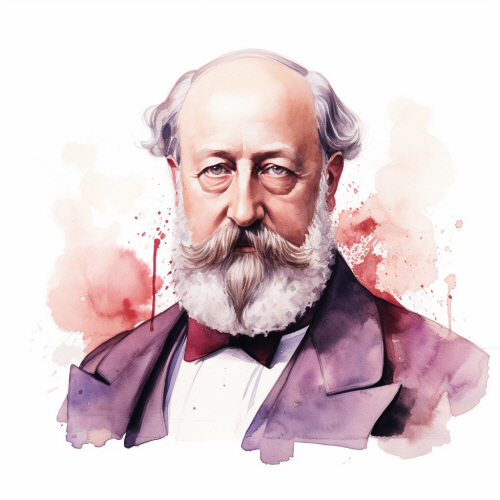
Camille Saint-Saëns
Sonata for clarinet & piano in E flat major, Op. 167
Released Album
Recent Album
-
-
-
-
-
-
 Stefan SlavchevJanuary 28, 2022
 -
-
-
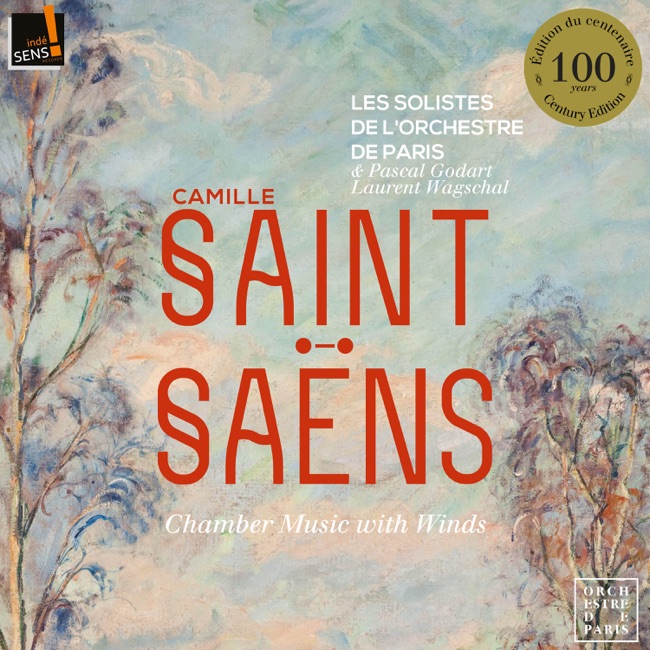
-
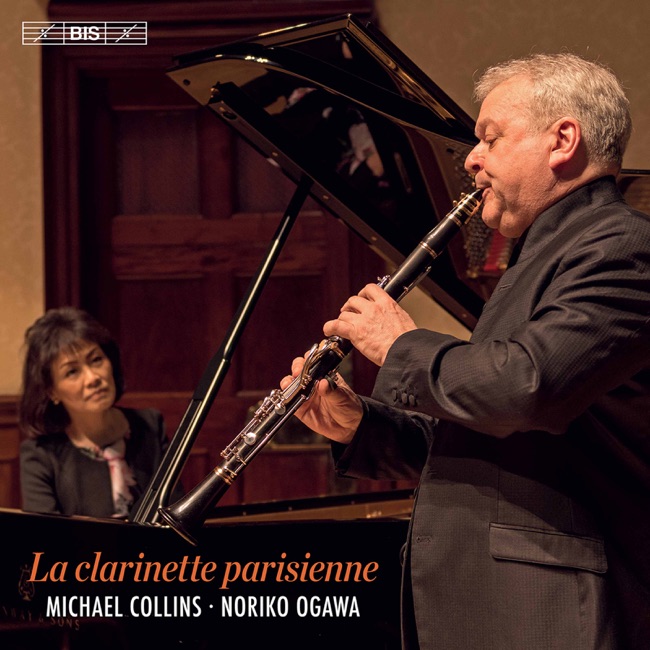
-
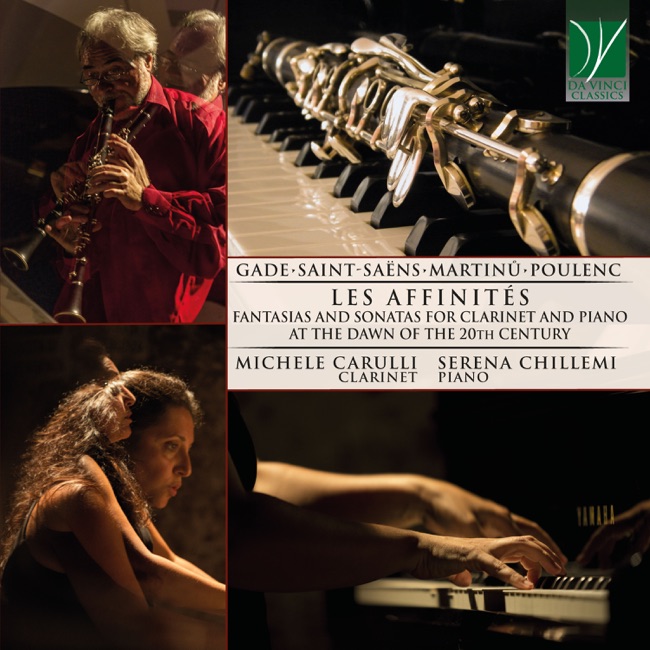
-
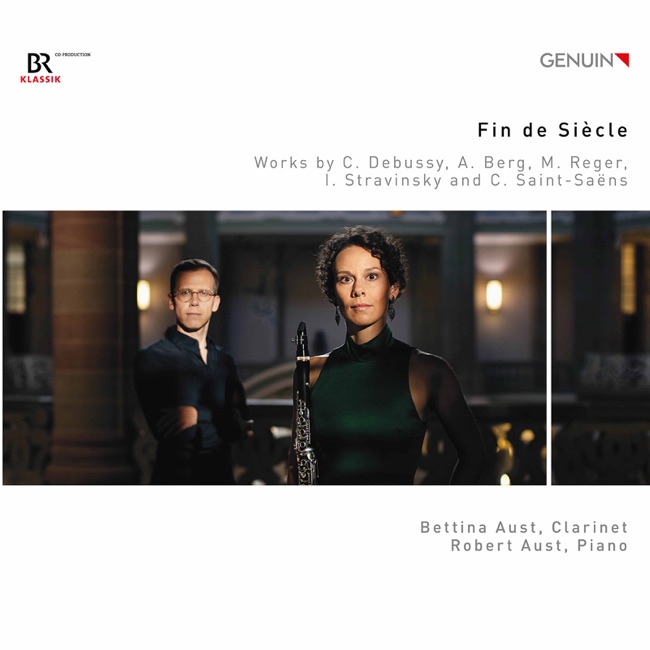
Featured Album
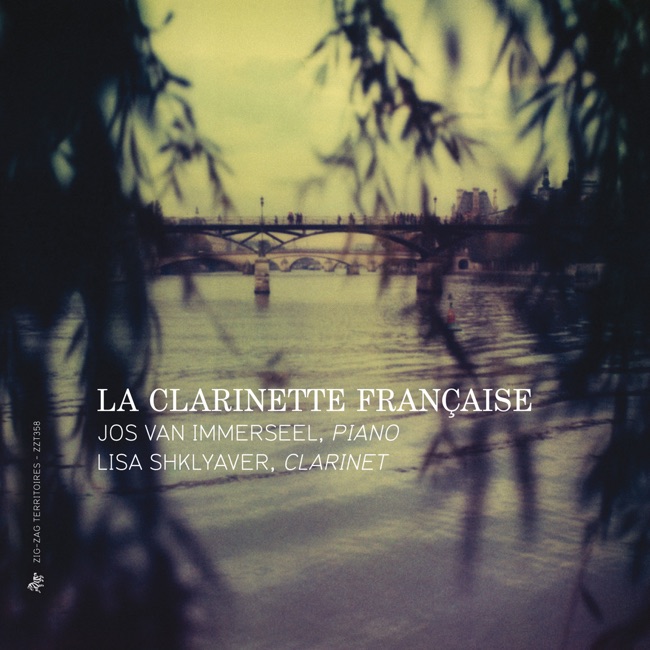
Works Info
Composer:Camille Saint-SaënsGenre:ChamberStyle:SonataCompose Date:1921Average_duration:16:20Movement_count:4Movement ....The 'Sonata for clarinet & piano in E flat major, Op. 167' is a chamber music piece composed by the French composer Camille Saint-Saëns. It was composed in 1921, during the last years of the composer's life, and premiered on January 15, 1922, in Paris, with the composer himself playing the piano and Léon Lefèvre playing the clarinet. The sonata is divided into three movements, each with its own distinct character and mood. The first movement, marked Allegretto, is in sonata form and opens with a lyrical clarinet melody that is soon joined by the piano. The two instruments engage in a playful dialogue, with the clarinet taking on a more virtuosic role in the development section. The movement ends with a brief recapitulation of the opening theme. The second movement, marked Allegro animato, is a scherzo in all but name. It is a lively and energetic movement, with the clarinet and piano trading off rapid-fire runs and arpeggios. The middle section of the movement is more subdued, with the clarinet playing a more lyrical melody over a gently pulsing piano accompaniment. The movement ends with a return to the frenetic energy of the opening. The final movement, marked Molto allegro, is a rondo that brings the sonata to a thrilling conclusion. The clarinet and piano engage in a lively and virtuosic dialogue, with the clarinet taking on a more prominent role in the solo passages. The movement features a number of memorable themes, including a playful melody in the middle section that is passed back and forth between the two instruments. The sonata ends with a triumphant flourish. Overall, the 'Sonata for clarinet & piano in E flat major, Op. 167' is a masterful example of Saint-Saëns' late style. It showcases the composer's gift for melody and his skill at writing for both the clarinet and the piano. The sonata is notable for its technical demands on both performers, particularly in the virtuosic passages of the second and third movements. It remains a popular and frequently performed work in the clarinet repertoire.More....
Works Music
Released Music
1
4:54
2
4:37
3
4:8
4
4:36
5
4:16

7

4:58
8
4:45
9
4:1
10
4:20
Featured Music
1
4:18
3
4:24
Recommend Playlist




Main Perform Artists
Clarinet
Clarinet
Piano
Piano
Piano
Clarinet
Clarinet