


Diego Ortiz
Recercadas (4) on Arcadelt's "O felici occhi miei"
Released Album
Recent Album



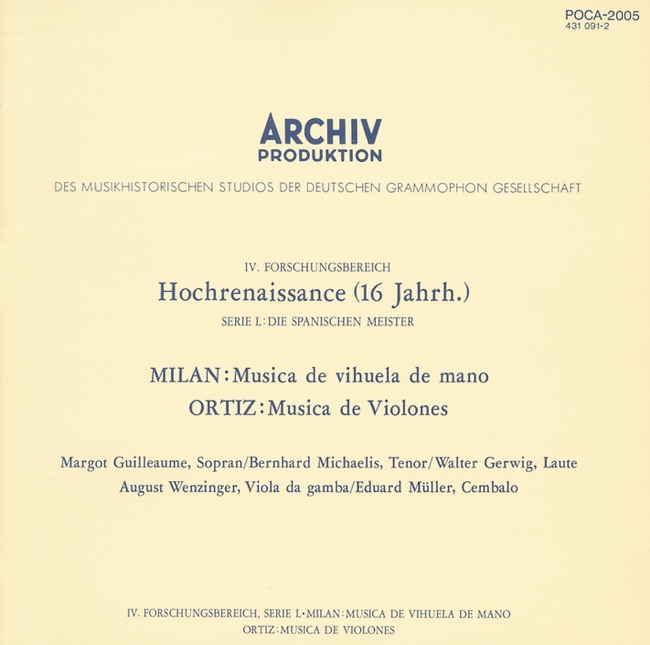
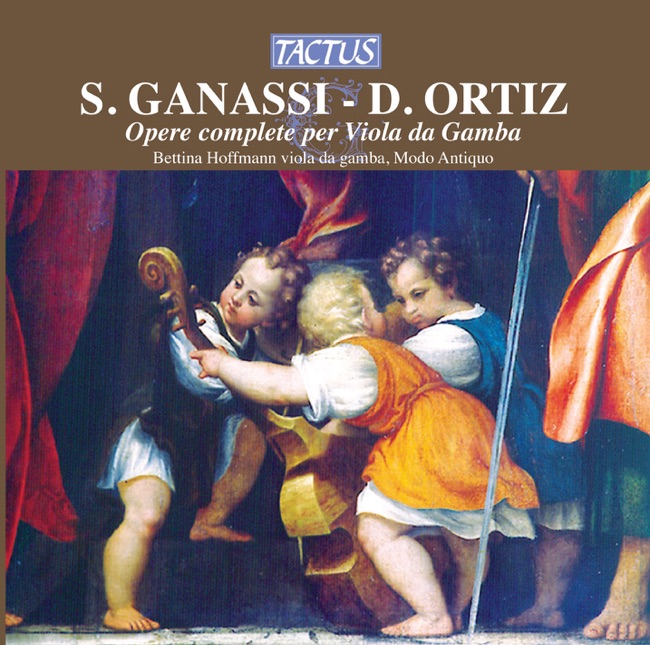



Featured Album

Works Info
Composer:Diego OrtizGenre:ChamberStyle:RicercarAverage_duration:5:06Movement_count:4Movement ....Diego Ortiz's "Recercadas (4) on Arcadelt's O felici occhi miei" is a set of four instrumental pieces for viola da gamba or other bass instruments. The pieces were composed in the late 16th century and were first published in Rome in 1553. The premiere of the pieces is not known, but they were likely performed in courtly and aristocratic circles in Spain and Italy. The four movements of the "Recercadas" are based on the popular madrigal "O felici occhi miei" by Jacques Arcadelt. Each movement explores different aspects of the melody and harmony of the original madrigal, using a variety of contrapuntal techniques and ornamentation. The first movement is a simple and straightforward setting of the melody, while the second movement features more complex counterpoint and ornamentation. The third movement is a slower and more contemplative setting, while the fourth movement is a lively and virtuosic finale. One of the characteristics of the "Recercadas" is their use of diminution, a technique in which the original melody is embellished with faster and more intricate notes. This technique was popular in Renaissance music and was used to showcase the virtuosity of the performer. Ortiz's use of diminution in the "Recercadas" is particularly notable, as he uses it to create complex and intricate textures that are both musically interesting and technically challenging. Another characteristic of the "Recercadas" is their use of chromaticism, a technique in which notes outside of the diatonic scale are used to create tension and dissonance. Ortiz's use of chromaticism in the "Recercadas" is particularly effective, as it adds a sense of drama and intensity to the music. Overall, Diego Ortiz's "Recercadas (4) on Arcadelt's O felici occhi miei" is a masterful set of instrumental pieces that showcase the composer's skill in counterpoint, ornamentation, and virtuosity. The pieces are a testament to the rich musical culture of the Renaissance and continue to be performed and studied by musicians and scholars today.More....
Works Music
Released Music


3

1:55
4
Recercadas (4) on Arcadelt's "O happy my eyes"
Un Madrigal a 4 "O felici occhi miei" con 2 Recercadas sobre el mesmo madrigal
5:29
5

1:42
6

2:39
7

1:45

Featured Music
1

1:48
2
1:50
3
1:56
4
1:56