


Jean Sibelius
Partsongs (9), Op. 18
Released Album
Recent Album
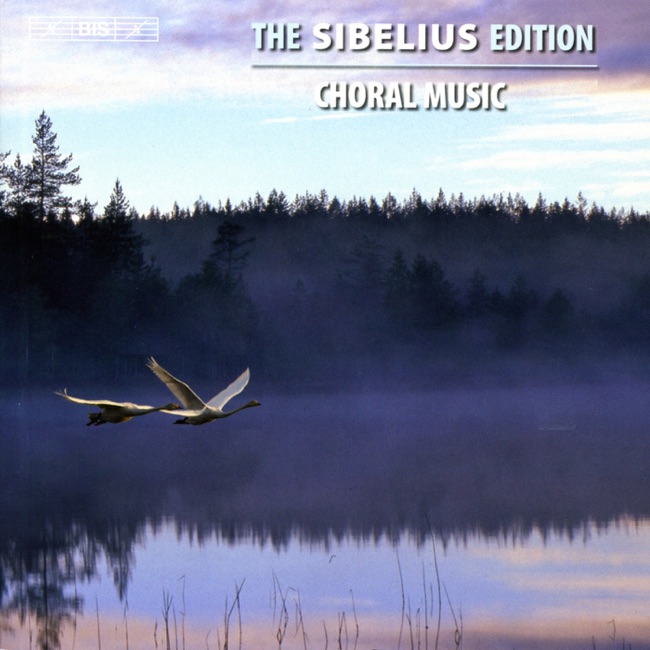

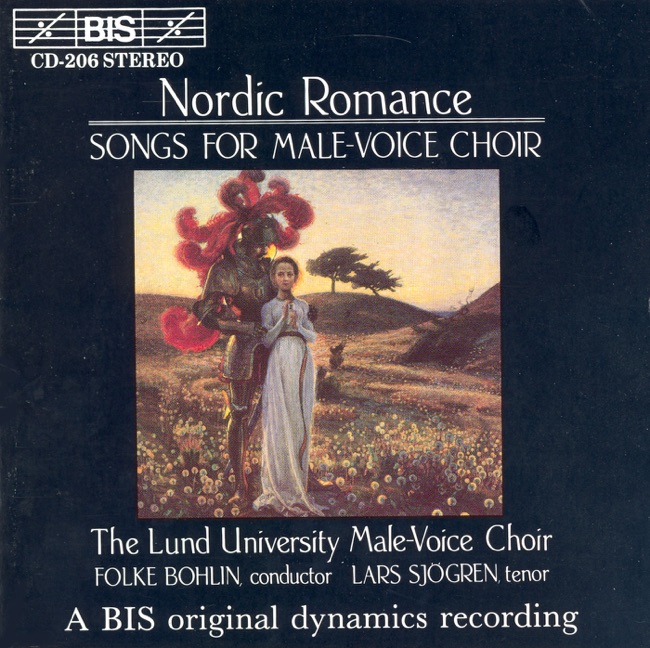
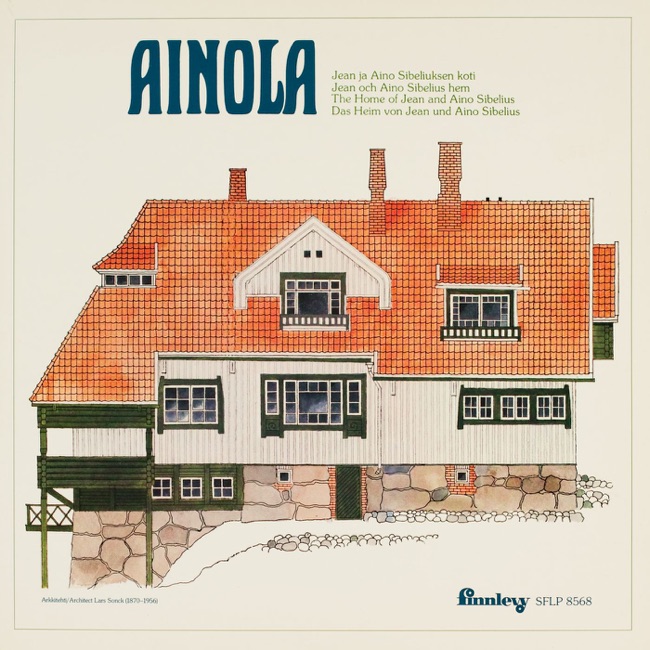
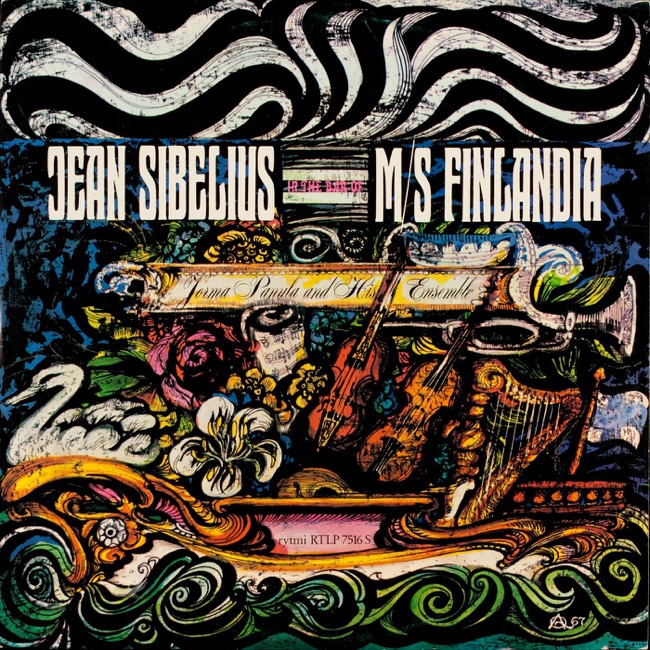
Featured Album
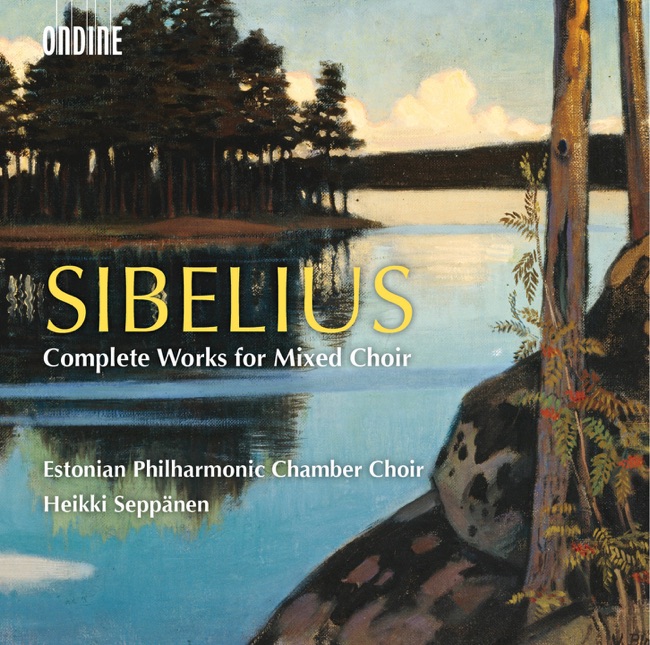
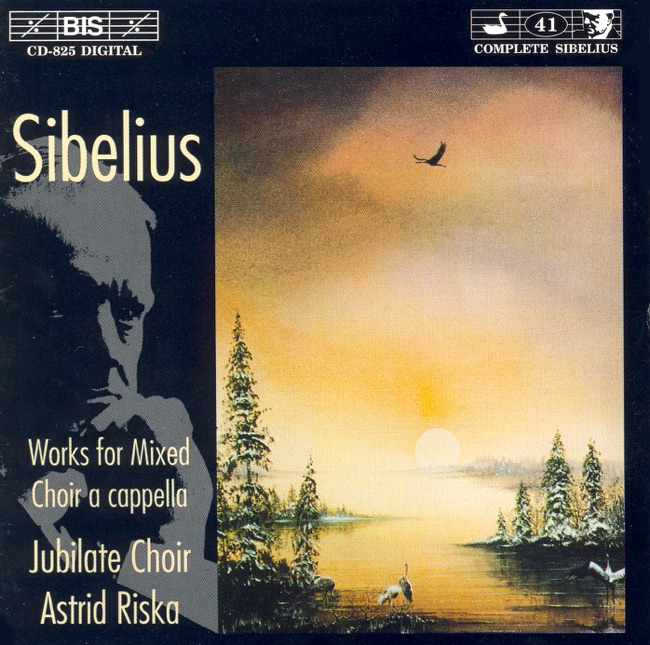
Works Info
Composer:Jean SibeliusGenre:ChoralStyle:ChoralCompose Date:1893 - 1904Movement_count:9Movement ....Jean Sibelius' 'Partsongs (9), Op. 18' is a collection of choral works composed in 1892. The premiere of the work took place in Helsinki in the same year. The collection consists of nine movements, each with its own unique characteristics. The first movement, 'Rakastava' (The Lover), is a setting of a Finnish text about unrequited love. It is a slow and melancholic piece, with a simple and repetitive melody that creates a sense of longing and sadness. The second movement, 'Venematka' (The Boat Journey), is a lively and rhythmic piece that depicts a boat journey on a Finnish lake. The music is full of energy and movement, with a driving rhythm and lively melodies. The third movement, 'Saarella Palaa' (Fire on the Island), is a dramatic and intense piece that tells the story of a fire on a Finnish island. The music is full of tension and urgency, with dissonant harmonies and a sense of impending danger. The fourth movement, 'Rakastava' (The Lover), is a reprise of the first movement, but with a different arrangement and instrumentation. It is a more upbeat and optimistic version of the original, with a brighter and more hopeful melody. The fifth movement, 'Herran Jaakobin Jouluvirsi' (The Christmas Hymn of Lord Jacob), is a traditional Finnish Christmas hymn. Sibelius' arrangement is simple and understated, with a gentle and peaceful melody that captures the spirit of the holiday season. The sixth movement, 'Soi Kunniaksi Luojan' (Praise to the Creator), is a hymn of praise to God. The music is grand and majestic, with soaring melodies and rich harmonies that evoke a sense of awe and reverence. The seventh movement, 'En Etsi Valtaa Loistoa' (I Seek No Power or Glory), is a setting of a poem by J.L. Runeberg. The music is simple and understated, with a gentle and introspective melody that reflects the poem's themes of humility and selflessness. The eighth movement, 'Finlandia-hymni' (Finlandia Hymn), is perhaps Sibelius' most famous work. It is a patriotic hymn that has become a symbol of Finnish national identity. The music is grand and majestic, with a soaring melody and rich harmonies that evoke a sense of pride and patriotism. The final movement, 'Juhlamarssi' (Festive March), is a lively and celebratory piece that brings the collection to a rousing conclusion. The music is full of energy and excitement, with a driving rhythm and lively melodies that capture the spirit of a festive occasion. Overall, Sibelius' 'Partsongs (9), Op. 18' is a diverse and engaging collection of choral works that showcases the composer's versatility and skill. From the melancholic beauty of 'Rakastava' to the grandeur of 'Finlandia Hymn', each movement offers a unique and memorable musical experience.More....
Works Music
Released Music
Featured Music
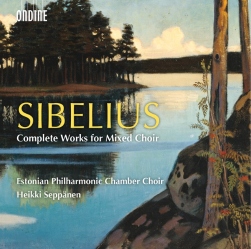
Main Perform Artists
Choir/Chorus
Choir/Chorus