Heinrich Schütz
Giunto è pur, Lidia, SWV 18 (Op. 1/18)
Released Album
Recent Album
Works Info
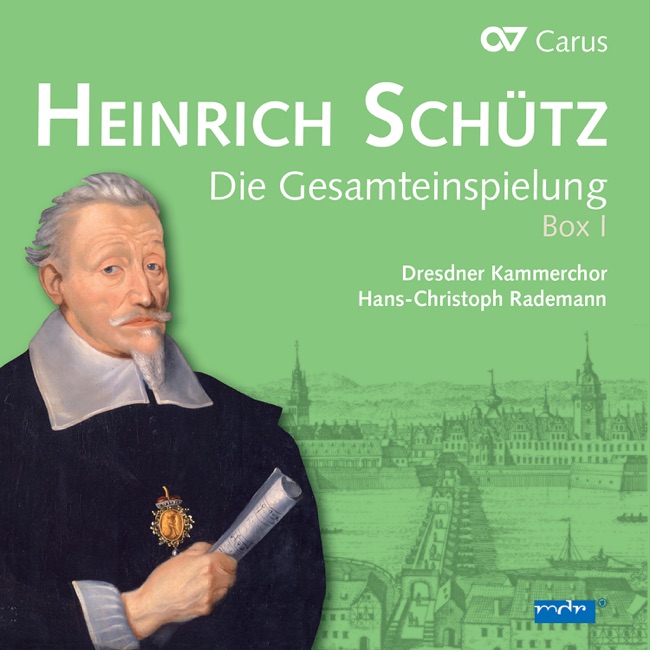
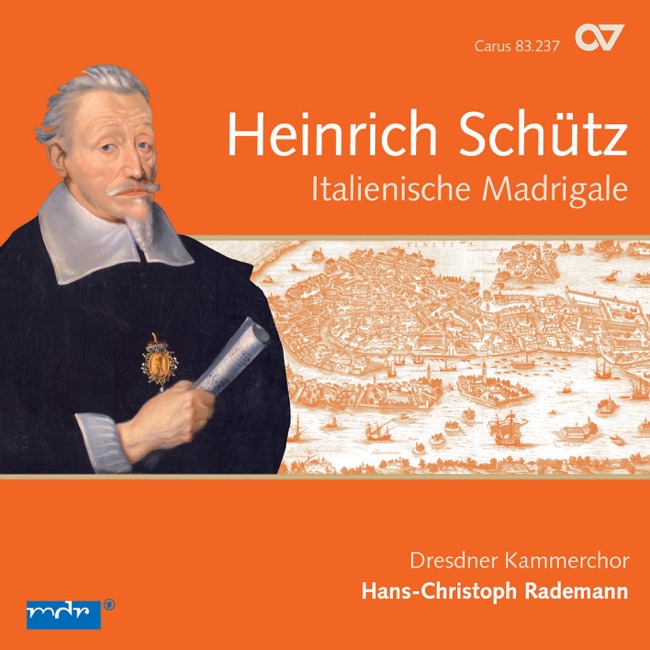
Composer:Heinrich SchützGenre:VocalStyle:MadrigalPublication Date:1611Average_duration:2:24Giunto è pur, Lidia, SWV 18 (Op. 1/18) is a vocal work composed by Heinrich Schütz, a German composer of the Baroque era. The piece was composed in 1611 and premiered in the same year. It is a madrigal, a type of secular vocal music that was popular in the Renaissance and Baroque periods. The piece is divided into three movements, each with its own distinct character. The first movement is slow and expressive, with a melancholy tone. The second movement is faster and more lively, with a dance-like rhythm. The third movement is slower and more contemplative, with a sense of resignation. The text of the piece is taken from a poem by the Italian poet Torquato Tasso. It tells the story of a shepherdess named Lidia who is waiting for her lover to return. The first movement describes her sadness and longing, the second movement her joy at his return, and the third movement her acceptance of his departure. Schütz's music is characterized by its expressive power and emotional depth. He was a master of the Baroque style, which emphasized the use of harmony and counterpoint to create complex and richly textured music. In Giunto è pur, Lidia, he uses these techniques to great effect, creating a work that is both beautiful and deeply moving. Overall, Giunto è pur, Lidia, SWV 18 (Op. 1/18) is a masterpiece of Baroque vocal music. Its combination of expressive power, emotional depth, and technical skill make it a work of enduring beauty and significance.More....
Works Music
Released Music