Heinrich Ignaz Franz von Biber
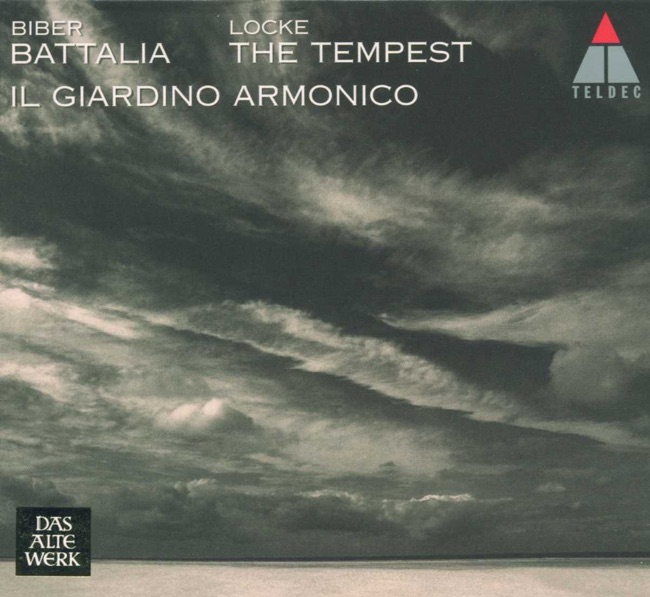
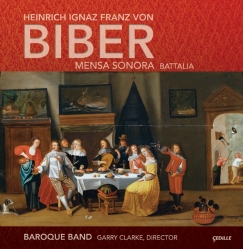
Battalia in D major, C. 61
Released Album
Recent Album
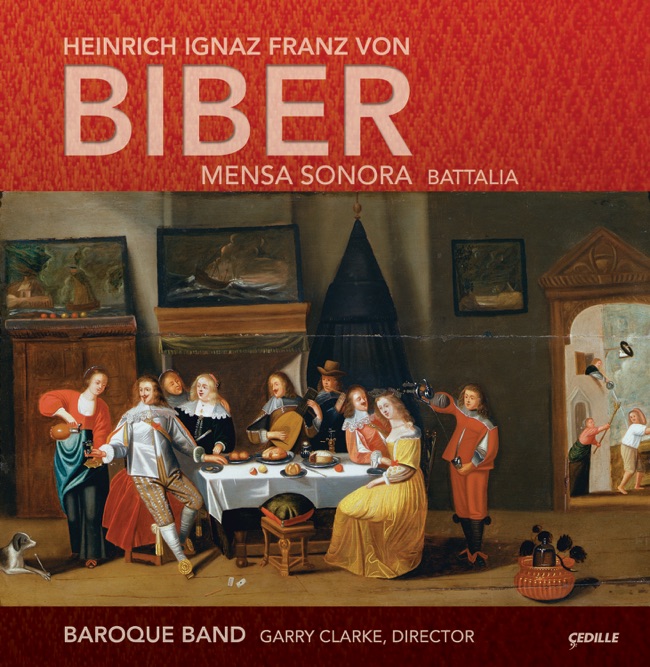
Featured Album

Works Info
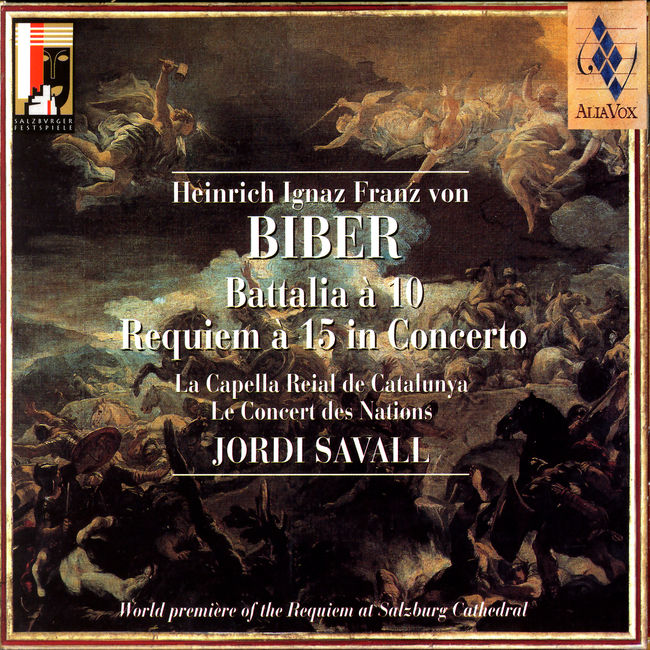
Composer:Heinrich Ignaz Franz von BiberGenre:ChamberStyle:Character PieceCompose Date:1673Average_duration:8:57Movement_count:8Movement ....Heinrich Ignaz Franz von Biber's Battalia in D major, C. 61 is a unique and innovative work that was composed in the mid-17th century. The piece was premiered in 1673 and is considered one of Biber's most famous compositions. The Battalia in D major is a programmatic work that depicts the chaos and violence of a battle. The piece is divided into ten movements, each of which has its own unique character and style. The first movement, titled "Sonata," is a slow and solemn introduction that sets the tone for the rest of the piece. The second movement, "Die liederliche Gesellschaft von allerley Humor," is a lively and humorous depiction of a drunken party. The third movement, "Die Schlacht," is the centerpiece of the work and depicts the sounds of battle, including the clashing of swords and the firing of muskets. The fourth movement, "Lamento der Verwundten," is a mournful and melancholic piece that represents the wounded soldiers on the battlefield. The fifth movement, "Die betrunkenen Musketiere," is a comical and lighthearted depiction of drunken soldiers stumbling around the battlefield. The sixth movement, "Die Schlacht (reprise)," is a repeat of the third movement, but with added dissonance and chaos. The seventh movement, "Presto," is a fast and frenzied piece that represents the chaos and confusion of battle. The eighth movement, "Adagio," is a slow and mournful piece that represents the aftermath of the battle. The ninth movement, "Aria," is a beautiful and serene piece that represents the hope for peace and reconciliation. The final movement, "Der Mars," is a triumphant and celebratory piece that represents the victorious soldiers marching off the battlefield. The Battalia in D major is a groundbreaking work that features many innovative techniques, including the use of dissonance, unconventional harmonies, and programmatic elements. The piece is also notable for its use of unconventional instruments, including a viola da gamba played upside down and a percussion section that includes a whip and a rattle. Overall, the Battalia in D major is a powerful and evocative work that showcases Biber's unique style and innovative approach to composition. Its depiction of the chaos and violence of battle is both haunting and mesmerizing, and its use of unconventional techniques and instruments make it a true masterpiece of Baroque music.More....
Works Music
Released Music
1
9:58
10

1:4
Featured Music
2
Battalion in D major, C. 61
II. Die liederliche Gesellschaft von allerley Humor. Allegro (The dissolute company of all types of humour)
47
4
Battalion in D major, C. 61
VIII. Lamento der Verwundten Musquetirer. Adagio (The lament of the wounded musketeers)
1:34