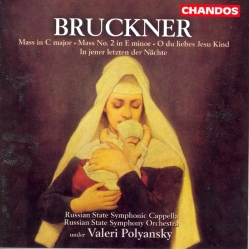
Anton Bruckner
Mass in C major "Windhaager Messe", WAB 25
Released Album
Recent Album
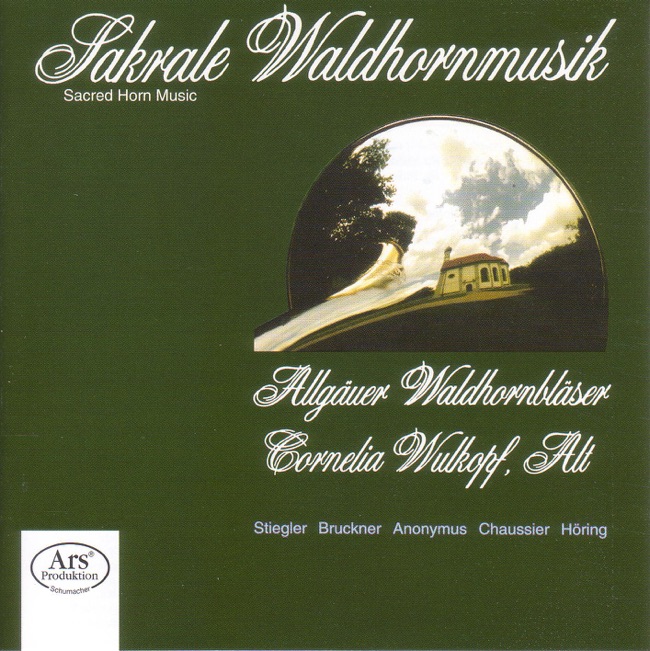
Featured Album
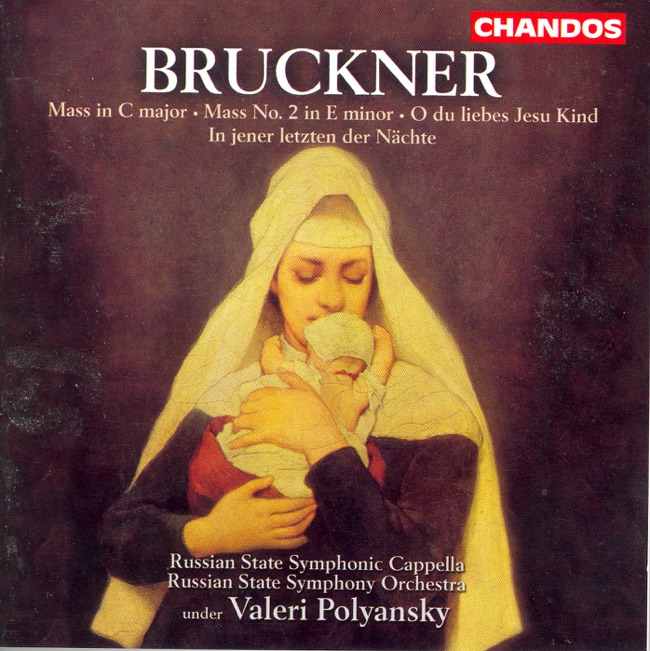
Works Info
Composer:Anton BrucknerGenre:VocalStyle:MassCompose Date:ca. 1842Average_duration:11:00Anton Bruckner's Mass in C major, also known as the Windhaager Messe, was composed in 1866 and premiered on September 2 of the same year in the town of Windhaag, Austria. The mass is scored for four-part mixed choir, four soloists, and a wind ensemble consisting of two flutes, two oboes, two clarinets, two bassoons, four horns, two trumpets, three trombones, and timpani. The Windhaager Messe is divided into six movements: Kyrie, Gloria, Credo, Sanctus, Benedictus, and Agnus Dei. The mass is characterized by its use of wind instruments, which Bruckner believed gave the music a more solemn and majestic quality. The use of wind instruments also allowed Bruckner to create a unique sound world that was different from the traditional orchestral masses of the time. The Kyrie begins with a solemn choral introduction that is followed by a fugue-like section. The Gloria is a grand and celebratory movement that features a lively choral section and a triumphant brass fanfare. The Credo is the longest movement of the mass and is characterized by its use of complex counterpoint and rich harmonies. The Sanctus is a majestic movement that features a soaring soprano solo and a powerful choral section. The Benedictus is a more subdued movement that features a beautiful duet between the soprano and tenor soloists. The Agnus Dei is a somber and reflective movement that features a hauntingly beautiful choral section. Overall, the Windhaager Messe is a stunning example of Bruckner's mastery of choral and wind writing. The mass is characterized by its use of complex counterpoint, rich harmonies, and majestic wind fanfares. It is a testament to Bruckner's unique musical voice and his ability to create a sound world that was both innovative and deeply spiritual.More....
Works Music
Released Music
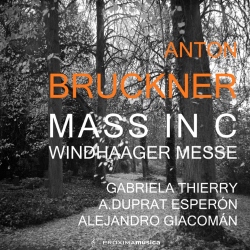
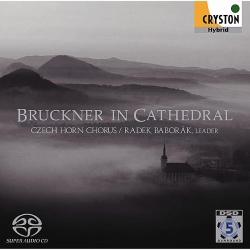
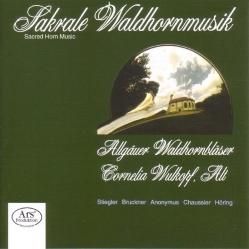
Featured Music