


Gabriel Fauré
Songs (3) for voice & piano, Op. 18
Released Album
Recent Album
-
-
-
-
-
-
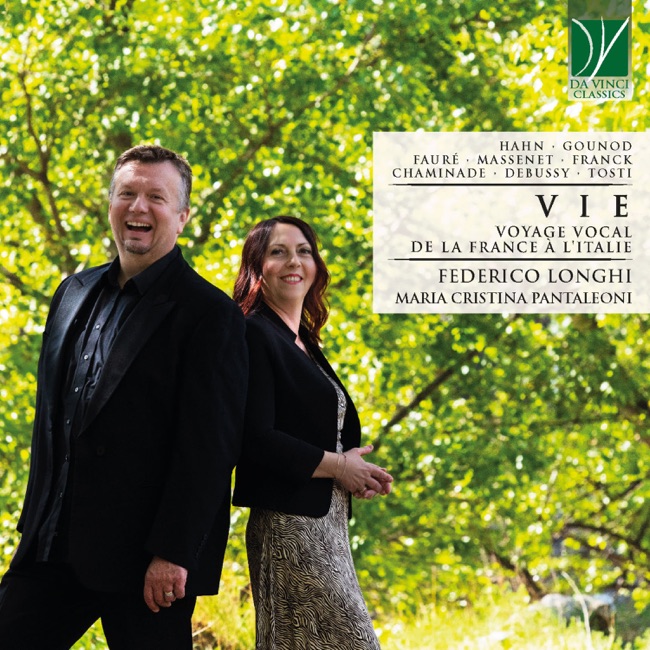 Maria Cristina PantaleoniSeptember 17, 2021
 -
-
-
-
-
 Various ArtistsSeptember 27, 2018
 -
Works Info
Composer:Gabriel FauréGenre:VocalStyle:SongCompose Date:1878Publication Date:1880Average_duration:6:28Movement_count:3Movement ....Gabriel Fauré's 'Songs (3) for voice & piano, Op. 18' is a collection of three art songs composed in 1878. The premiere of the work took place in Paris in the same year. The three movements of the work are titled 'Les berceaux' (The Cradles), 'Au cimetière' (At the Cemetery), and 'Clair de lune' (Moonlight). The first movement, 'Les berceaux', is a lullaby that tells the story of a mother rocking her child to sleep while thinking about her husband who is away at sea. The music is gentle and soothing, with a flowing piano accompaniment that mimics the rocking motion of the cradle. The vocal line is lyrical and expressive, with long phrases that convey the mother's love and longing for her husband. The second movement, 'Au cimetière', is a melancholy song that takes place in a cemetery. The text describes the speaker's visit to the grave of a loved one and the feelings of sadness and loss that accompany the experience. The music is somber and introspective, with a sparse piano accompaniment that creates a sense of emptiness and isolation. The vocal line is plaintive and mournful, with a range of dynamics and articulations that convey the speaker's emotional turmoil. The final movement, 'Clair de lune', is a romantic and dreamy song that celebrates the beauty of the moonlight. The text describes the speaker's enchantment with the moon and the way it illuminates the world around them. The music is ethereal and delicate, with a shimmering piano accompaniment that evokes the sparkling light of the moon. The vocal line is lyrical and expressive, with a range of dynamics and phrasing that convey the speaker's sense of wonder and awe. Overall, Fauré's 'Songs (3) for voice & piano, Op. 18' is a masterful collection of art songs that showcases the composer's skill in creating music that is both expressive and evocative. The three movements are distinct in character and mood, but they are united by Fauré's signature style, which is characterized by its lyricism, sensitivity, and emotional depth.More....
Works Music
Released Music
7
1:50

Main Perform Artists
Baritone Vocal
Piano
Baritone Vocal
Soprano Vocal
Vocals
Piano
Piano
Baritone (Vocal)