Heinrich Schütz
D'orrida selve alpina, SWV 6 (Op. 1/6)
Released Album
Recent Album
Works Info
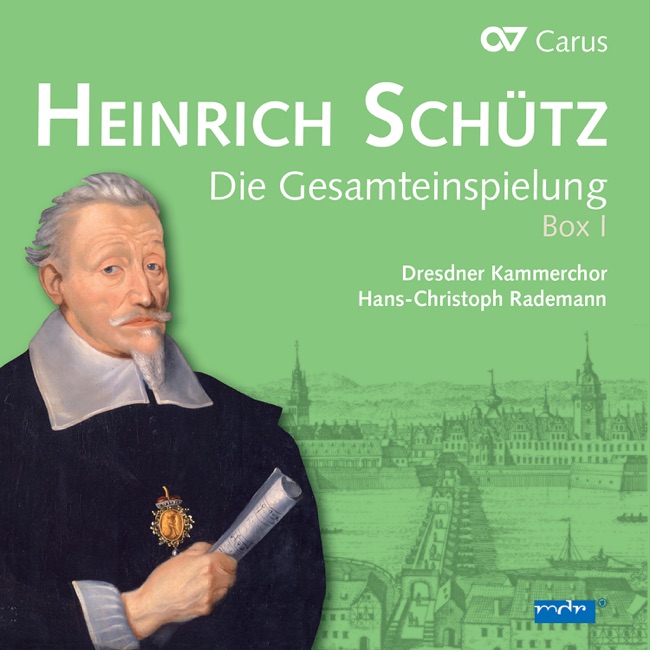
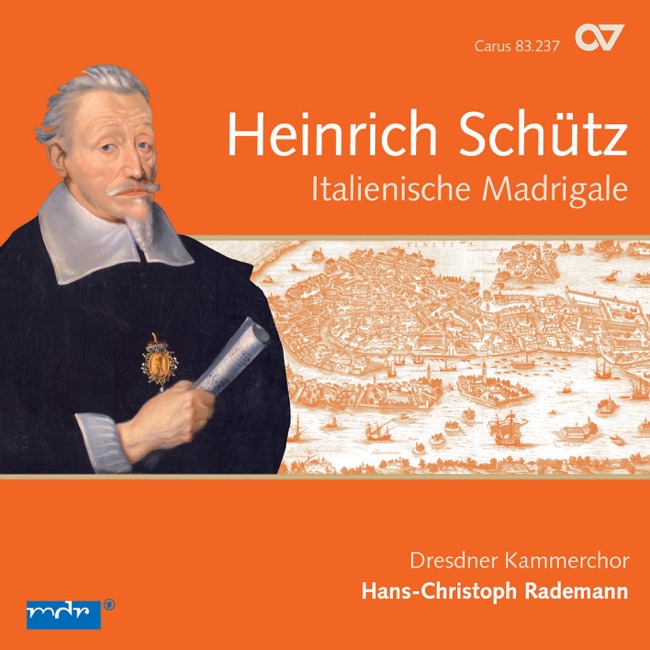
Composer:Heinrich SchützGenre:VocalStyle:MadrigalPublication Date:1611Average_duration:2:51D'orrida selve alpina, SWV 6 (Op. 1/6) is a vocal composition by Heinrich Schütz, a German composer of the Baroque era. The piece was composed in 1611, when Schütz was only 16 years old, and is considered one of his earliest works. It premiered in the same year in Venice, Italy, where Schütz was studying with Giovanni Gabrieli. The composition consists of three movements, each of which is written for five voices (two sopranos, alto, tenor, and bass). The text is in Italian and is taken from a poem by Torquato Tasso, a 16th-century Italian poet. The poem describes a group of shepherds who are lost in the mountains and are seeking shelter from a storm. The first movement, "D'orrida selve alpina," is a lively and energetic piece that sets the scene for the poem. The music is characterized by its use of imitative polyphony, in which the voices imitate each other's melodies. The second movement, "Ond'ei di morte," is a slower and more contemplative piece that reflects the shepherds' fear and desperation. The music is characterized by its use of dissonance and chromaticism, which create a sense of tension and unease. The final movement, "Ma qual nova," is a joyful and triumphant piece that reflects the shepherds' relief and gratitude at finding shelter. The music is characterized by its use of homophonic texture, in which all the voices sing the same melody at the same time. The piece ends with a lively and celebratory coda. Overall, D'orrida selve alpina, SWV 6 (Op. 1/6) is a masterful example of Schütz's early vocal writing. The piece showcases his skill in using different textures, harmonies, and melodies to convey the emotions and themes of the text. It also demonstrates his ability to write music that is both technically complex and emotionally expressive.More....
Works Music
Released Music