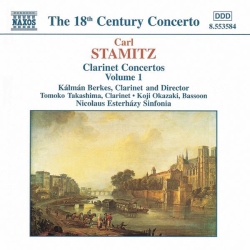
Carl Stamitz
Concerto for clarinet, bassoon & orchestra in B flat major
Released Album
Recent Album


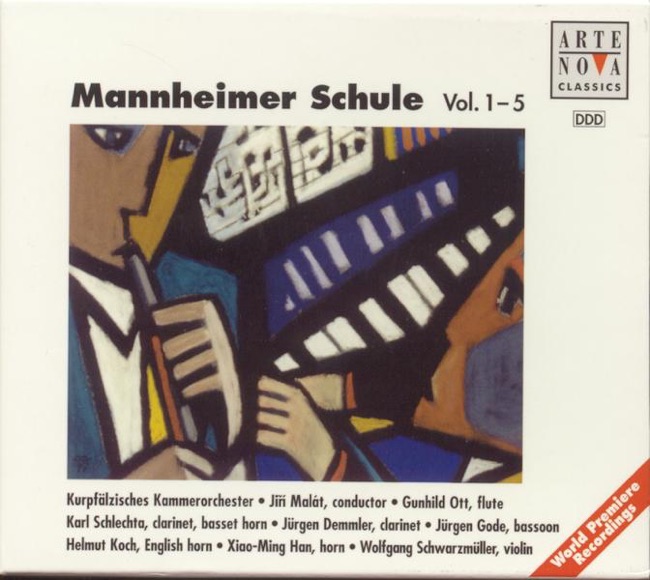
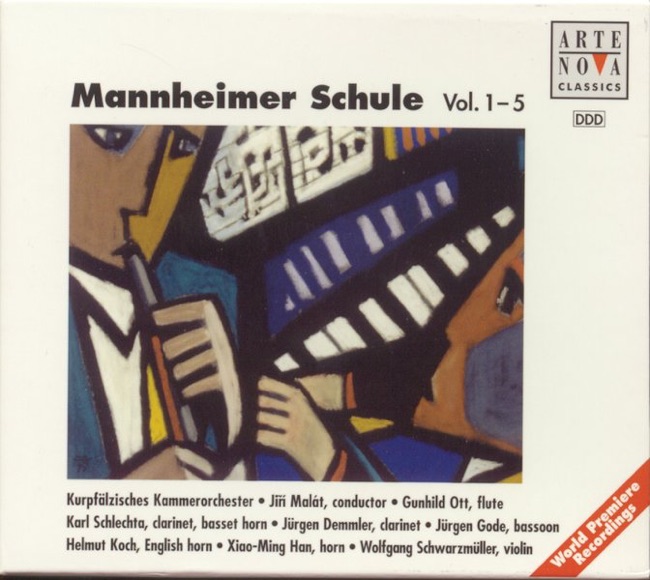
Works Info
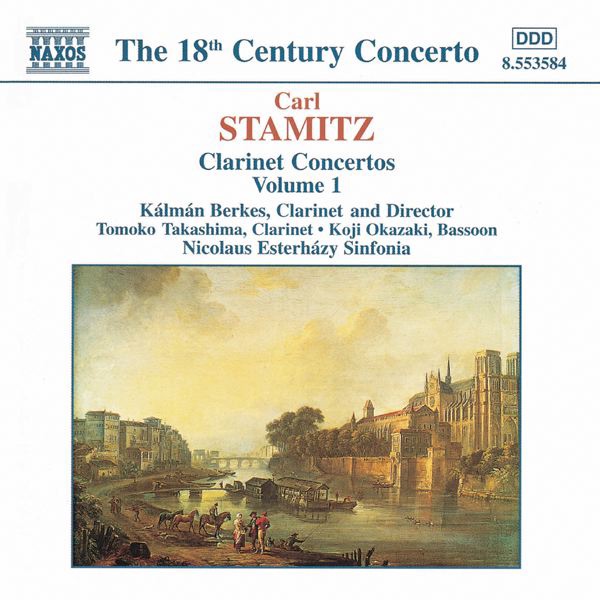
Composer:Carl StamitzGenre:ConcertoStyle:ConcertoAverage_duration:21:31Movement_count:3Movement ....The Concerto for clarinet, bassoon & orchestra in B flat major was composed by Carl Stamitz, a German composer and violinist, in the late 18th century. The exact date of composition is unknown, but it is believed to have been written around 1770. The concerto was premiered in Mannheim, Germany, where Stamitz was a member of the famous Mannheim Court Orchestra. The concerto consists of three movements: Allegro moderato, Adagio, and Rondo. The first movement, Allegro moderato, is in sonata form and features the solo clarinet and bassoon trading off melodic lines with the orchestra. The second movement, Adagio, is a slow and lyrical piece that showcases the expressive capabilities of the clarinet and bassoon. The final movement, Rondo, is a lively and energetic piece that features a recurring theme played by the soloists and the orchestra. The concerto is characterized by its elegant melodies, virtuosic solo passages, and balanced orchestration. Stamitz was known for his skillful use of the Mannheim style, which emphasized dynamic contrasts, sudden shifts in texture, and dramatic effects. These elements are evident in the concerto, particularly in the first movement, which features a dramatic opening and a sudden change in mood midway through. The Concerto for clarinet, bassoon & orchestra in B flat major is a significant work in the repertoire for these two instruments. It is a testament to Stamitz's skill as a composer and his ability to write music that is both technically demanding and musically satisfying. The concerto remains a popular choice for clarinet and bassoon players today, and its enduring popularity is a testament to its enduring appeal.More....
Works Music
Released Music