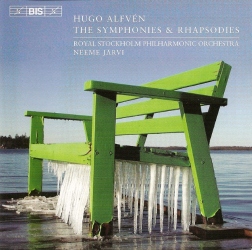
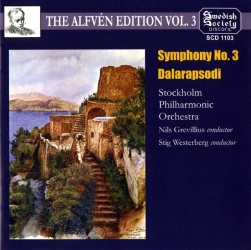
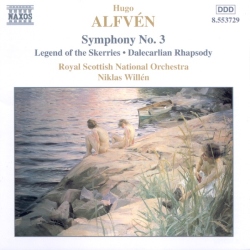
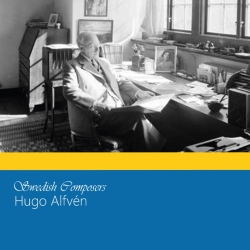
Hugo Alfvén
Symphony No. 3 in E major, Op. 23, R54
Released Album
Recent Album

Works Info
Composer:Hugo AlfvénGenre:SymphonyStyle:SymphonyCompose Date:1905Average_duration:36:40Movement_count:4Movement ....Hugo Alfvén's Symphony No. 3 in E major, Op. 23, R54, was composed between 1904 and 1905. It premiered on November 17, 1905, in Stockholm, Sweden, with the composer conducting. The symphony is divided into four movements. The first movement, marked Allegro moderato, begins with a majestic theme played by the strings. The theme is then developed and passed around the orchestra, with the woodwinds and brass adding their own flourishes. The second theme is more lyrical and is introduced by the oboe. The movement ends with a grand restatement of the opening theme. The second movement, marked Andante, is a lyrical and melancholic piece. The strings play a mournful melody, which is then taken up by the woodwinds. The movement builds to a climax before subsiding into a quiet coda. The third movement, marked Scherzo, is a lively and playful piece. The strings play a sprightly melody, which is then taken up by the woodwinds. The trio section is more subdued, with a lyrical melody played by the strings. The final movement, marked Allegro con fuoco, is a triumphant and energetic piece. The movement begins with a fanfare played by the brass, which is then taken up by the strings. The movement builds to a grand climax before subsiding into a quiet coda. The Symphony No. 3 is characterized by its lush orchestration and sweeping melodies. Alfvén was heavily influenced by the Romantic composers of the late 19th century, and this is evident in the symphony's use of rich harmonies and expressive melodies. The symphony is also notable for its use of Swedish folk music, which is incorporated into the melodies and harmonies throughout the work. Overall, the Symphony No. 3 is a powerful and emotional work that showcases Alfvén's skill as a composer.More....
Works Music
Released Music