Jan Pieterszoon Sweelinck
Pavana Hispanica
Released Album
Recent Album
Works Info
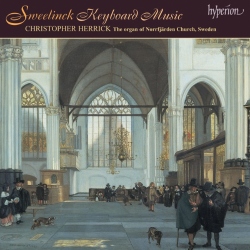
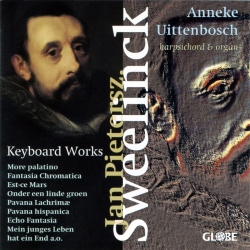
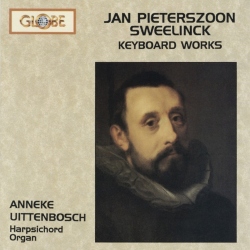
Composer:Jan Pieterszoon SweelinckGenre:KeyboardStyle:PavaneAverage_duration:4:02Jan Pieterszoon Sweelinck was a Dutch composer and organist who lived from 1562 to 1621. He was one of the most important composers of the late Renaissance and early Baroque periods in the Netherlands. One of his most famous works is the "Pavana Hispanica," a piece for keyboard that was composed in the late 16th century. The "Pavana Hispanica" is a dance piece that was popular in the Renaissance period. It is a slow, stately dance that was often performed at courtly events. The piece is in the key of G minor and is written in a simple, straightforward style. It is composed of four movements, each with its own distinct character. The first movement of the "Pavana Hispanica" is marked "Moderato" and is in 4/4 time. It begins with a simple, descending melody that is repeated throughout the movement. The melody is accompanied by a simple chord progression that gives the piece a sense of stability and balance. The second movement is marked "Allegro" and is in 3/4 time. It is a lively, energetic dance that features a more complex melody and a more varied accompaniment. The melody is played in a series of fast, intricate runs that give the piece a sense of excitement and movement. The third movement is marked "Adagio" and is in 4/4 time. It is a slow, mournful piece that features a simple, plaintive melody. The melody is accompanied by a series of chords that give the piece a sense of sadness and melancholy. The final movement is marked "Allegro" and is in 3/4 time. It is a lively, upbeat dance that features a fast, complex melody and a lively accompaniment. The melody is played in a series of fast, intricate runs that give the piece a sense of energy and excitement. Overall, the "Pavana Hispanica" is a beautiful and elegant piece of music that showcases Sweelinck's skill as a composer. It is a perfect example of the Renaissance dance music that was popular in the late 16th century, and it remains a popular piece of music to this day. The piece was likely composed in the late 1590s or early 1600s, and it was first performed in the Netherlands.More....
Works Music
Released Music