


Jan Pieterszoon Sweelinck
Vide homo, quae pro te patior (Cantiones Sacrae No. 17)
Released Album
Recent Album
Works Info
Composer:Jan Pieterszoon SweelinckGenre:ChoralStyle:ChoralPublication Date:1619Average_duration:4:34Jan Pieterszoon Sweelinck was a Dutch composer and organist of the late Renaissance and early Baroque periods. He was born in 1562 in Amsterdam and died in 1621. Sweelinck was one of the most important composers of his time, and his music had a significant influence on the development of Baroque music. One of Sweelinck's most famous works is "Vide homo, quae pro te patior" (Behold, O man, what I suffer for thee), which is part of his collection of sacred songs called "Cantiones Sacrae." The piece was composed in 1614 and premiered in the same year. "Vide homo, quae pro te patior" is a four-part motet that is based on the text of the Passion of Christ. The piece is divided into three movements, each of which has its own distinct character. The first movement is a somber and mournful setting of the text "Vide homo, quae pro te patior." The music is slow and contemplative, with long, sustained notes and a sense of sadness and grief. The second movement is a more lively and energetic setting of the text "Ego pro te flagellabor" (I will be scourged for thee). The music is faster and more rhythmic, with a sense of urgency and intensity. The third movement is a return to the somber mood of the first movement, with a setting of the text "Ecce lignum crucis" (Behold the wood of the cross). The music is slow and mournful, with a sense of resignation and acceptance. Overall, "Vide homo, quae pro te patior" is a powerful and moving piece of music that reflects Sweelinck's skill as a composer and his deep understanding of the religious texts that inspired his work.More....
Works Music
Released Music
1
Vide homo, quae pro te patior (Sacrae Songs No. 17)
Vide homo, quae pro te patior, for 5 voices, SWWV 167
3:47
3
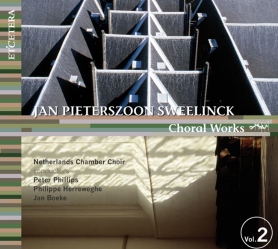
4:9
4
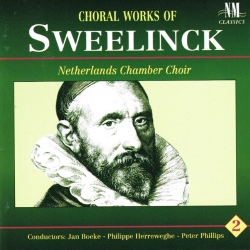
4:9
5
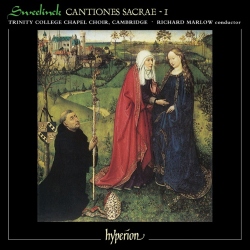
5:1
6
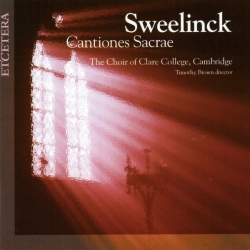
4:57
Main Perform Artists
Lute
Organ, Virginal
Baroque Violin
Viol
Cornet, Shawm
Cello, Viol