Béla Bartók
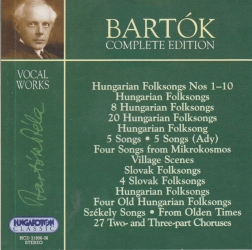
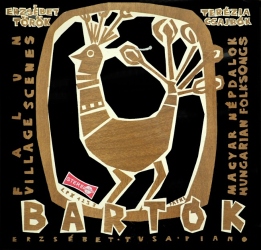
Hungarian Folksongs (10) Magyar népdalok, Vol. 1, Sz. 33
Released Album
Recent Album
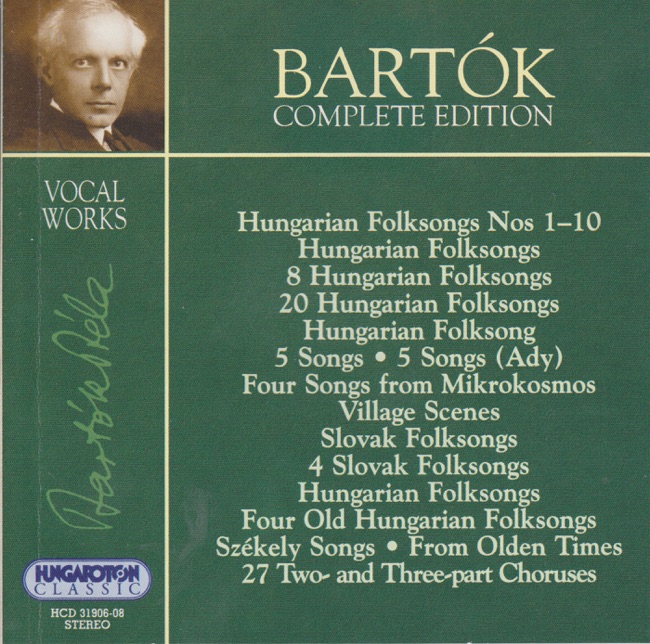
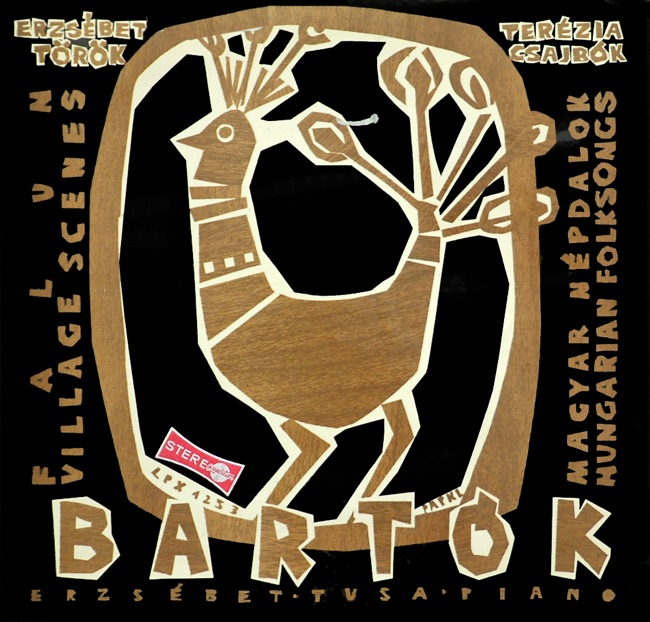
Works Info
Composer:Béla BartókGenre:VocalStyle:SongCompose Date:1906Average_duration:12:05Movement_count:11Movement ....Béla Bartók's 'Hungarian Folksongs (10) Magyar népdalok, Vol. 1, Sz. 33' is a collection of ten songs that were composed between 1906 and 1917. The work was premiered in Budapest in 1917, and it is considered one of Bartók's most important works. The ten songs in the collection are based on traditional Hungarian folk melodies, which Bartók collected during his travels throughout Hungary. The songs are arranged for voice and piano, and they showcase Bartók's unique approach to harmony and rhythm. The first movement, "The Old Woman," is a haunting melody that features a simple piano accompaniment and a plaintive vocal line. The second movement, "The Lost Bride," is a lively dance tune that features a syncopated rhythm and a playful melody. The third movement, "The Peacock," is a virtuosic piano piece that features intricate rhythms and complex harmonies. The fourth movement, "The Swineherd," is a humorous song that features a jaunty melody and a bouncy rhythm. The fifth movement, "The Lover," is a tender love song that features a soaring vocal line and a delicate piano accompaniment. The sixth movement, "The Lass from the Village," is a lively dance tune that features a driving rhythm and a catchy melody. The seventh movement, "The Handsome Lad," is a rousing song that features a powerful vocal line and a dramatic piano accompaniment. The eighth movement, "The Orphan," is a melancholy melody that features a simple piano accompaniment and a plaintive vocal line. The ninth movement, "The Peasant Boy," is a lively dance tune that features a syncopated rhythm and a playful melody. The final movement, "The Soldier," is a dramatic song that features a powerful vocal line and a driving piano accompaniment. Overall, 'Hungarian Folksongs (10) Magyar népdalok, Vol. 1, Sz. 33' is a masterful collection of songs that showcases Bartók's unique approach to harmony and rhythm. The work is a testament to Bartók's deep love and respect for traditional Hungarian folk music, and it remains a beloved and influential work in the classical music canon.More....
Works Music
Released Music
1
Hungarian Folksongs (10) Hungarian folk songs, Vol. 1, No. 33
I. Parlando - Andante con moto - Allegro vivace
3:35
2
Hungarian Folksongs (10) Hungarian folk songs, Vol. 1, No. 33
II. Crossing The River (Által Mennék Én A Tiszán Ladikon)
47