


Pierre Segond
Released Album
Keyboard
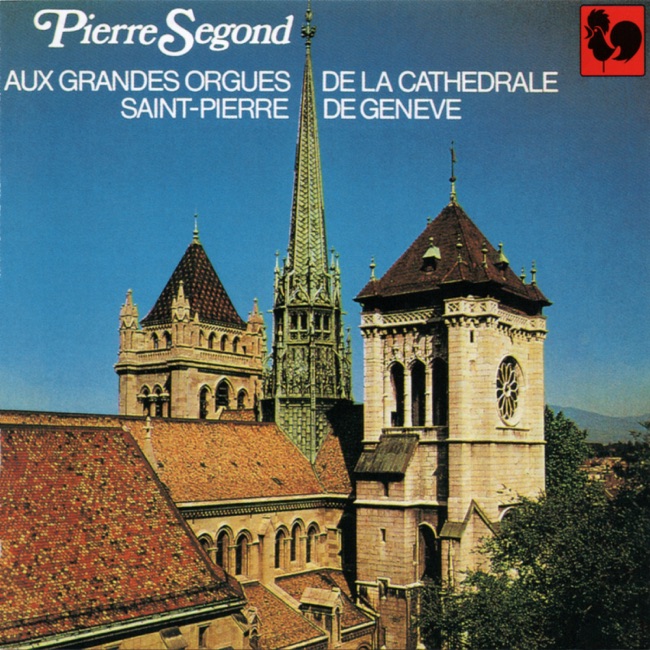

Chamber
-
 December 12, 1995
Artist Info
Role:ComposerBirth:1913Pierre Segond was a French composer who lived from 1925 to 2000. He was born in the city of Toulouse, in the south of France, and grew up in a family of musicians. His father was a violinist and his mother was a pianist, and they both encouraged their son to pursue a career in music. Segond began his musical education at a young age, studying piano and violin with his parents. He showed a natural talent for composition, and began writing his own music when he was just a teenager. He went on to study at the Conservatoire de Paris, where he studied composition with Olivier Messiaen and piano with Yvonne Loriod. Segond's early works were heavily influenced by the music of Messiaen, who was a major figure in the French avant-garde. Segond's music was characterized by its use of complex rhythms, unusual harmonies, and intricate textures. He was also interested in exploring the possibilities of electronic music, and he worked with some of the earliest electronic instruments, such as the Ondes Martenot. One of Segond's most famous works is his Symphony No. 1, which he composed in 1955. The symphony is a large-scale work that is divided into four movements. It is characterized by its use of complex rhythms and harmonies, and its intricate orchestration. The symphony was well-received by critics and helped establish Segond as one of the leading composers of his generation. In the 1960s, Segond began to experiment with new forms of music, such as musique concrète and serialism. He was particularly interested in the use of chance and indeterminacy in music, and he began to incorporate these elements into his compositions. One of his most famous works from this period is his piece for piano and tape, entitled "Métamorphoses." Segond continued to compose throughout the 1970s and 1980s, and his music continued to evolve. He began to incorporate elements of world music into his compositions, and he was particularly interested in the music of Africa and Asia. He also began to experiment with new forms of notation, such as graphic notation and aleatoric notation. One of Segond's most famous works from this period is his "Concerto for Ondes Martenot and Orchestra," which he composed in 1982. The concerto is a virtuosic work that showcases the unique sound of the Ondes Martenot, an early electronic instrument that was invented in the 1920s. The concerto is characterized by its use of complex rhythms and harmonies, and its intricate orchestration. Segond continued to compose until his death in 2000. His music has been performed by some of the world's leading orchestras and ensembles, and he is considered to be one of the most important composers of the 20th century. His music is characterized by its complexity and its willingness to explore new forms and techniques, and it continues to inspire composers and musicians around the world.More....
Recent Artist Music
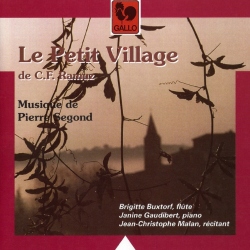
3
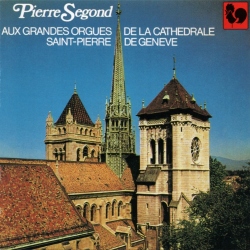
9:14
4
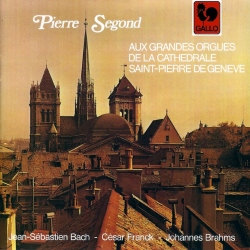
9:45
5
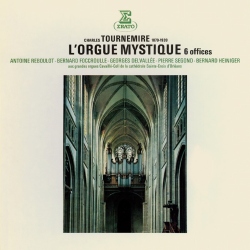
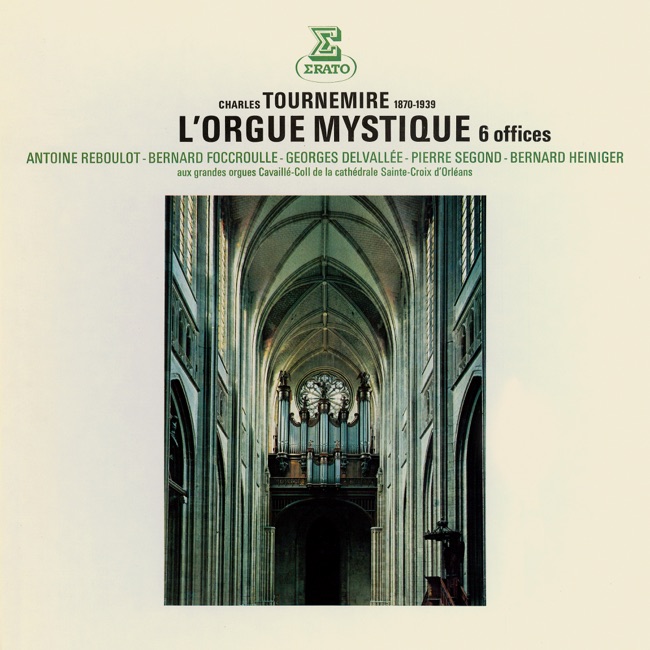
The Mystical Organ: Easter Cycle, suites Nos. 12-25, Op.56
No. 16 'Sabbato Sancto': III. Postlude
5:5
6
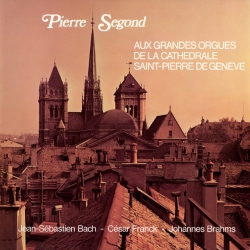
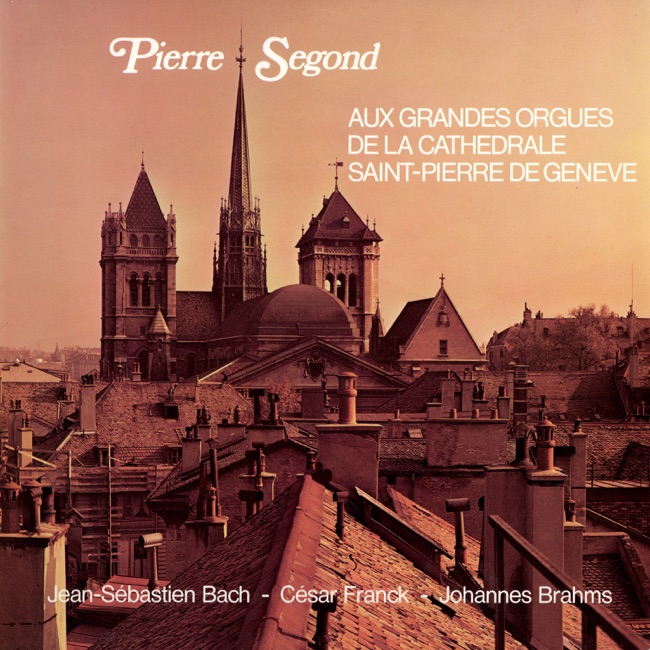
Bach: Prelude and Fugue, BWV 552; Brahms: 3 Choralforspiele; Franck: Choral No. 2 in B minor, FWV 39
9:44
Copyright Ⓒ 2013 Davinci Finger. All rights reseved
Service Terms & Policy