


Teizo Matsumura
Released Album
Chamber
-
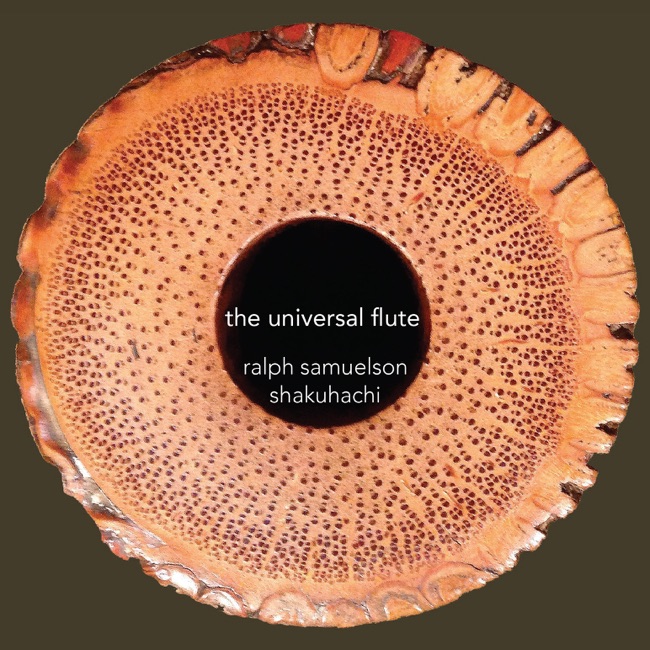 July 29, 2016
 -
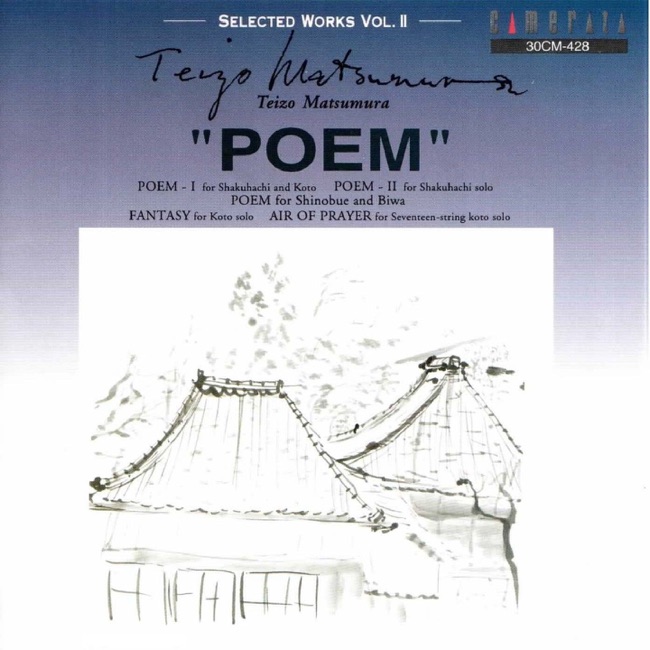 February 16, 2004
 -
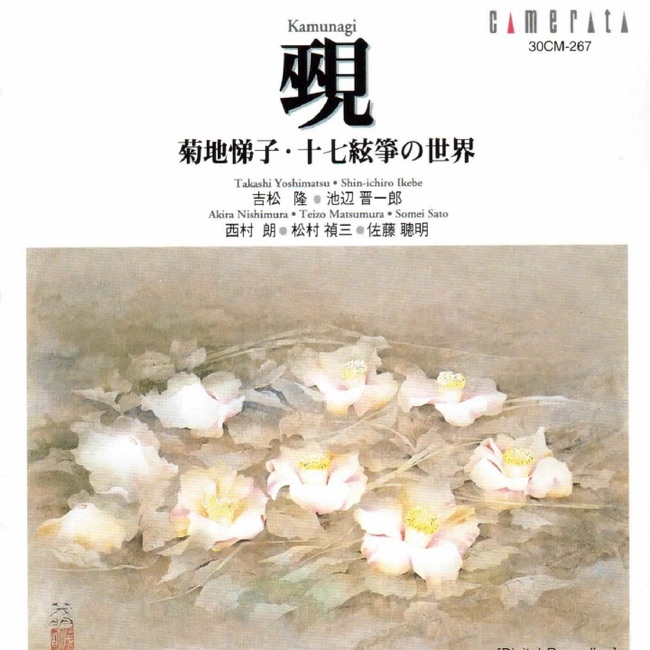 June 18, 1996
Keyboard
-
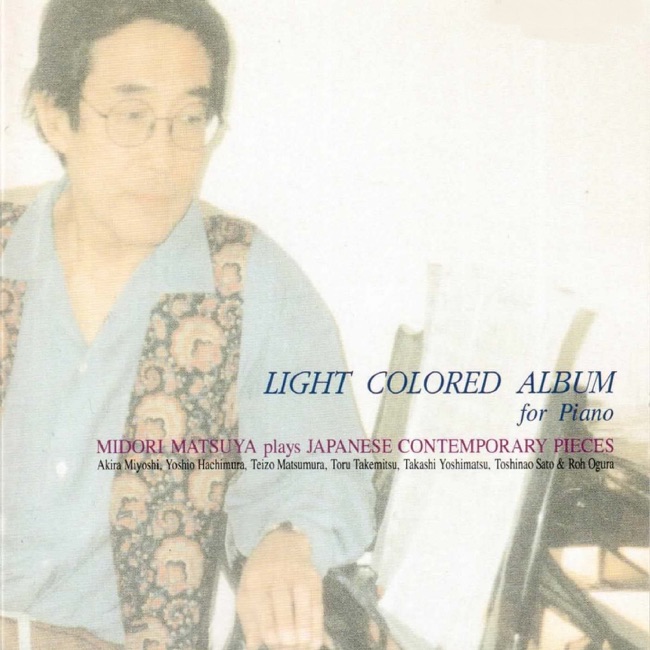 November 18, 1997
Artist Info
Role:ComposerCountry: JapanBirth:January 15, 1929 in Kyoto, JapanDeath:2007Genre:ChamberConcertoTeizo Matsumura was a Japanese composer who was born on January 17, 1929, in Tokyo, Japan. He was the son of a famous painter, Matsumura Goshun, and grew up in a family that valued the arts. Matsumura began studying music at a young age and showed a natural talent for composition. He went on to study at the Tokyo National University of Fine Arts and Music, where he was mentored by the renowned composer Tomojiro Ikenouchi. Matsumura's early works were heavily influenced by Western classical music, particularly the works of Beethoven and Brahms. However, he also drew inspiration from traditional Japanese music and incorporated elements of it into his compositions. His first major work, the Symphony No. 1, was premiered in 1955 and was well-received by audiences and critics alike. The symphony showcased Matsumura's skill as a composer and his ability to blend Western and Japanese musical traditions. Throughout the 1950s and 1960s, Matsumura continued to compose works that blended Western and Japanese musical styles. He was particularly interested in the concept of "ma," which refers to the space between notes in Japanese music. Matsumura believed that this concept could be applied to Western music as well, and he incorporated it into many of his compositions. One of Matsumura's most famous works is the opera "The Temple of the Golden Pavilion," which was based on the novel of the same name by Yukio Mishima. The opera premiered in 1976 and was a critical and commercial success. It showcased Matsumura's ability to create music that was both dramatic and introspective, and it solidified his reputation as one of Japan's leading composers. In addition to his work as a composer, Matsumura was also a respected music educator. He taught at the Tokyo National University of Fine Arts and Music for many years and mentored several generations of young composers. He was known for his dedication to his students and his willingness to help them develop their own unique musical voices. Matsumura's later works were more experimental and avant-garde than his earlier compositions. He was particularly interested in electronic music and incorporated it into many of his works. One of his most famous electronic works is "Space-Time Music," which was composed in 1980 and featured a combination of traditional Japanese instruments and electronic sounds. Matsumura continued to compose music until his death on December 17, 2007, at the age of 78. He left behind a legacy of innovative and groundbreaking compositions that blended Western and Japanese musical traditions. His work continues to be performed and studied by musicians and music scholars around the world.More....
Recent Artist Music
Copyright Ⓒ 2013 Davinci Finger. All rights reseved
Service Terms & Policy