


Julius Koppel
Released Album
Vocal
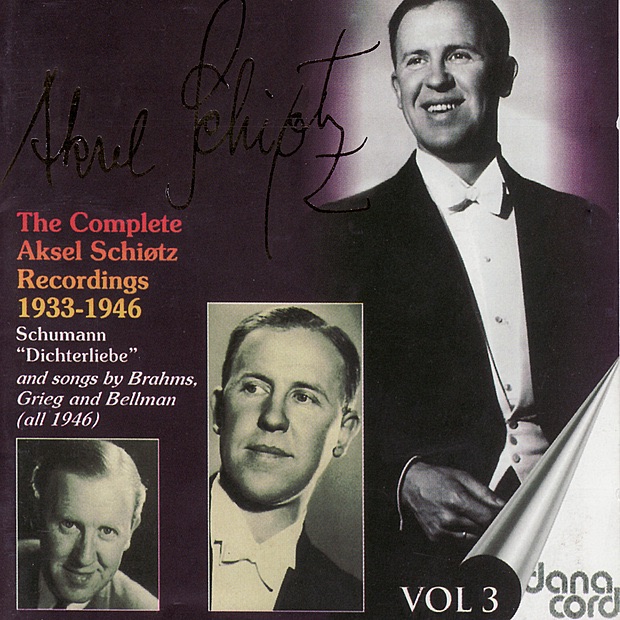
Artist Info
Period:BaroqueGenre:ChamberVocalJulius Koppel was a renowned classical music artist who made significant contributions to the world of music during his lifetime. Born on January 15, 1896, in Berlin, Germany, Koppel was the son of a Jewish family. His father, Max Koppel, was a successful businessman, and his mother, Johanna Koppel, was a homemaker. Koppel showed an early interest in music and began playing the piano at the age of six. Koppel's parents recognized his talent and encouraged him to pursue music seriously. He received his first formal training in music from his mother, who was a trained pianist. Koppel's talent soon became evident, and he was accepted into the Berlin Conservatory at the age of ten. He studied under some of the most renowned music teachers of the time, including Ferruccio Busoni and Arthur Schnabel. Koppel's talent as a pianist was recognized early on, and he began performing in public at the age of twelve. He made his debut as a soloist with the Berlin Philharmonic Orchestra at the age of fourteen, playing Beethoven's Piano Concerto No. 3. The performance was a huge success, and Koppel was hailed as a prodigy. Koppel continued to perform in public throughout his teenage years, and his reputation as a pianist continued to grow. He won several awards and prizes, including the prestigious Mendelssohn Prize, which he won at the age of sixteen. Koppel's performances were characterized by his technical brilliance and his ability to convey the emotional depth of the music he played. In 1914, Koppel was drafted into the German army to fight in World War I. He served as a medic and was stationed on the Western Front. During his time in the army, Koppel continued to play the piano whenever he could, often entertaining his fellow soldiers. He also composed several pieces of music during this time, including a piano sonata and a string quartet. After the war, Koppel resumed his career as a pianist. He continued to perform in public and began to tour internationally. He made his debut in the United States in 1921, playing with the New York Philharmonic Orchestra. The performance was a huge success, and Koppel was invited to perform with several other major orchestras in the United States. Koppel's career continued to flourish throughout the 1920s and 1930s. He performed with some of the most renowned orchestras in the world, including the London Symphony Orchestra, the Vienna Philharmonic Orchestra, and the Boston Symphony Orchestra. He also recorded several albums of his music, which were widely acclaimed. In 1933, Koppel's career was interrupted by the rise of the Nazi party in Germany. As a Jew, Koppel was no longer able to perform in public in Germany, and he was forced to flee the country. He settled in the United States and continued to perform and compose music. Koppel's music was heavily influenced by the Romantic composers of the 19th century, particularly Beethoven and Brahms. His compositions were characterized by their emotional depth and their technical brilliance. Koppel's most famous works include his Piano Concerto No. 1, his Symphony No. 2, and his String Quartet No. 1. Koppel continued to perform and compose music until his death in 1953. He was widely regarded as one of the greatest pianists of his time and a major figure in the world of classical music. His legacy continues to inspire musicians and music lovers around the world.More....
Recent Artist Music
Copyright Ⓒ 2013 Davinci Finger. All rights reseved
Service Terms & Policy