


Boris Tishchenko
Released Album
Keyboard
-
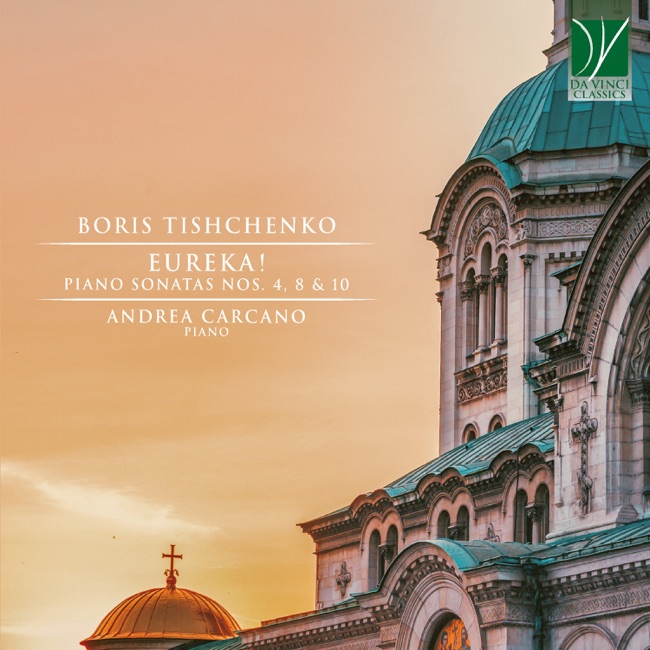 February 25, 2022
 -
 June 15, 2018
 -
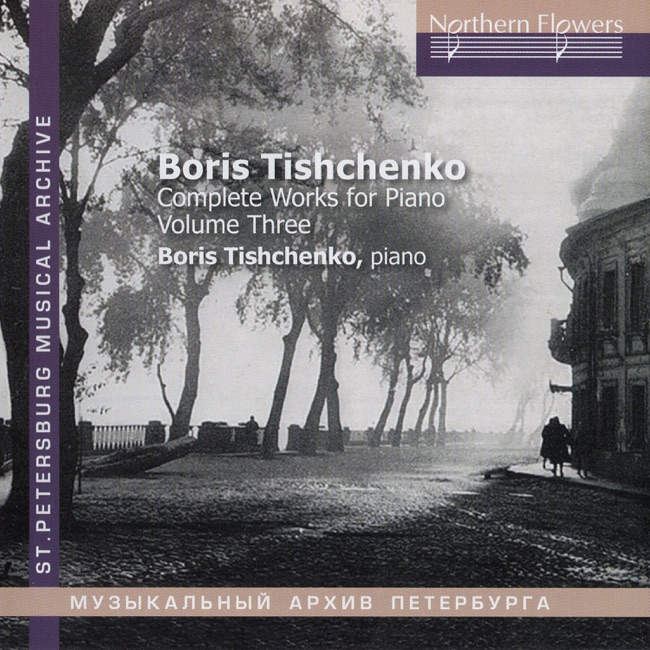 September 16, 2016
 -
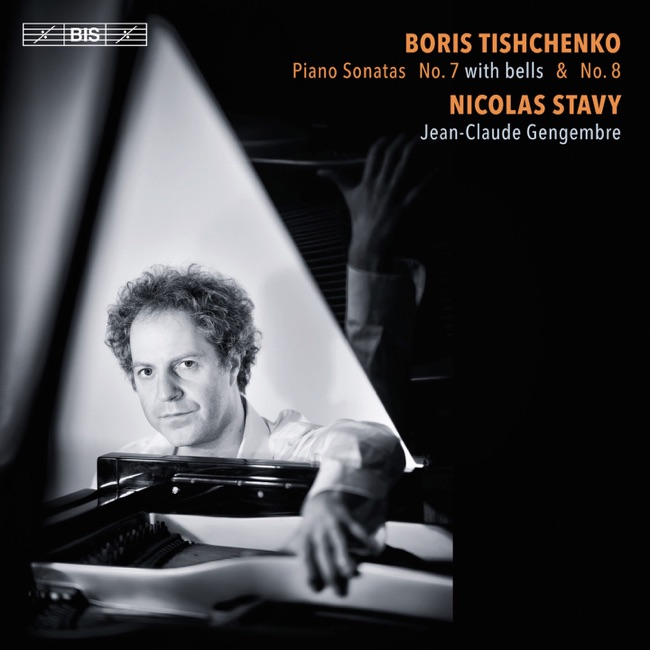
-
 July 30, 2014
 -
 February 11, 2014
Symphony
-
 April 30, 2021
 -
 January 14, 2014
 -
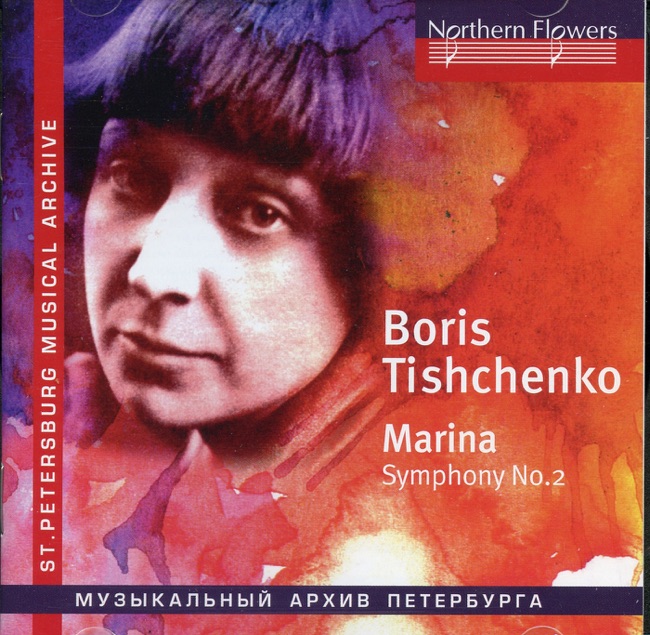 November 13, 2012
 -
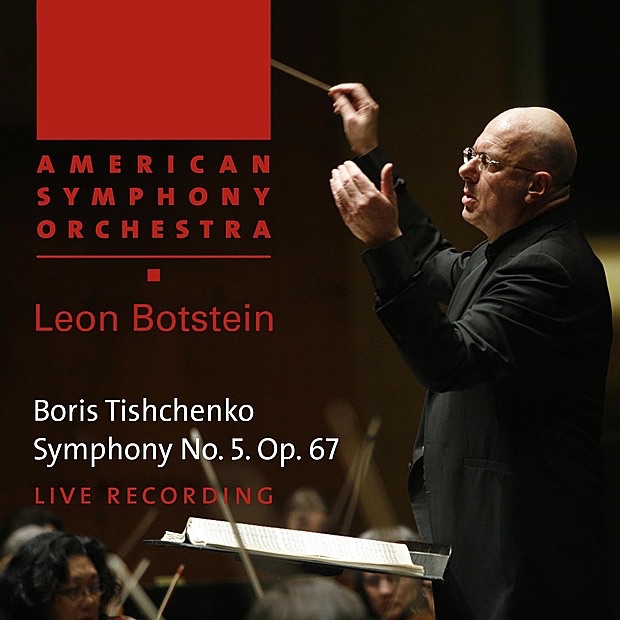 July 14, 2010
 -
 January 22, 2008
 -
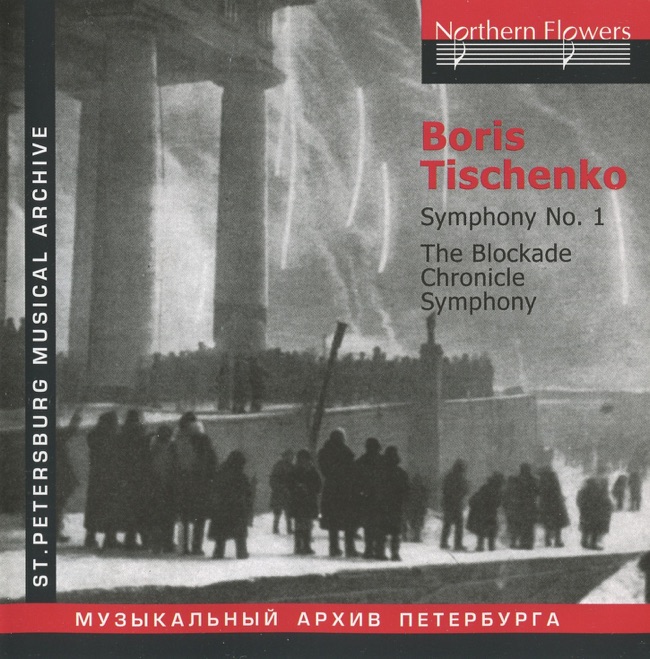 January 2, 2007
Concerto
-
-
 December 2, 2016
 -
 April 1, 2011
 -
-
 April 25, 2000
 -
Chamber
-
 March 17, 2023
 -
 July 10, 2015
 -
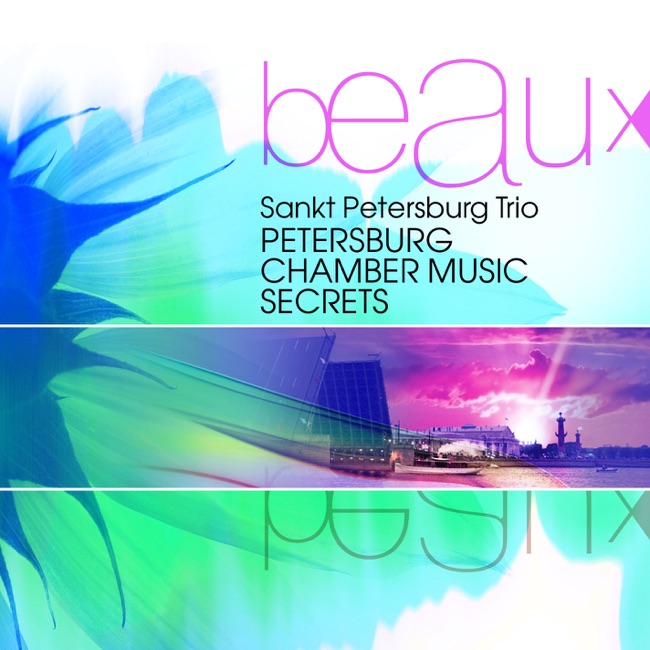 January 1, 2012
 -
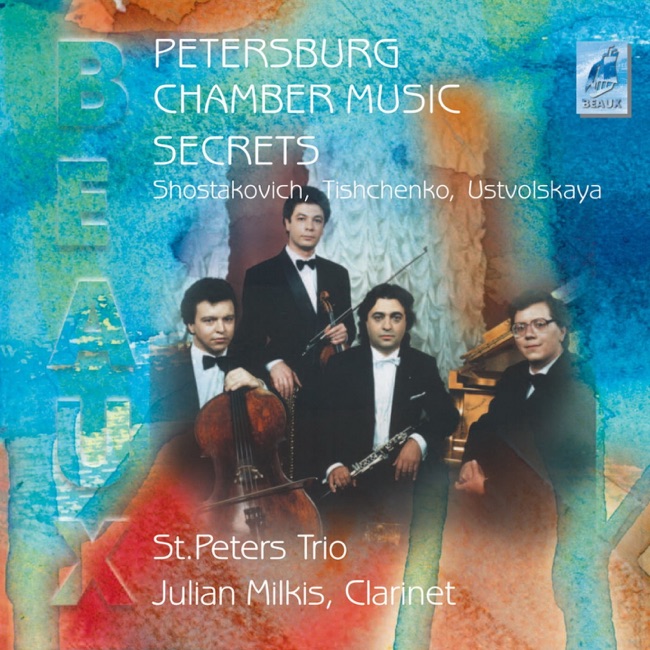 April 14, 2007
Artist Info
Role:ComposerCountry: RussiaBirth:March 23, 1939 in Leningrad, RussiaDeath:2010Period:ContemporaryModernGenre:ChamberConcertoKeyboardBoris Tishchenko was a prominent Russian composer of the 20th century, known for his contributions to the classical music genre. Born on March 23, 1939, in Leningrad (now St. Petersburg), Tishchenko grew up in a family of musicians. His father was a cellist, and his mother was a pianist, which exposed him to music from an early age. Tishchenko began his musical education at the Leningrad Conservatory, where he studied composition under the tutelage of Dmitry Shostakovich, one of the most celebrated composers of the 20th century. Shostakovich had a profound influence on Tishchenko's musical style, and the two developed a close relationship that lasted until Shostakovich's death in 1975. Tishchenko's early works were heavily influenced by Shostakovich's style, but he soon developed his own unique voice. His compositions were characterized by their emotional depth, technical complexity, and a keen sense of musical structure. Tishchenko's music was often described as "neo-romantic," as it combined elements of traditional classical music with modernist techniques. One of Tishchenko's most significant works is his Symphony No. 1, which he composed in 1964. The symphony was well-received by critics and established Tishchenko as a rising star in the classical music world. The piece is notable for its use of unconventional harmonies and its complex orchestration, which includes a large percussion section. Tishchenko continued to compose prolifically throughout his career, producing a wide range of works in various genres. He wrote several operas, including The Death of Don Juan and The Twelve, which were both based on literary works. He also composed numerous chamber works, such as his String Quartet No. 7, which was dedicated to the memory of Shostakovich. In addition to his work as a composer, Tishchenko was also a respected music educator. He taught composition at the St. Petersburg Conservatory for many years and mentored several generations of young composers. Tishchenko was known for his rigorous teaching style and his commitment to preserving the traditions of classical music. Tishchenko's later works were marked by a more introspective and contemplative tone. His Symphony No. 8, which he composed in 1993, is a prime example of this style. The piece is a meditation on the nature of time and features a hauntingly beautiful melody that is repeated throughout the work. Tishchenko's music was widely performed in Russia and abroad, and he received numerous awards and honors for his contributions to the classical music world. He was awarded the State Prize of the Russian Federation in 1995 and was named a People's Artist of Russia in 1999. Tishchenko continued to compose until his death in 2010. His final work, Symphony No. 12, was completed just months before his passing. The piece is a tribute to his mentor, Shostakovich, and features quotations from several of Shostakovich's works. In conclusion, Boris Tishchenko was a highly respected composer and music educator who made significant contributions to the classical music genre. His works were characterized by their emotional depth, technical complexity, and a keen sense of musical structure. Tishchenko's legacy continues to inspire and influence young composers around the world.More....
Recent Artist Music
1
10:45

12
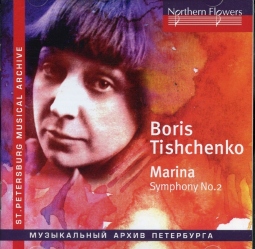
12:33
14
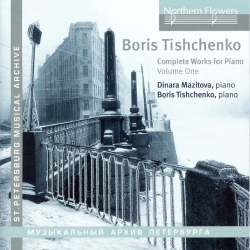
11:59
15
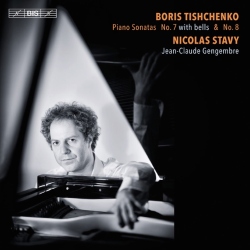
Sonata No. 7 for piano with bells in C major, Op. 85
1. Andante - Allegro - Andante - Allegro - Andante
12:11
Copyright Ⓒ 2013 Davinci Finger. All rights reseved
Service Terms & Policy