


Boris Ivanovich Tischenko
Released Album
Symphony
-
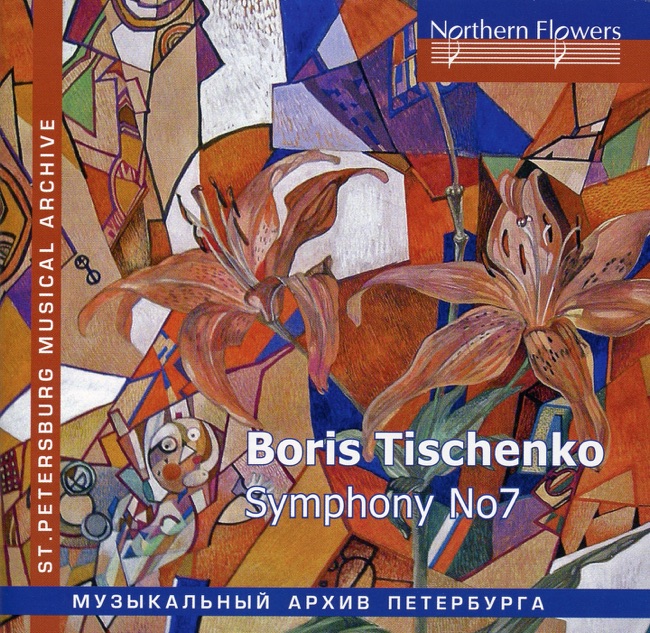 June 12, 2012
 -
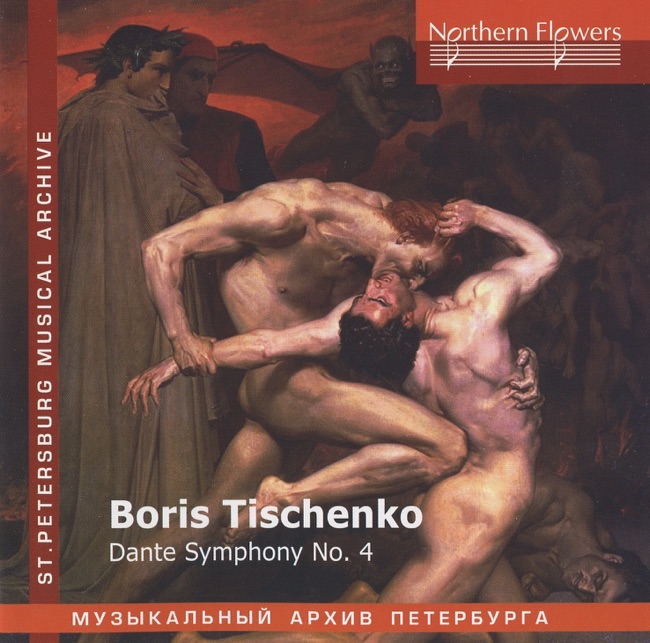 June 9, 2009
 -
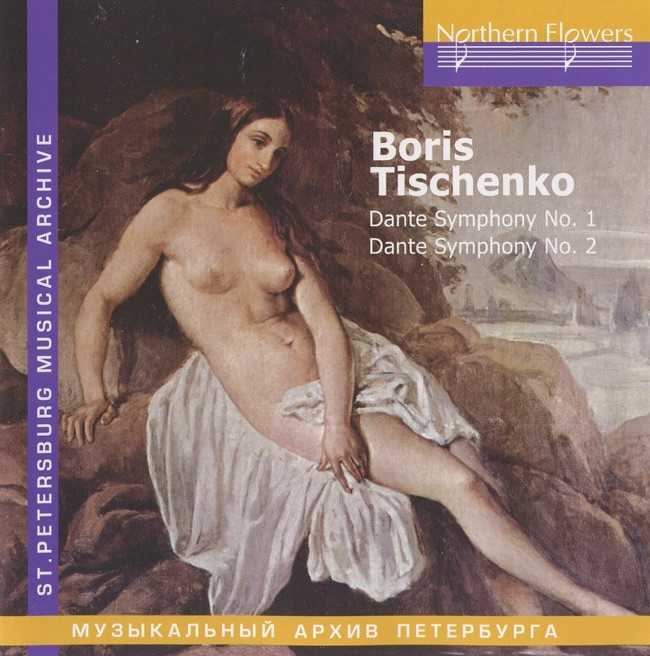 October 14, 2008
Concerto
-
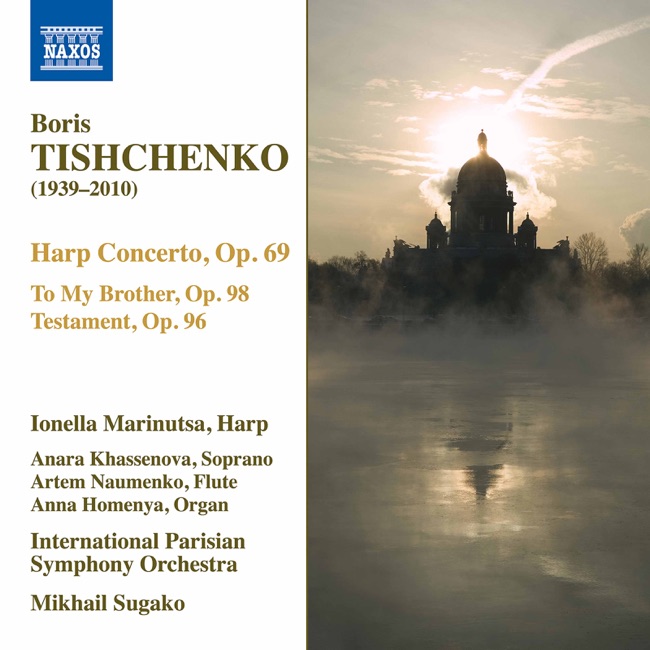 January 24, 2020
 -
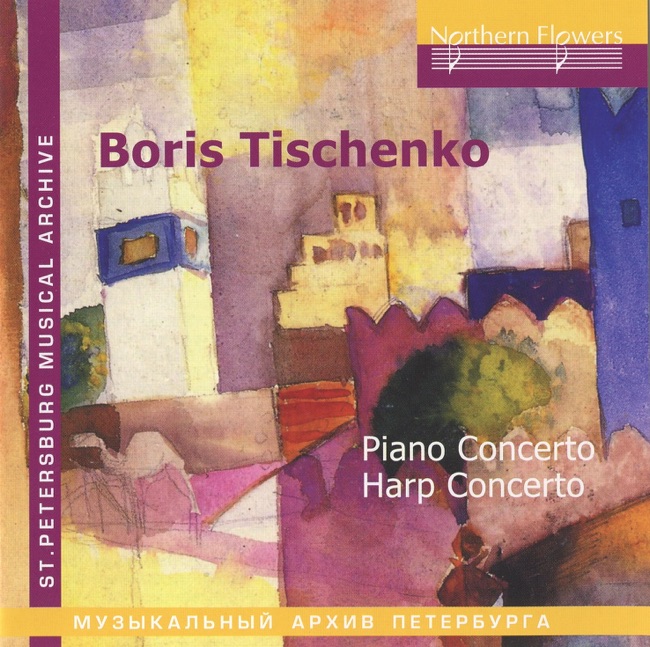 April 1, 2011
 -
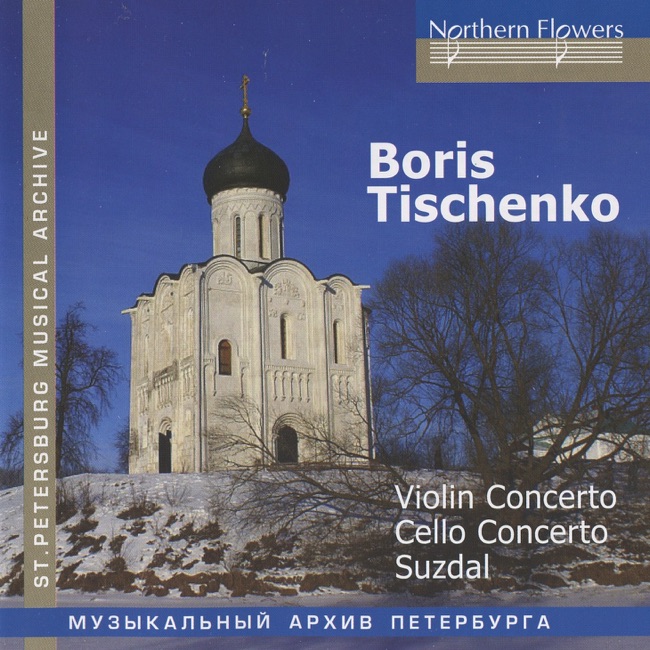 July 14, 2009
Chamber
-
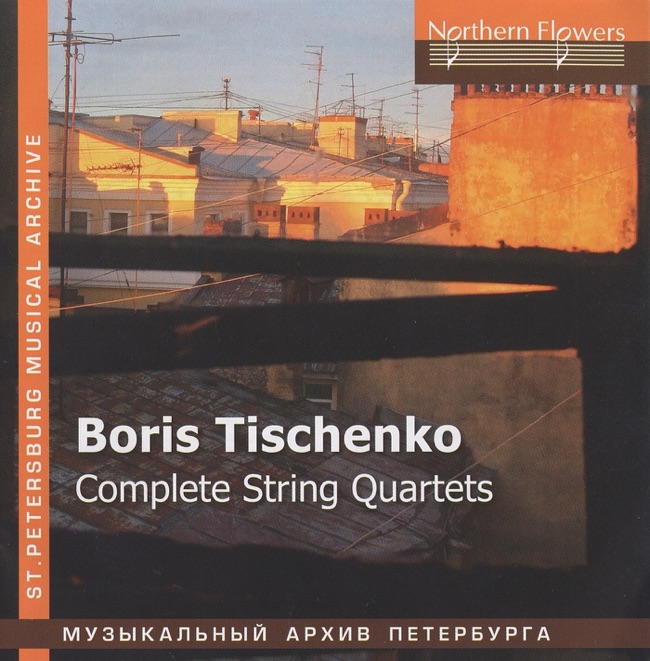 September 13, 2011
 -
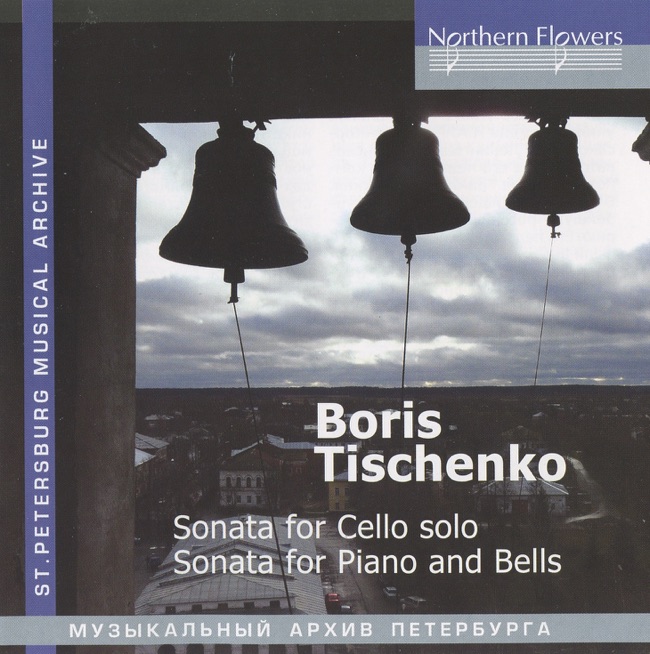 December 8, 2009
Orchestral
-
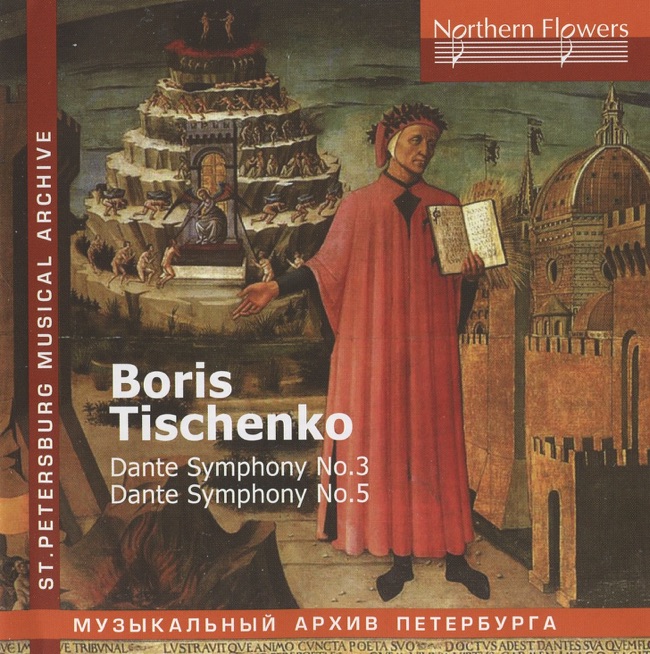 March 9, 2010
Artist Info
Role:ComposerBirth:1939Death:2010Boris Ivanovich Tischenko was a prominent Russian composer of the 20th century, known for his contributions to the classical music genre. Born on March 10, 1939, in Leningrad (now St. Petersburg), Tischenko grew up in a family of musicians. His father, Ivan Tischenko, was a composer and conductor, while his mother, Maria Tischenko, was a pianist. This musical environment played a significant role in shaping Tischenko's interest in music from an early age. Tischenko began his formal music education at the Leningrad Conservatory, where he studied composition under the tutelage of Dmitry Shostakovich, one of the most celebrated composers of the 20th century. Shostakovich's influence on Tischenko's music is evident in his early works, which display a similar style and approach to composition. In 1962, Tischenko graduated from the Leningrad Conservatory with a degree in composition. He then went on to teach at the same institution, where he remained until 1990. During his tenure as a professor, Tischenko mentored several young composers, including Sergei Slonimsky and Alexander Raskatov, who went on to become successful composers in their own right. Tischenko's early works, such as his First Symphony (1960) and his Piano Sonata No. 1 (1961), were heavily influenced by Shostakovich's style of composition. However, as Tischenko matured as a composer, he began to develop his own unique voice, which was characterized by a more experimental and avant-garde approach to composition. One of Tischenko's most significant works is his Second Symphony (1964), which was inspired by the poetry of Vladimir Mayakovsky. The symphony is notable for its use of unconventional instrumentation, including a saxophone quartet and a jazz band. The work was well-received by critics and helped establish Tischenko as a leading figure in the Soviet avant-garde music scene. Throughout the 1970s and 1980s, Tischenko continued to produce a steady stream of innovative and experimental works. His Third Symphony (1971) is a prime example of his avant-garde style, featuring a complex and dissonant score that challenges traditional notions of harmony and melody. Other notable works from this period include his String Quartet No. 3 (1975) and his Piano Concerto No. 2 (1980). In the 1990s, following the collapse of the Soviet Union, Tischenko's music began to receive more international recognition. He was invited to participate in several international music festivals, including the Warsaw Autumn Festival and the Venice Biennale. During this period, Tischenko continued to produce a diverse range of works, including his Fourth Symphony (1991) and his opera, The Death of Empedocles (1995). Tischenko's later works, such as his Fifth Symphony (2000) and his String Quartet No. 7 (2003), reflect a more introspective and contemplative approach to composition. These works are characterized by a more restrained use of dissonance and a greater emphasis on melody and harmony. Throughout his career, Tischenko received numerous awards and honors for his contributions to the classical music genre. In 1995, he was awarded the State Prize of the Russian Federation for his opera, The Death of Empedocles. He was also a recipient of the Order of Merit for the Fatherland, one of Russia's highest civilian honors. Boris Ivanovich Tischenko passed away on December 24, 2019, at the age of 80.More....
Recent Artist Music
1
28:24
3
8:31
4
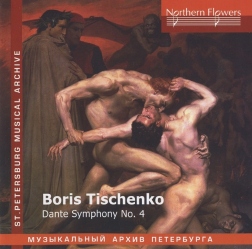
50:53
5
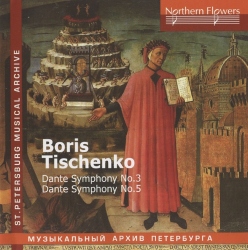
33:41
6
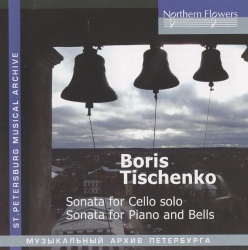
13:7
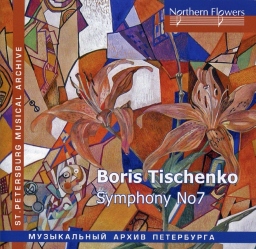
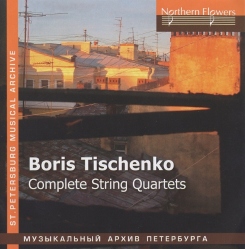
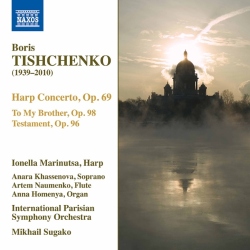
Copyright Ⓒ 2013 Davinci Finger. All rights reseved
Service Terms & Policy