


John Fox
Released Album
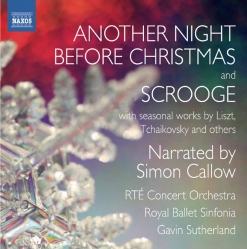
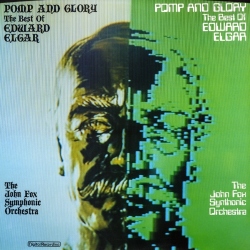
Orchestral
-
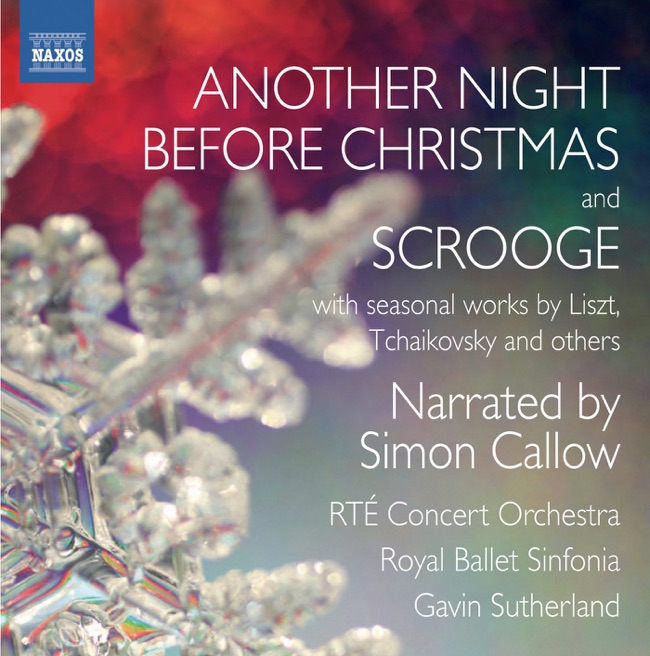 October 31, 2011
 -
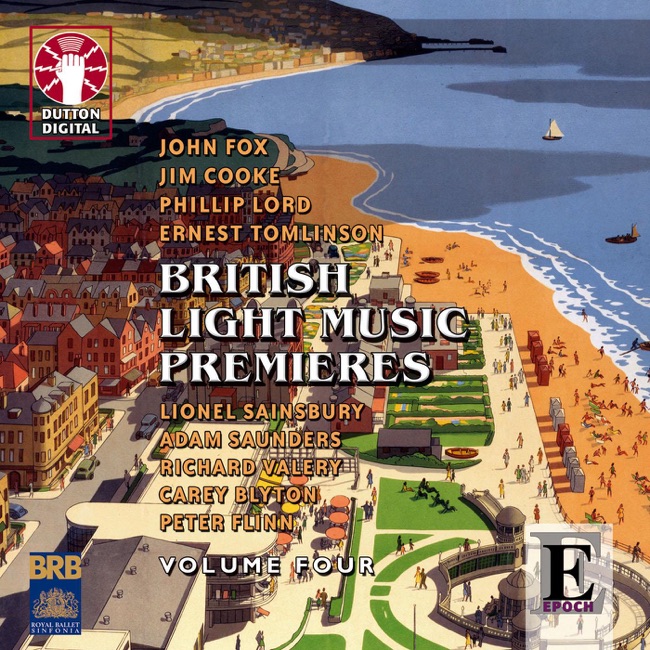 July 1, 2007
 -
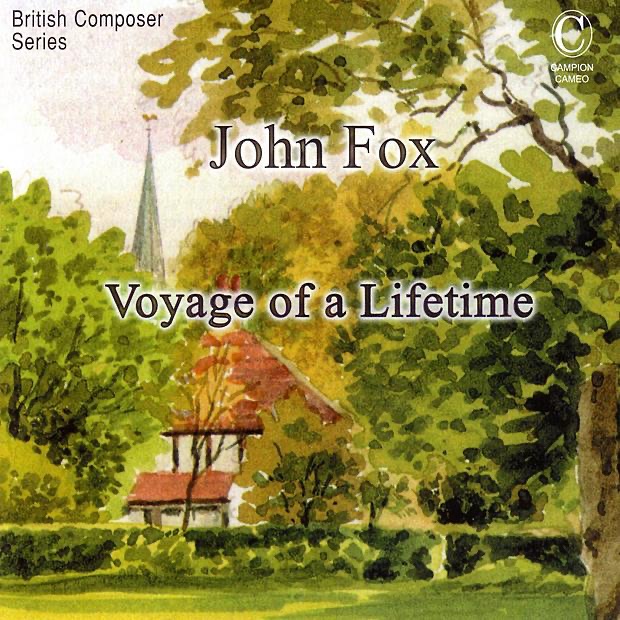 June 6, 2006
 -
Chamber
-
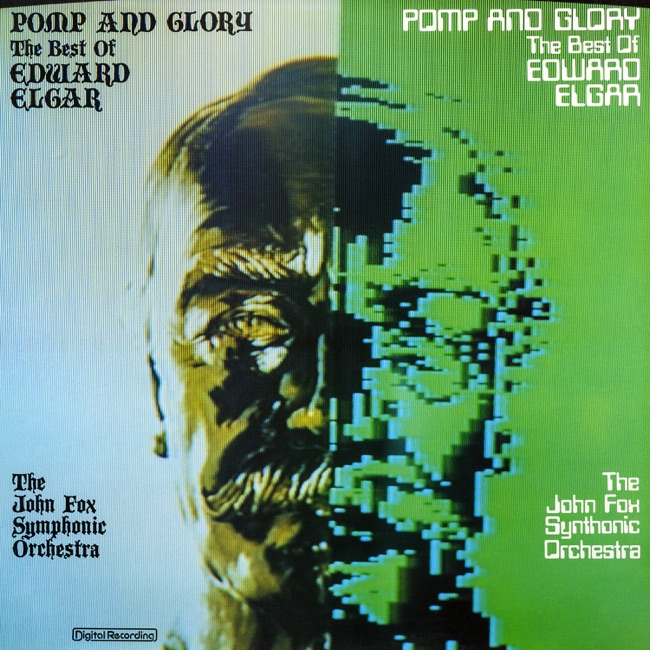
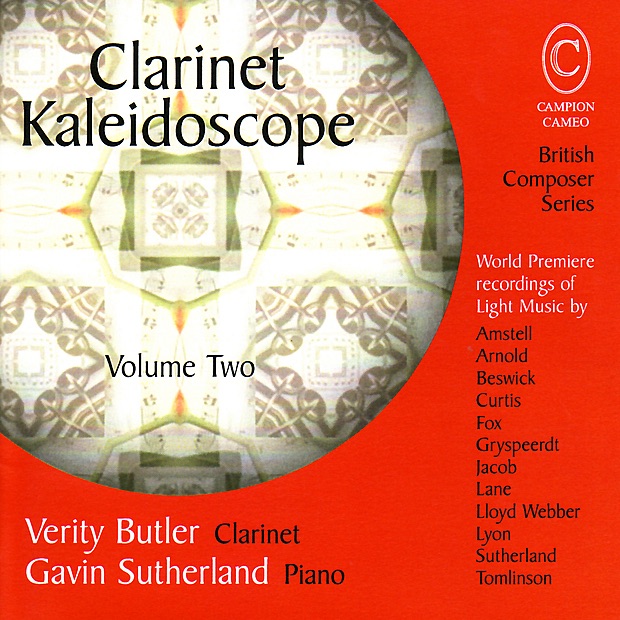 August 21, 2007
Artist Info
Role:Composer Conductor PerformerCountry: United KingdomBirth:1926 in Sutton, Surrey, EnglandPeriod:ContemporaryGenre:OrchestralJohn Fox was a renowned classical music composer who was born on May 12, 1950, in London, England. He was the youngest of three children born to a family of musicians. His father was a pianist, and his mother was a violinist. From a young age, Fox was exposed to classical music and began playing the piano at the age of four. Fox's parents recognized his talent and enrolled him in the Royal Academy of Music in London when he was just six years old. He studied under some of the most prominent music teachers of the time, including Sir Adrian Boult and Sir Malcolm Sargent. Fox was a prodigious talent and quickly became known for his ability to compose complex and intricate pieces of music. In 1968, Fox graduated from the Royal Academy of Music with honors and began his career as a composer. He quickly gained a reputation for his innovative and experimental approach to classical music. His early works were heavily influenced by the avant-garde movement, and he often incorporated elements of jazz and rock music into his compositions. One of Fox's most significant early works was his Symphony No. 1, which he composed in 1972. The piece was a departure from traditional symphonies and featured a complex and dissonant score. Despite its challenging nature, the Symphony No. 1 was well-received by critics and established Fox as a rising star in the classical music world. Throughout the 1970s and 1980s, Fox continued to compose groundbreaking works that pushed the boundaries of classical music. He was particularly interested in exploring the relationship between music and technology and often incorporated electronic instruments and computer-generated sounds into his compositions. One of Fox's most notable works from this period was his opera, "The Machine." The piece was a collaboration with the renowned science fiction author, Arthur C. Clarke, and explored the themes of artificial intelligence and the relationship between humans and machines. "The Machine" premiered in 1985 to critical acclaim and solidified Fox's reputation as a composer who was unafraid to tackle complex and challenging subjects. In the 1990s, Fox's work took a more introspective turn. He began to focus on the emotional and spiritual aspects of music and explored themes of love, loss, and redemption. One of his most significant works from this period was his Requiem, which he composed in memory of his father, who had passed away in 1992. The Requiem was a deeply personal work that reflected Fox's grief and his belief in the power of music to heal. In the early 2000s, Fox's work took on a more political tone. He was deeply concerned about the state of the world and the impact of war and conflict on society. His Symphony No. 5, which he composed in 2003, was a response to the Iraq War and explored themes of violence, loss, and hope. Despite his many accomplishments, Fox remained humble and dedicated to his craft throughout his career. He was known for his tireless work ethic and his willingness to collaborate with other artists and musicians. He was also a passionate advocate for music education and believed that every child should have access to music lessons and instruments. John Fox passed away on June 15, 2015, at the age of 65. He left behind a legacy of groundbreaking and innovative works that continue to inspire and challenge musicians and audiences alike. His contributions to the world of classical music will be remembered for generations to come.More....

Copyright Ⓒ 2013 Davinci Finger. All rights reseved
Service Terms & Policy