


Rudolf Sieczynski
Released Album
Vocal
-
 August 26, 2023
 -
 September 30, 2016
 -
 February 4, 2013
Artist Info
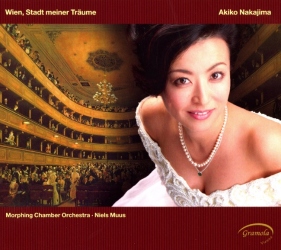
Role:ComposerCountry: AustriaBirth:February 23, 1879 in Vienna, AustriaDeath:May 5, 1952 in Vienna, AustriaPeriod:RomanticGenre:VocalRudolf Sieczynski was a renowned Austrian composer and conductor, best known for his contributions to the world of classical music. Born on September 28, 1879, in Vienna, Austria, Sieczynski was the son of a Polish composer and conductor, Antoni Sieczynski. From a young age, Rudolf showed a keen interest in music and began his formal training in composition and conducting at the Vienna Conservatory. Sieczynski's early works were heavily influenced by the Viennese waltz tradition, which was popular in Austria during the late 19th and early 20th centuries. His first major composition, "Wien, du Stadt meiner Träume" (Vienna, City of My Dreams), was written in 1910 and quickly became a hit in Austria and Germany. The song's catchy melody and sentimental lyrics captured the essence of Vienna's romantic charm and made it an instant classic. Over the next few years, Sieczynski continued to compose popular songs and operettas, many of which were performed in Vienna's famous theaters and concert halls. His most successful operetta, "Das Lied der Liebe" (The Song of Love), premiered in 1912 and was a critical and commercial success. The operetta's romantic storyline and catchy tunes made it a favorite among audiences in Austria and Germany. In 1914, Sieczynski was drafted into the Austrian army and served as a conductor in the military band. During his time in the army, he continued to compose music and wrote several patriotic songs that were performed at military events and rallies. After the end of World War I, Sieczynski returned to Vienna and resumed his career as a composer and conductor. Throughout the 1920s and 1930s, Sieczynski continued to compose popular songs and operettas, many of which were performed in Vienna's famous theaters and concert halls. His most famous song, "Wien, du Stadt meiner Träume," became an unofficial anthem of Vienna and was performed at many public events and celebrations. In 1938, Austria was annexed by Nazi Germany, and Sieczynski's career was severely impacted by the political turmoil. As a Jew, he was forced to flee Austria and emigrate to the United States. In America, he continued to compose music and worked as a conductor for several orchestras. However, his music was largely forgotten in Europe, and he never regained the fame and recognition he had enjoyed before the war. Despite the challenges he faced, Sieczynski continued to compose music until his death in 1952. His legacy lives on through his many popular songs and operettas, which continue to be performed and enjoyed by audiences around the world.More....
Recent Artist Music
2
3:12
9
2:54
12
6:24
Copyright Ⓒ 2013 Davinci Finger. All rights reseved
Service Terms & Policy