


Tomás Bretón
Released Album
Opera
-
 December 4, 2020
 -
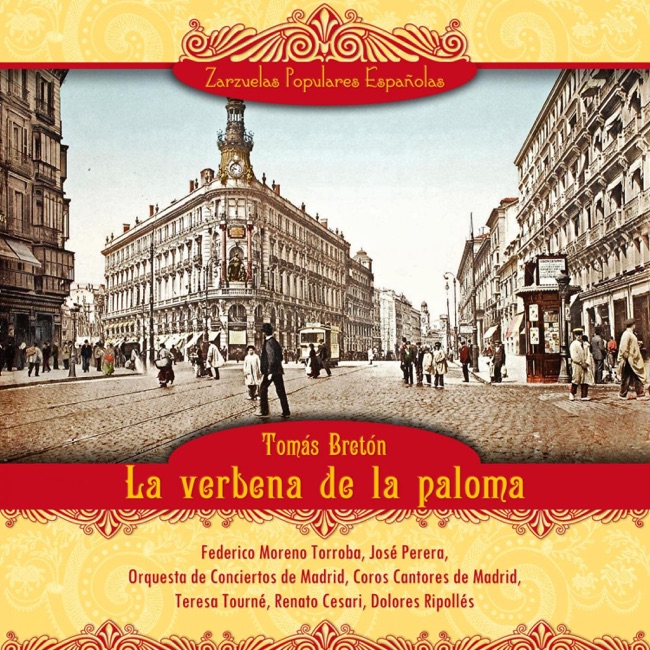 April 10, 2020
 -
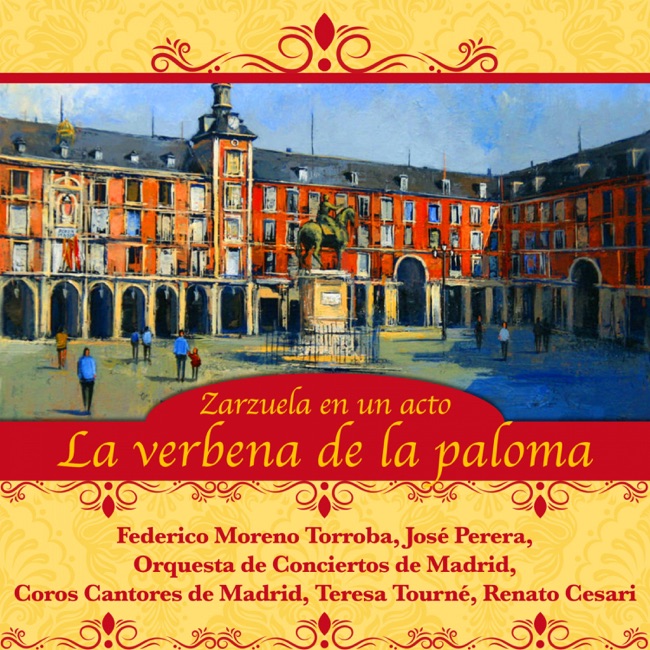 January 22, 2019
 -
 December 16, 2015
 -

-
 May 8, 2012
Orchestral
-
 February 12, 2013
 -
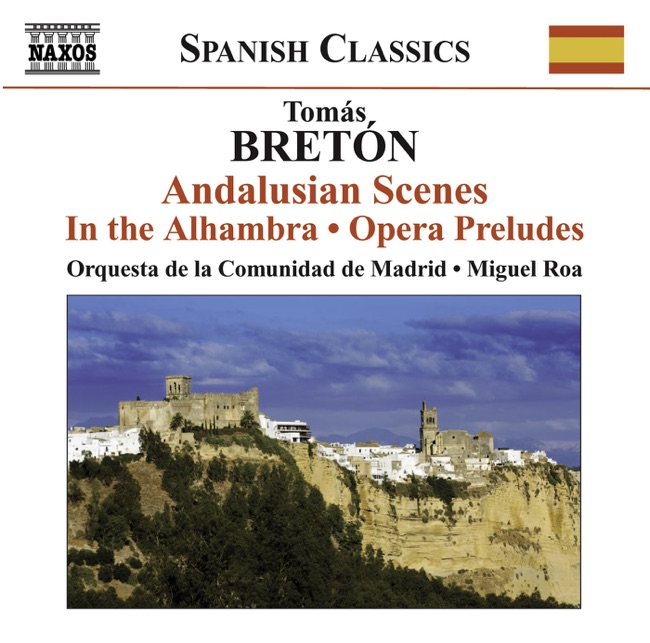 December 16, 2008
Chamber
-
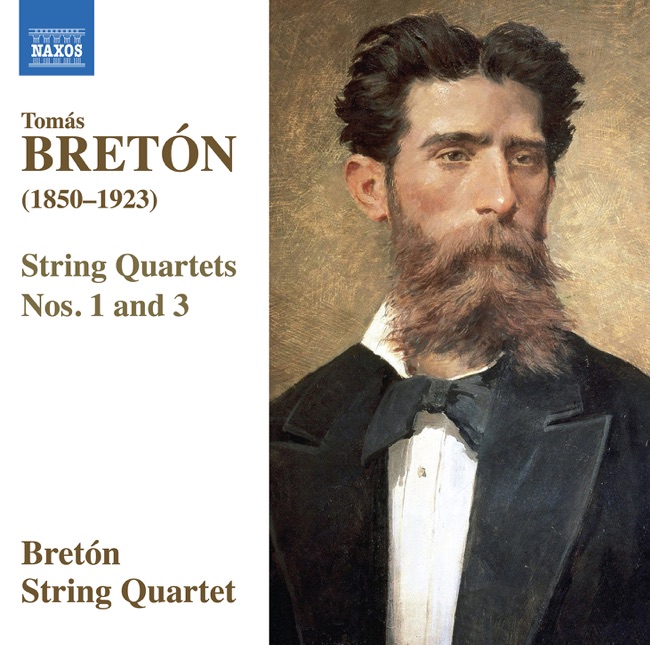 March 13, 2020
 -
 August 26, 2008
Choral
-
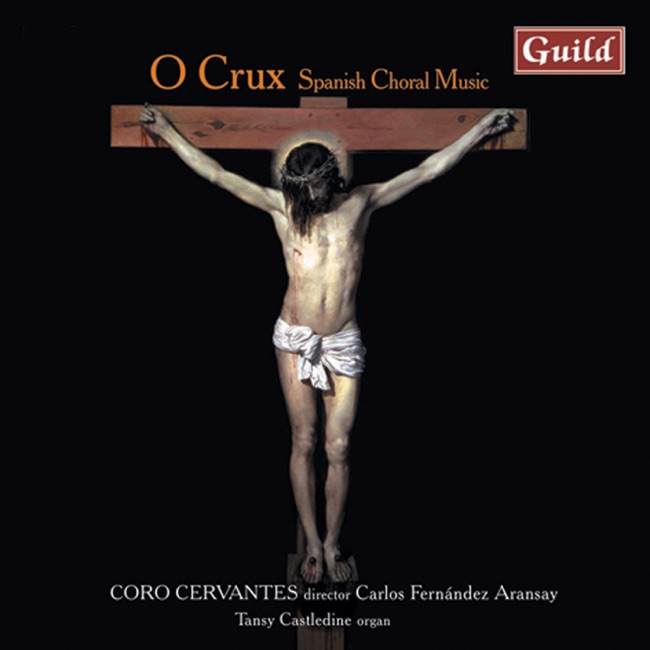 April 29, 2002
Artist Info
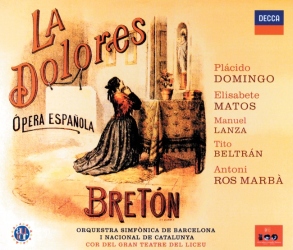
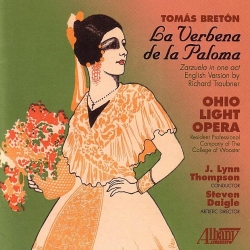
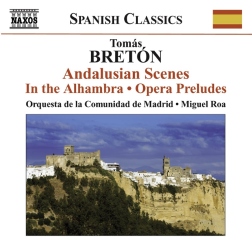
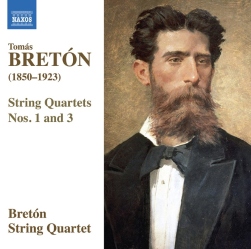
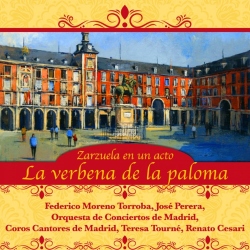
Role:ComposerCountry: SpainBirth:December 29, 1850 in Salamanca, SpainDeath:December 2, 1923 in Madrid, SpainPeriod:RomanticGenre:OperaTomás Bretón (1850-1923) was a Spanish composer and conductor who played a significant role in the development of Spanish classical music during the late 19th and early 20th centuries. Born in Salamanca, Spain, on December 29, 1850, Bretón showed an early interest in music and began studying piano and composition at a young age. Bretón's family moved to Madrid when he was a child, and he continued his musical education at the Madrid Conservatory. There, he studied under the renowned composer Emilio Arrieta and quickly established himself as a talented musician. In 1872, Bretón won the National Prize for Music for his composition "La Verbena de la Paloma," a zarzuela (a type of Spanish operetta) that would become one of his most famous works. After completing his studies at the Madrid Conservatory, Bretón began working as a conductor and composer. He served as the conductor of the Teatro de la Zarzuela in Madrid from 1886 to 1915, and during this time he composed a number of successful zarzuelas, including "Los Amantes de Teruel" and "La Dolores." Bretón's music was known for its lively rhythms, catchy melodies, and incorporation of traditional Spanish folk music. In addition to his work in the zarzuela genre, Bretón also composed a number of orchestral works, including symphonies, overtures, and suites. His most famous orchestral work is "Escenas Andaluzas," a suite of four pieces inspired by the music and culture of Andalusia. The suite includes the popular "En la Alhambra" movement, which features a hauntingly beautiful melody played by the English horn. Bretón's music was well-received during his lifetime, and he was widely regarded as one of the leading composers of his generation in Spain. He was also a respected conductor, and he led performances of many of his own works as well as those of other composers. In addition to his work in music, Bretón was also a respected music educator, and he taught at the Madrid Conservatory for many years. Despite his success, Bretón's career was not without its challenges. He struggled with health issues throughout his life, and he suffered from depression and anxiety. In addition, he faced criticism from some quarters for his use of traditional Spanish folk music in his compositions, which some felt was too populist and not sufficiently "serious" for a composer of his stature. Despite these challenges, Bretón continued to compose and conduct throughout his life, and his music remains popular in Spain and beyond. His legacy as a composer and conductor is an important part of the history of Spanish classical music, and his contributions to the zarzuela genre in particular have had a lasting impact on Spanish culture.More....
Recent Artist Music




Copyright Ⓒ 2013 Davinci Finger. All rights reseved
Service Terms & Policy