


Tamás Bródy
Released Album
Opera
-
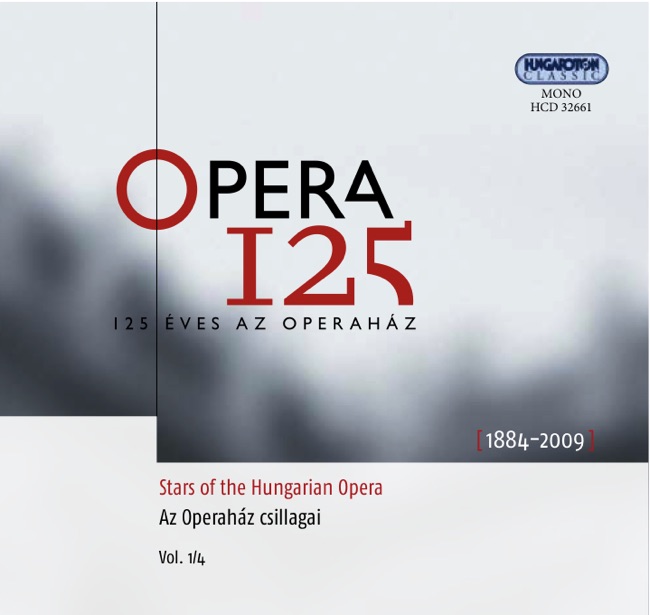 April 23, 2010
 -
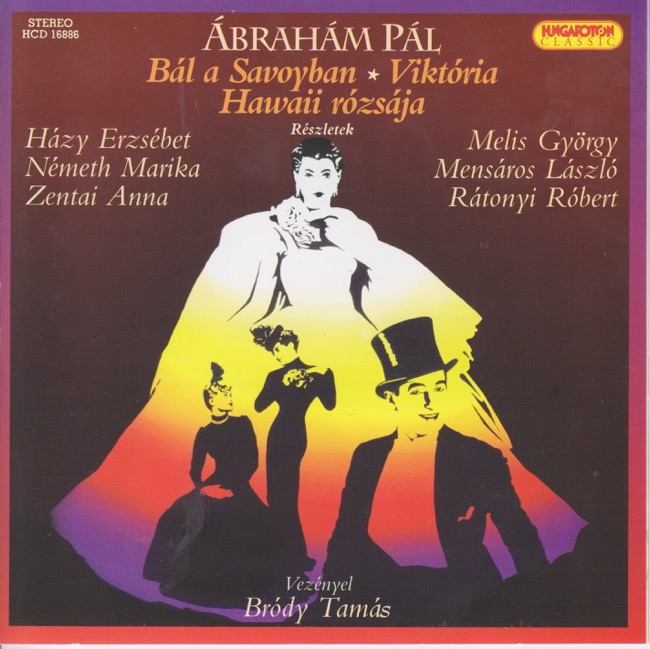 October 27, 2007
 -
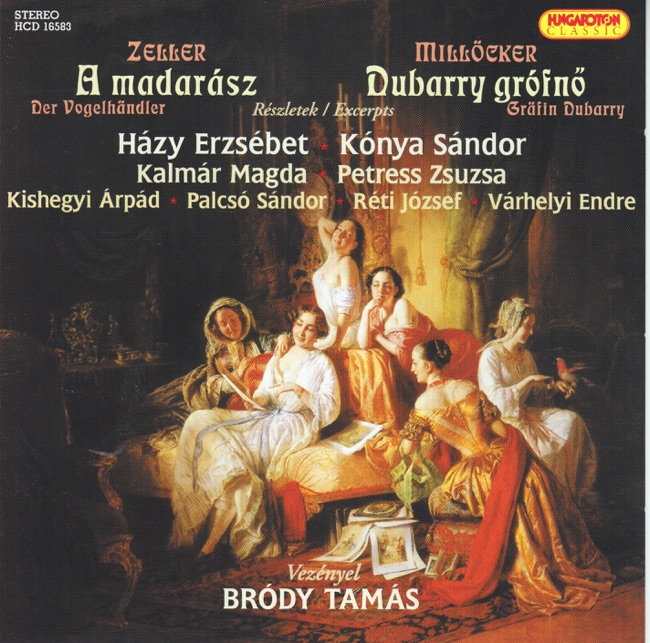 November 29, 2006
 -
 January 29, 2002
 -
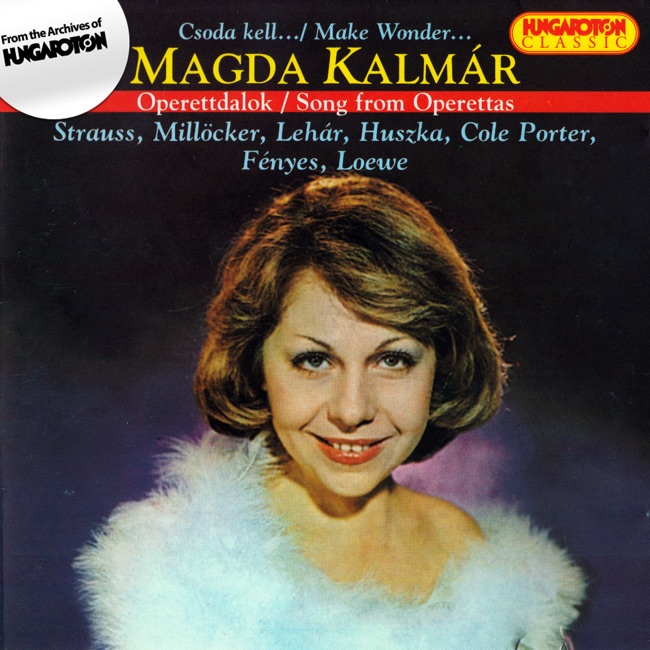 September 17, 1996
 -
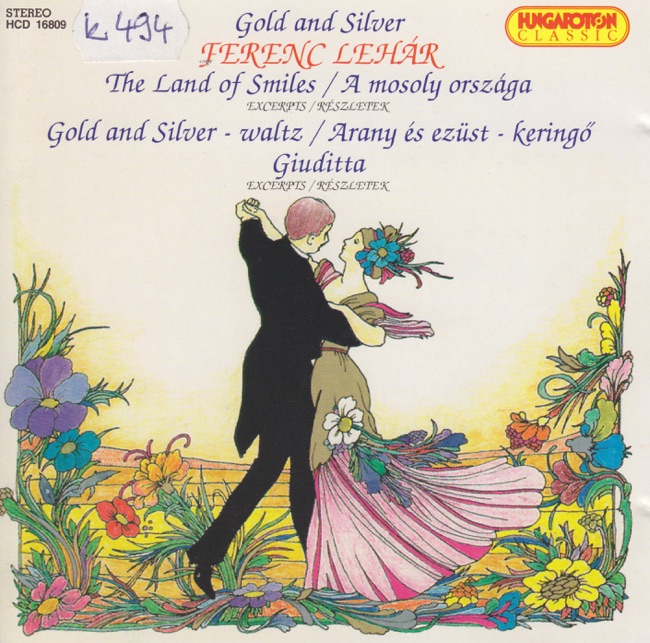 March 14, 1995
Keyboard
-
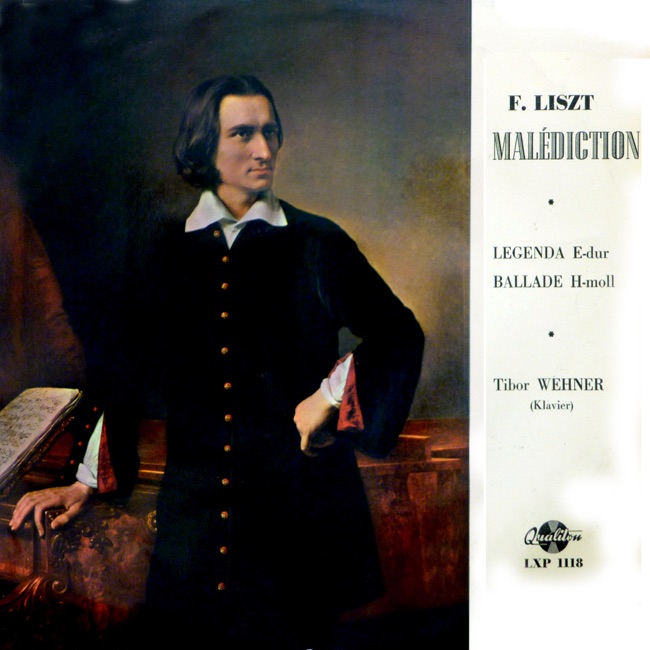 November 15, 1962
Artist Info
Role:ConductorTamás Bródy is a Hungarian classical music artist who has made a significant impact on the music industry. Born on August 5, 1946, in Budapest, Hungary, Bródy grew up in a family of musicians. His father, György Bródy, was a renowned composer, and his mother, Márta Sebestyén, was a pianist. Bródy's parents recognized his musical talent at an early age and encouraged him to pursue a career in music. Bródy began his musical education at the Franz Liszt Academy of Music in Budapest, where he studied piano and composition. He later continued his studies at the Moscow Conservatory, where he honed his skills as a pianist and composer. Bródy's talent as a musician was evident from an early age, and he quickly gained recognition for his exceptional abilities. In 1968, Bródy made his debut as a pianist with the Hungarian State Symphony Orchestra. The performance was a huge success, and Bródy quickly became a sought-after performer in Hungary. He went on to perform with many of the world's leading orchestras, including the Berlin Philharmonic, the London Symphony Orchestra, and the New York Philharmonic. Bródy's performances were always highly acclaimed, and he received numerous awards and accolades throughout his career. In 1972, he won the prestigious Franz Liszt Prize, which is awarded to outstanding Hungarian musicians. He also received the Kossuth Prize, Hungary's highest cultural award, in 1985. In addition to his work as a pianist, Bródy was also a prolific composer. He wrote music for a wide range of genres, including orchestral works, chamber music, and film scores. His compositions were often inspired by Hungarian folk music, and he was known for his ability to blend traditional Hungarian melodies with modern musical styles. One of Bródy's most famous compositions is his Piano Concerto No. 1, which he wrote in 1973. The concerto is a virtuosic showcase for the soloist, and it has become a staple of the classical piano repertoire. Bródy also wrote several operas, including "The Tragedy of Man," which is based on a famous Hungarian play. Bródy's career was not without its challenges. In the 1980s, he became involved in politics and was a vocal critic of the Hungarian government. His outspokenness led to his music being banned from the radio and television, and he was briefly imprisoned in 1989. However, Bródy continued to perform and compose throughout this period, and his music remained popular with audiences. In the years since, Bródy has continued to be an important figure in the Hungarian music scene. He has served as the artistic director of the Budapest Spring Festival and has been a professor at the Franz Liszt Academy of Music. He has also continued to perform and record, and his music remains popular with audiences around the world. In conclusion, Tamás Bródy is a highly accomplished classical music artist who has made a significant impact on the music industry. His exceptional talent as a pianist and composer has earned him numerous awards and accolades, and his music continues to be celebrated by audiences around the world. Despite facing challenges throughout his career, Bródy has remained committed to his art and has continued to inspire generations of musicians.More....
Recent Artist Music


Copyright Ⓒ 2013 Davinci Finger. All rights reseved
Service Terms & Policy