


Franz Xaver Richter
Released Album
Concerto
-
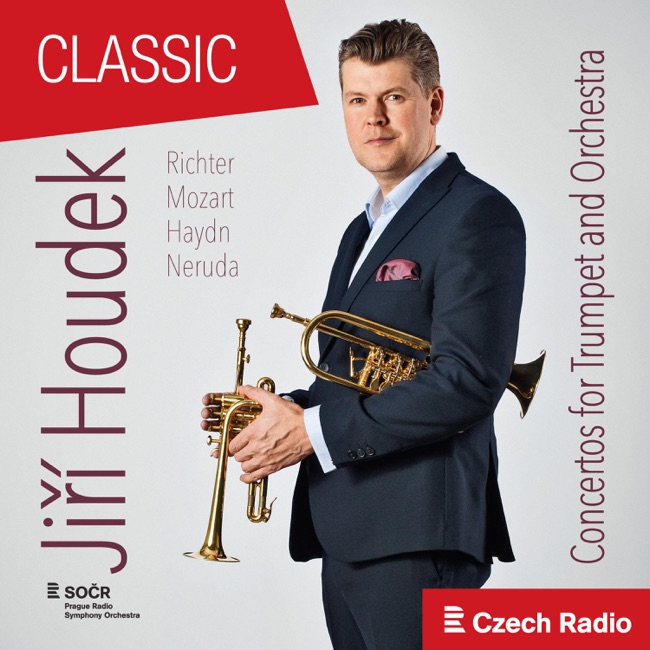 July 12, 2018
 -
 November 14, 2014
 -
 August 7, 2014
 -
 August 14, 2012
 -
 April 1, 2008
 -
 December 7, 2007
Chamber
-
 June 5, 2020
 -
 September 6, 2019
 -
 February 2, 2018
 -
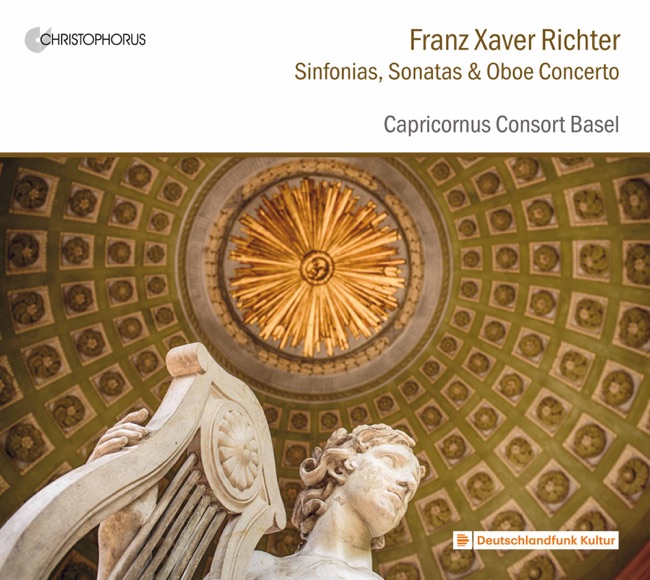 September 15, 2017
 -
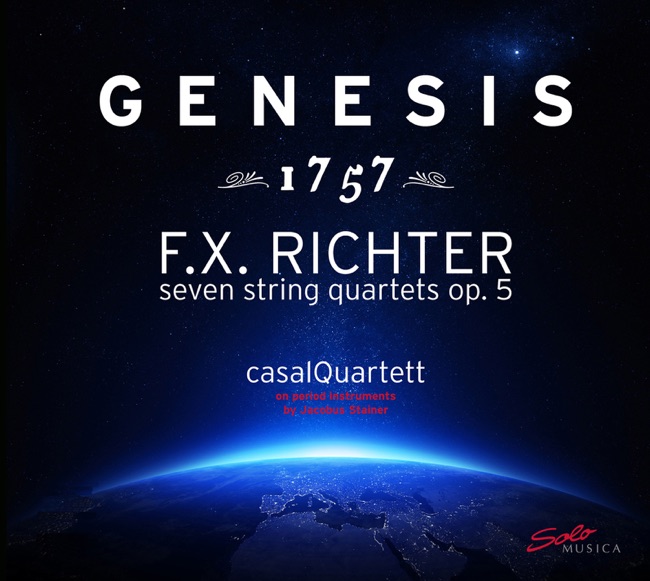 March 31, 2014
 -
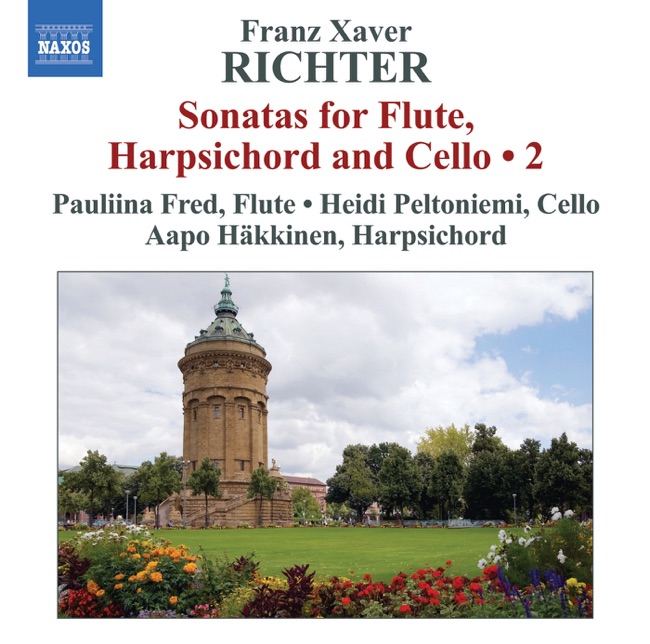 November 28, 2011
Symphony
-
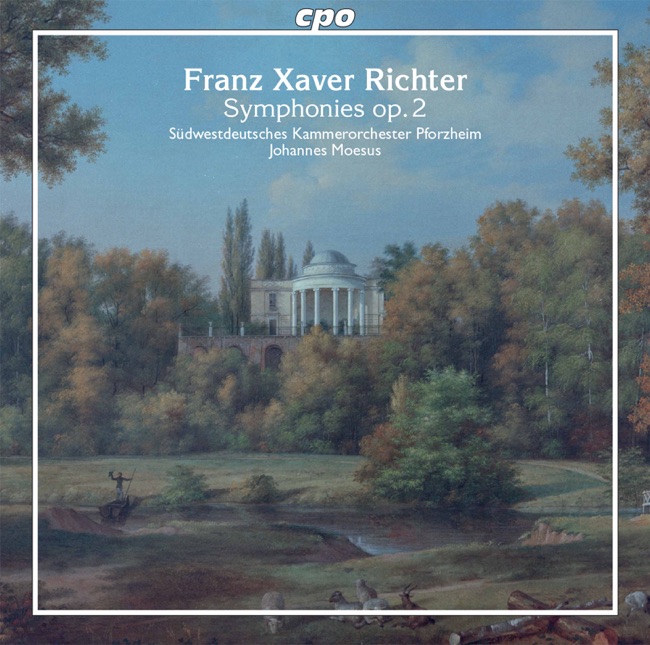 April 1, 2022
 -
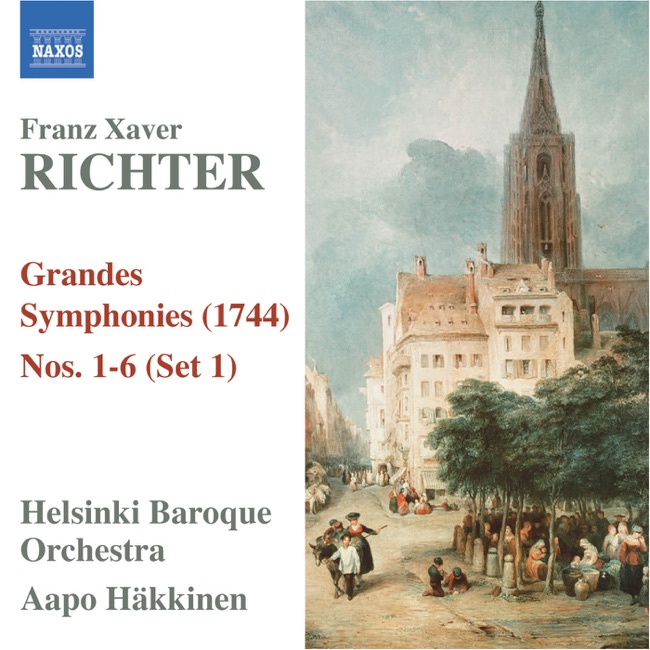 July 31, 2007
 -
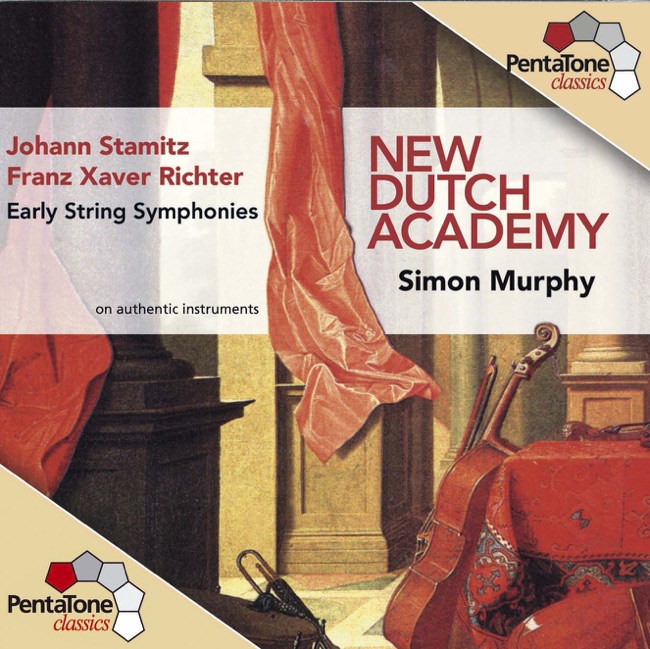
-
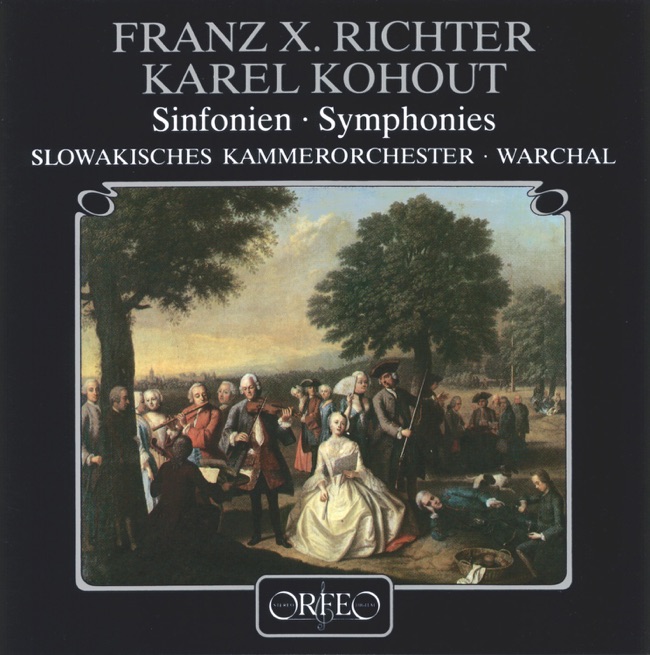 May 23, 1995
Orchestral
-
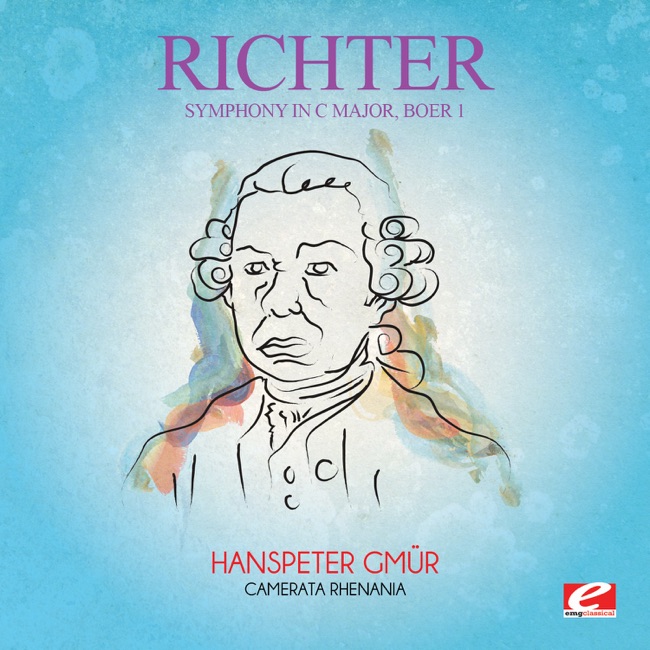 December 9, 2014
 -
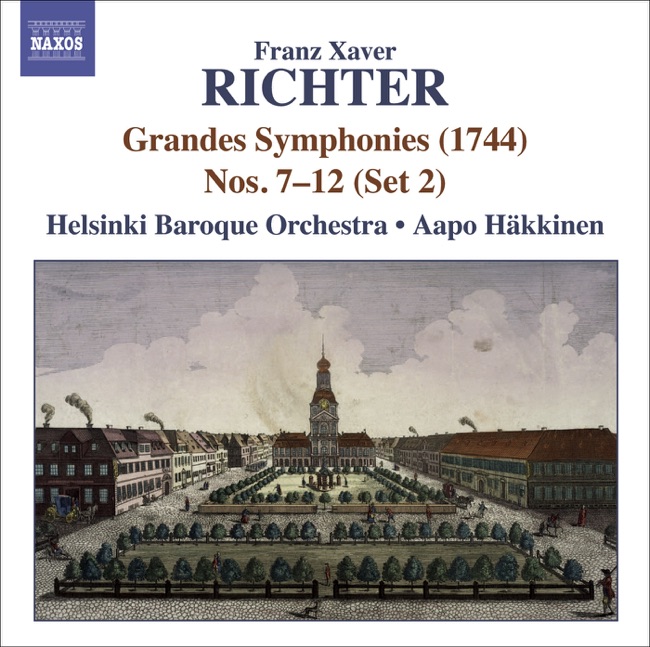
-
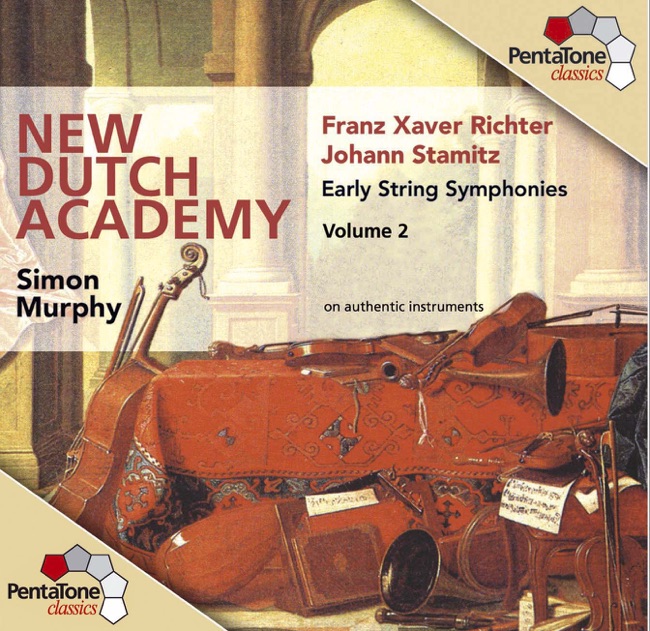
Artist Info
Role:ComposerCountry: GermanyBirth:December 1, 1709 in Holleschau, MoraviaDeath:September 12, 1789 in Strasbourg, FrancePeriod:ClassicalGenre:ChamberConcertoSymphonyFranz Xaver Richter was a prominent composer of the classical music era, born on December 1, 1709, in Holleschau, Moravia, which is now known as Holešov, Czech Republic. He was the son of a schoolmaster and organist, and his father was his first music teacher. Richter showed an early interest in music and began his musical education at a young age. Richter's musical education continued in Prague, where he studied with the famous composer Johann Joseph Fux. He also studied with the renowned violinist Johann Georg Pisendel in Dresden. Richter's talent as a composer and performer quickly became apparent, and he was soon appointed as the Kapellmeister at the court of the Prince-Bishop of Olomouc. In 1746, Richter moved to Strasbourg, where he became the Kapellmeister at the Cathedral of Notre-Dame. He remained in this position for the rest of his life, and it was during this time that he composed some of his most famous works. Richter's music is characterized by its elegance, clarity, and emotional depth. He was a master of counterpoint and harmony, and his compositions often feature complex polyphonic textures. His music was also notable for its use of chromaticism and modulation, which were innovative techniques at the time. One of Richter's most famous works is his Symphony No. 75 in C minor, which was composed in 1774. This symphony is notable for its dramatic opening, which features a powerful chord progression and a driving rhythm. The second movement is a beautiful and lyrical adagio, while the third movement is a lively minuet. The final movement is a thrilling allegro, which features a virtuosic violin solo. Another famous work by Richter is his Mass in C major, which was composed in 1760. This mass is notable for its grandeur and majesty, and it features a large orchestra and choir. The mass is divided into six movements, each of which is characterized by its own unique mood and style. Richter also composed a number of chamber music works, including his String Quartet No. 1 in D major. This work is notable for its beautiful melodies and intricate counterpoint, and it is considered to be one of Richter's finest chamber music compositions. In addition to his work as a composer, Richter was also a respected music teacher. He taught at the Strasbourg Conservatory, where his students included the famous composer Franz Joseph Haydn. Richter's influence on Haydn's music is evident in many of Haydn's compositions, which feature similar harmonic and melodic structures to Richter's music. Richter died on September 12, 1789, in Strasbourg, France. He was a prolific composer, and his music continues to be performed and admired to this day. His contributions to the development of classical music were significant, and his influence can be heard in the works of many composers who came after him.More....
Recent Artist Music
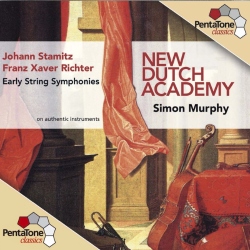
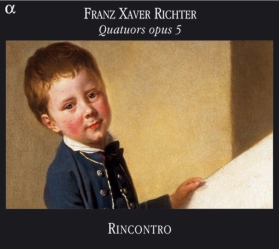
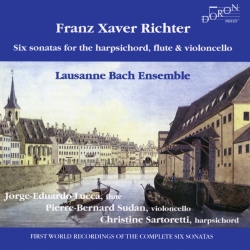
8
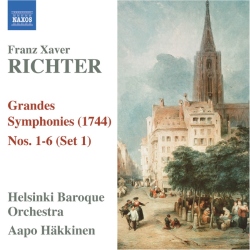
6:1
9
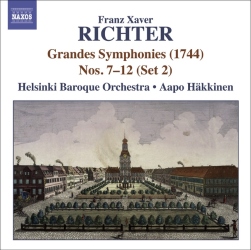
6:57
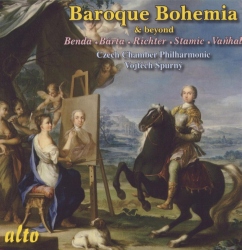
13
4:58
15
8:31
Copyright Ⓒ 2013 Davinci Finger. All rights reseved
Service Terms & Policy