Franz Xaver Richter
Sonata for flute, cello & harpsichord in C major, Op. 2/4
Released Album
Recent Album
Works Info
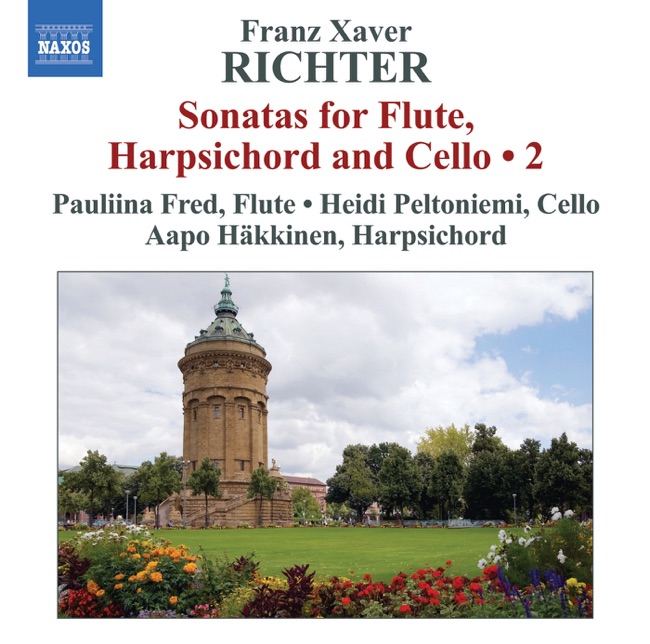
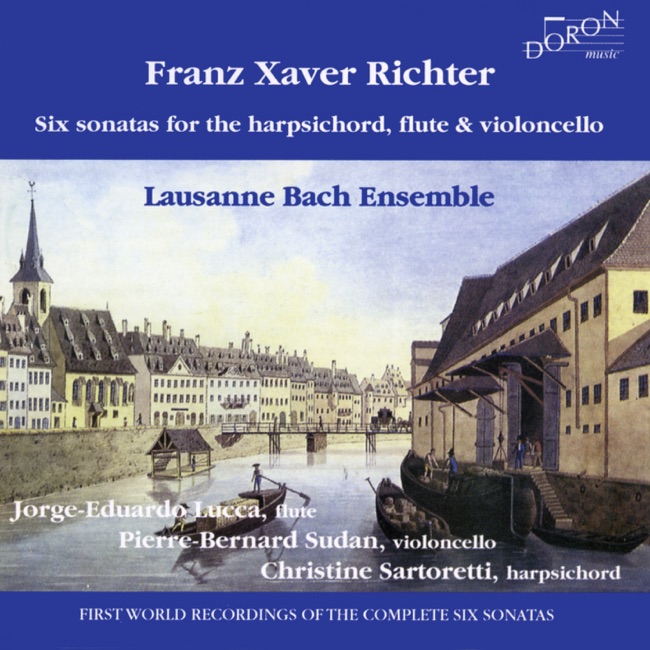
Composer:Franz Xaver RichterGenre:ChamberStyle:Chamber MusicAverage_duration:15:33Movement_count:3Movement ....The 'Sonata for flute, cello & harpsichord in C major, Op. 2/4' is a chamber music piece composed by Franz Xaver Richter. It was composed in the mid-18th century, around 1740-1750. The piece was premiered in Mannheim, Germany, where Richter was working as a court musician. The sonata consists of three movements: Allegro, Adagio, and Allegro. The first movement, Allegro, is in sonata form and features a lively and energetic melody. The second movement, Adagio, is a slow and expressive piece that showcases the flute and cello's lyrical abilities. The final movement, Allegro, is a fast and playful piece that brings the sonata to a lively conclusion. The sonata's instrumentation of flute, cello, and harpsichord is unique and was not commonly used in chamber music at the time. The harpsichord serves as both a harmonic and melodic instrument, providing a rich and full sound to the ensemble. The flute and cello have equal roles in the piece, with both instruments sharing the melody and providing counterpoint to each other. Richter's 'Sonata for flute, cello & harpsichord in C major, Op. 2/4' is a prime example of the Baroque era's chamber music. The piece showcases the composer's skill in writing for a small ensemble and his ability to create a balanced and harmonious sound with the unique instrumentation. The sonata's lively and expressive melodies, combined with its unique instrumentation, make it a standout piece in the Baroque chamber music repertoire.More....
Works Music
Released Music