


Franz Xaver Richter
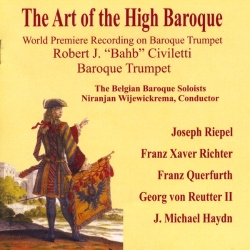
Concerto for trumpet & orchestra in D major
Released Album
Recent Album
Featured Album
Works Info
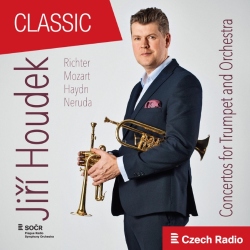
Composer:Franz Xaver RichterGenre:ConcertoStyle:ConcertoCompose Date:before 1789Average_duration:13:59Movement_count:3Movement ....Franz Xaver Richter's Concerto for trumpet & orchestra in D major is a significant work in the trumpet repertoire. It was composed in the mid-18th century, around 1750, and premiered in Mannheim, Germany. The concerto is divided into three movements: Allegro, Adagio, and Allegro. The first movement, Allegro, is characterized by its lively and energetic tempo. The trumpet plays a prominent role in this movement, with virtuosic runs and fanfare-like passages. The orchestra provides a supportive accompaniment, with a rhythmic and harmonic foundation that complements the trumpet's melodies. The second movement, Adagio, is a slow and lyrical section that showcases the trumpet's expressive capabilities. The orchestra provides a delicate and understated accompaniment, allowing the trumpet to take center stage. The movement features long, sustained notes and melodic lines that require a great deal of control and sensitivity from the soloist. The final movement, Allegro, returns to the lively and energetic tempo of the first movement. The trumpet once again takes center stage, with fast runs and virtuosic passages that demonstrate the soloist's technical prowess. The orchestra provides a lively and rhythmic accompaniment, with syncopated rhythms and playful melodies. Overall, Richter's Concerto for trumpet & orchestra in D major is a challenging and rewarding work for both the soloist and the orchestra. It requires a high level of technical skill and musical sensitivity from the soloist, as well as a strong sense of ensemble playing from the orchestra. The concerto's lively and energetic character, combined with its expressive and lyrical moments, make it a popular choice for trumpet players and audiences alike.More....
Works Music
Released Music

6
4:58
9
4:21
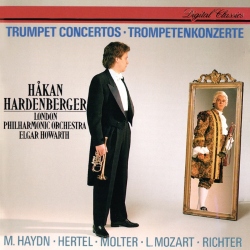
Featured Music
Main Perform Artists