


Maurice Greene
Released Album
Choral
-
 January 26, 2018
 -
 September 9, 2016
 -
 June 9, 2015
 -
 May 5, 2015
 -
 July 30, 2013
 -
 April 5, 2011
Miscellaneous
-
 December 3, 2012
Keyboard
-
-
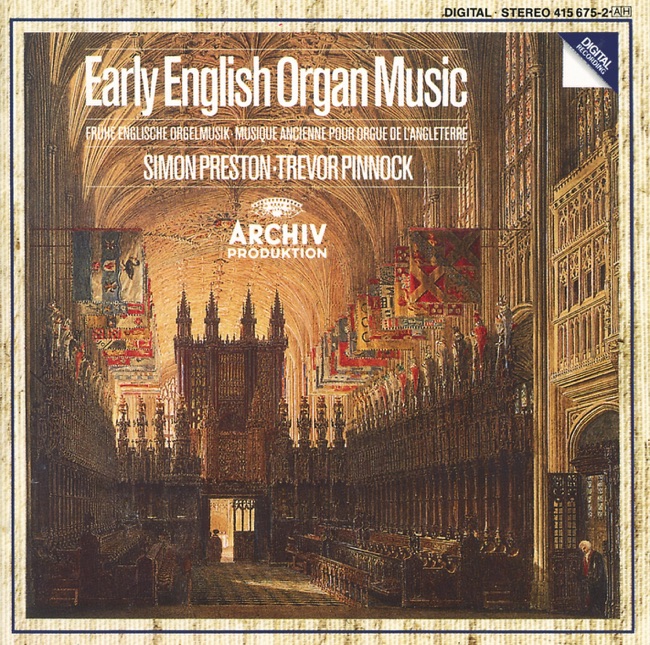 July 3, 2007
Artist Info
Role:ComposerBirth:August 12, 1696Death:December 1, 1755Period:BaroqueGenre:ChoralKeyboardMaurice Greene was a prominent English composer and organist of the Baroque era. He was born on August 12, 1696, in London, England, to a family of musicians. His father, Thomas Greene, was a member of the Chapel Royal and a respected bass singer, while his mother, Elizabeth, was a harpsichordist. Maurice was the youngest of their six children, and he showed an early aptitude for music. Greene received his early musical education from his father and his older brother, who was also a musician. He later studied with the renowned composer and organist William Croft, who was the Master of the Children of the Chapel Royal. In 1717, Greene was appointed as a chorister at St. Paul's Cathedral, where he received further training in music theory and composition. In 1727, Greene was appointed as the organist and composer at St. Paul's Cathedral, a position he held until his death. He was also a member of the Chapel Royal and the organist at the Chapel Royal at St. James's Palace. In addition to his church music, Greene composed a number of secular works, including operas, cantatas, and instrumental music. One of Greene's most famous works is his anthem "Lord, let me know mine end," which was written for the funeral of Queen Caroline, the wife of King George II. The anthem is a powerful and moving piece, with a hauntingly beautiful melody and rich harmonies. It has become one of the most popular funeral anthems in the English choral tradition. Another notable work by Greene is his opera "Phoebe," which was first performed in 1735. The opera is a pastoral comedy, with a libretto by John Dalton. It tells the story of a shepherd named Corydon, who is in love with the shepherdess Phoebe. The opera is filled with charming melodies and lively dance music, and it was well-received by audiences at the time. Greene's instrumental music includes a number of sonatas for various instruments, including the harpsichord, violin, and flute. His sonatas are characterized by their elegant melodies and intricate counterpoint, and they are considered to be some of the finest examples of Baroque chamber music. In addition to his work as a composer and organist, Greene was also a respected music teacher. He taught music theory and composition to a number of students, including the composer and organist John Stanley. Greene's teaching was highly regarded, and he was known for his ability to inspire and encourage his students. Greene died on December 1, 1755, at the age of 59. He was buried in the crypt of St. Paul's Cathedral, where he had served as organist for nearly 30 years. His legacy as a composer and musician lives on, and his music continues to be performed and enjoyed by audiences around the world.More....
Recent Artist Music
15
2:54
Copyright Ⓒ 2013 Davinci Finger. All rights reseved
Service Terms & Policy