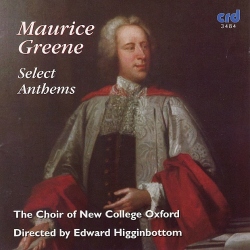
Maurice Greene
Voluntary for organ No. 1 in G major
Released Album
Recent Album
Featured Album
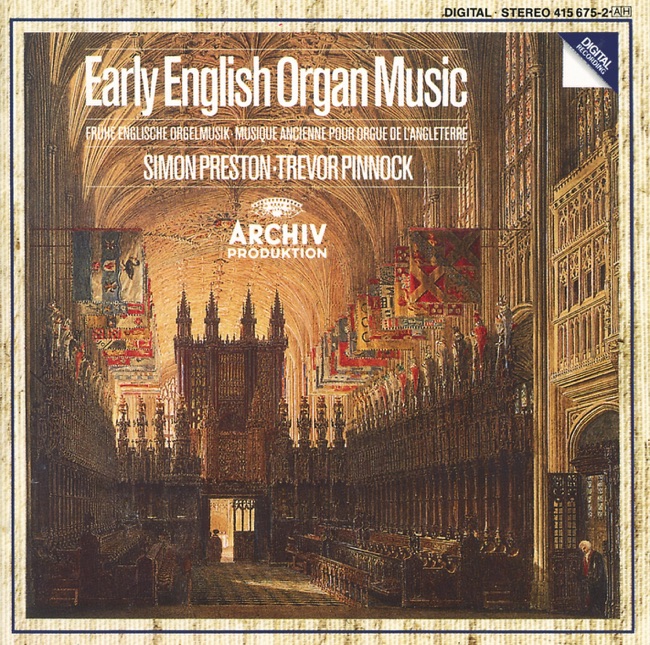
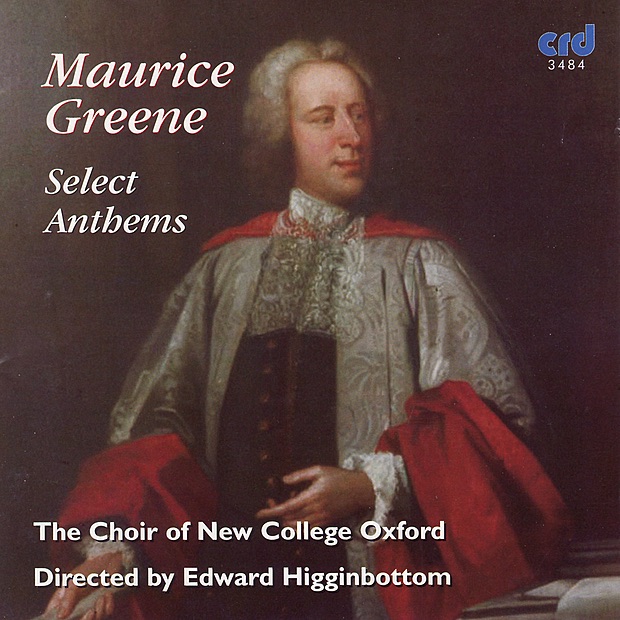
Works Info
Composer:Maurice GreeneGenre:KeyboardStyle:VoluntaryAverage_duration:4:57Maurice Greene's 'Voluntary for organ No. 1 in G major' is a piece of music that was composed for the organ. It was written in the Baroque era, which was a time when music was characterized by its ornate and complex melodies. The piece was composed in the year 1737, and it was first premiered in London, England. The 'Voluntary for organ No. 1 in G major' is divided into three movements. The first movement is marked as 'Allegro', which means that it should be played at a fast tempo. This movement is characterized by its lively and energetic melody, which is played on the organ's upper registers. The second movement is marked as 'Adagio', which means that it should be played at a slow tempo. This movement is characterized by its gentle and soothing melody, which is played on the organ's lower registers. The third movement is marked as 'Allegro', which means that it should be played at a fast tempo. This movement is characterized by its lively and energetic melody, which is played on the organ's upper registers. The 'Voluntary for organ No. 1 in G major' is a piece of music that is characterized by its complex and ornate melodies. It is a piece that requires a high level of technical skill to play, as it involves playing complex melodies on the organ's upper and lower registers. The piece is also characterized by its use of counterpoint, which is a technique that involves playing multiple melodies at the same time. Overall, the 'Voluntary for organ No. 1 in G major' is a piece of music that is a testament to Maurice Greene's skill as a composer. It is a piece that is still played and enjoyed by organists today, and it is a piece that continues to inspire and delight audiences around the world.More....
Works Music
Released Music
Featured Music