


Cyril Scott
Released Album
Keyboard
-
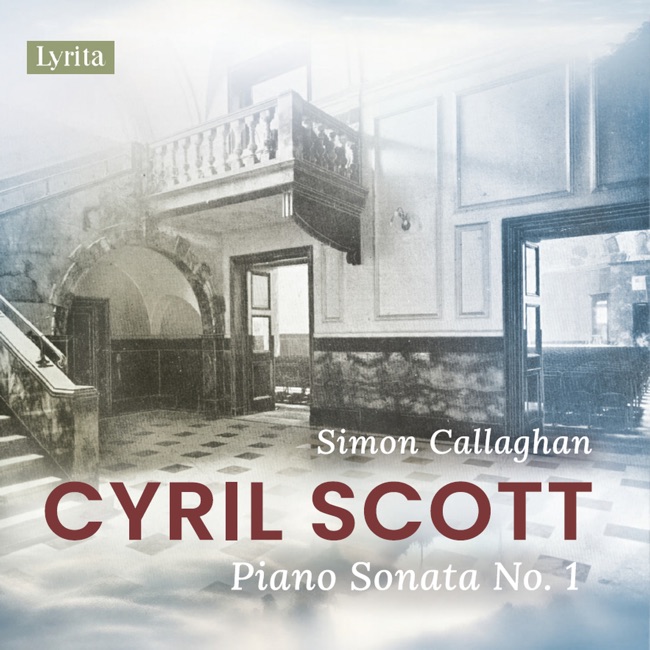 April 5, 2024
 -
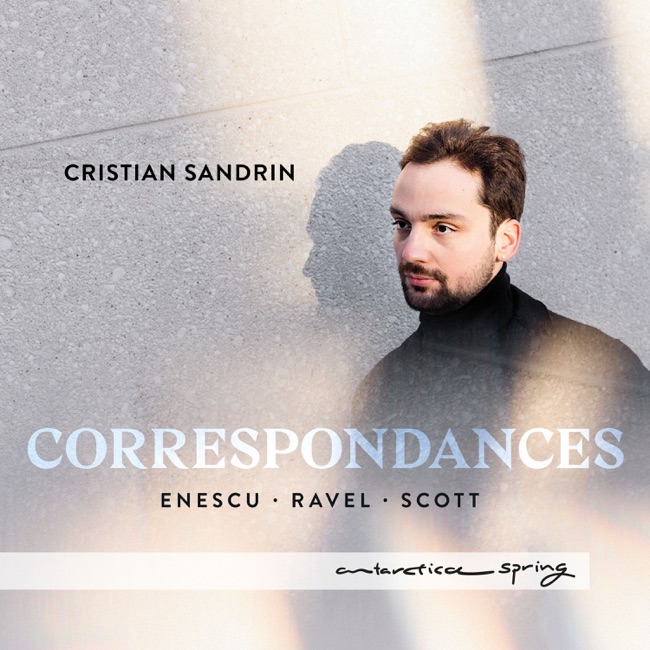 April 21, 2023
 -
 March 28, 2023
 -
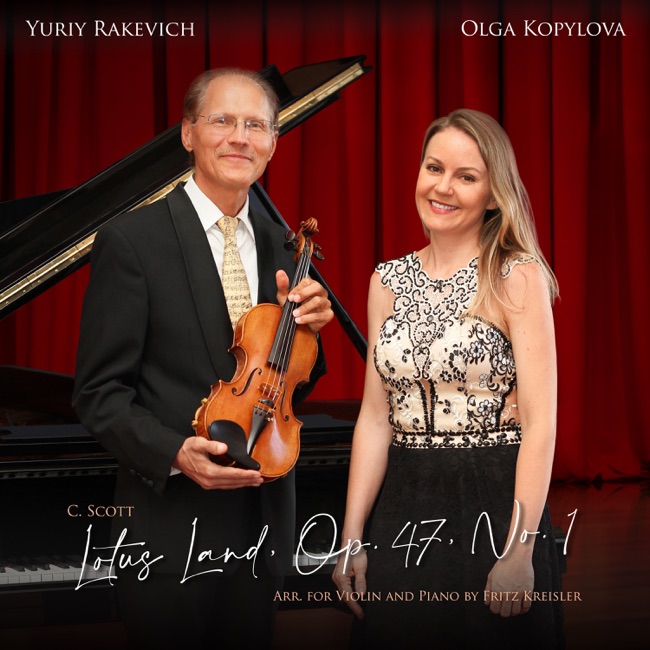
-
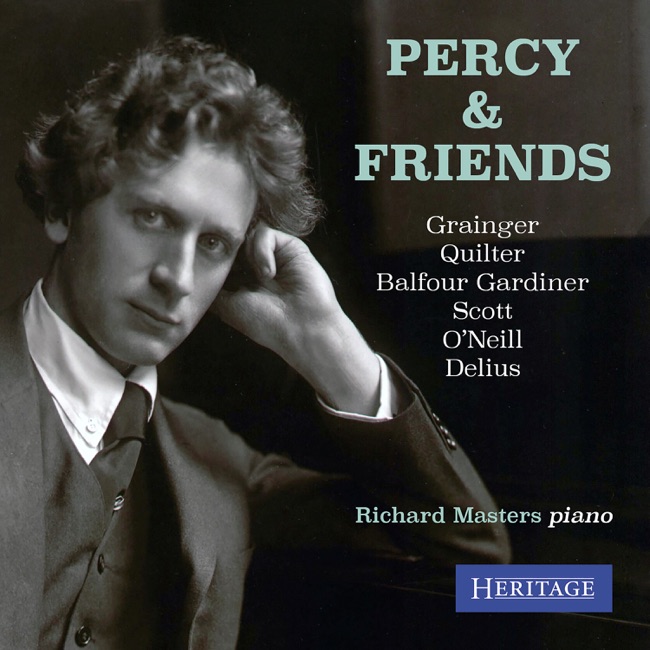 January 31, 2020
 -
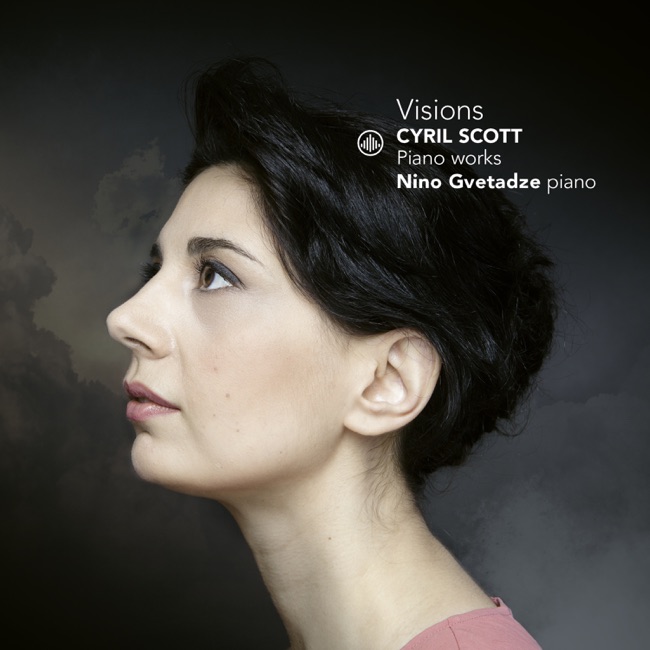 October 25, 2019
Chamber
-
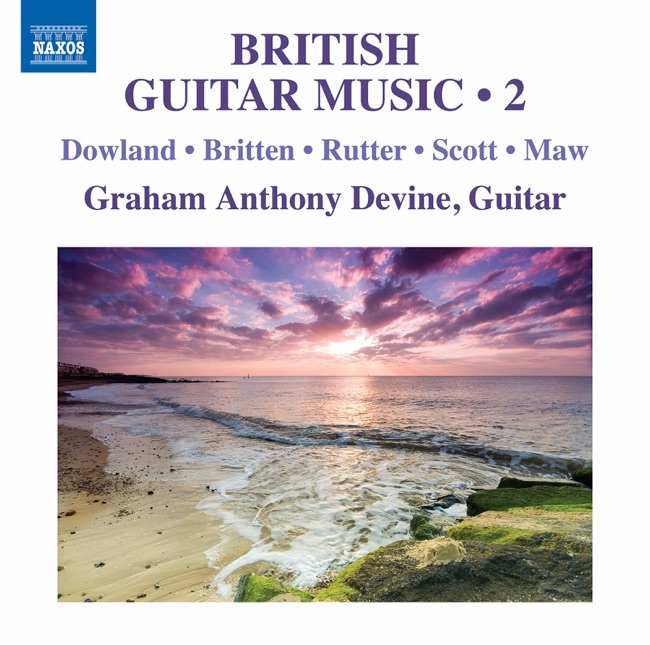
-
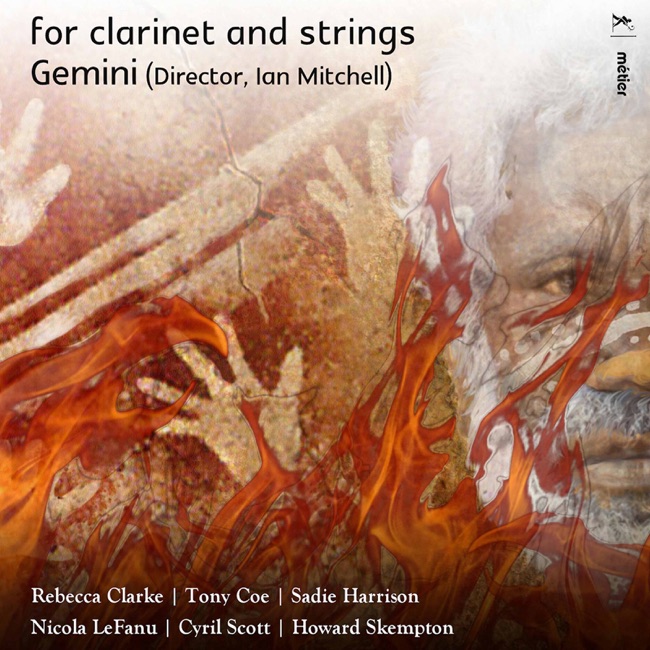 March 5, 2021
 -
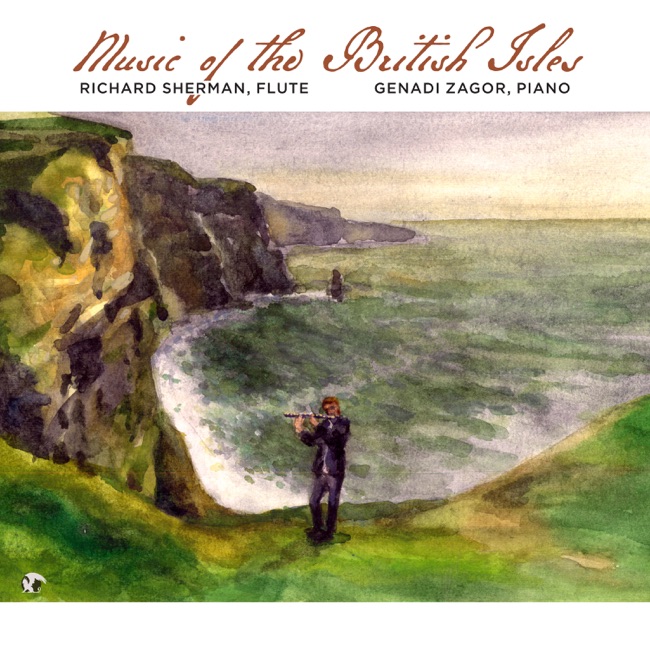 September 10, 2019
 -
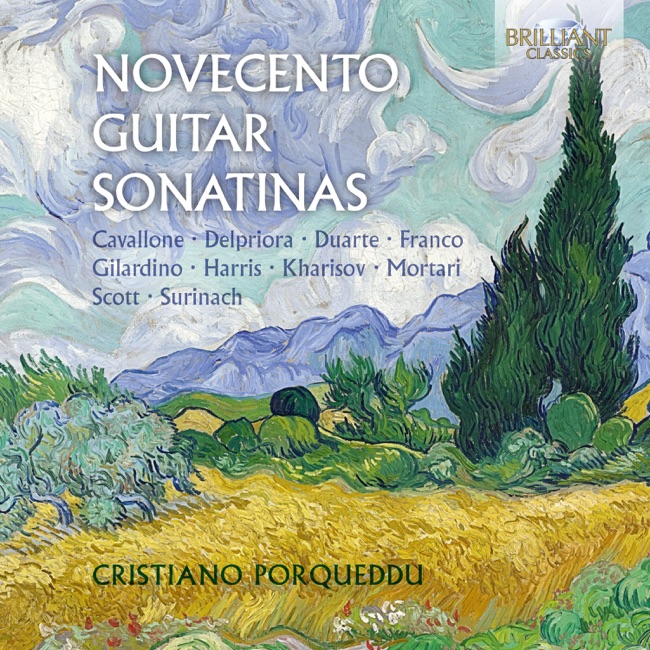 July 5, 2019
 -
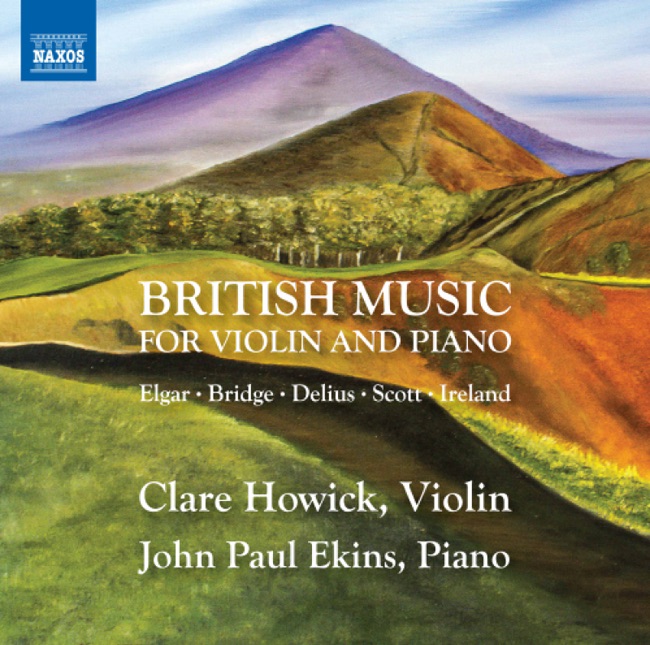 September 8, 2017
 -
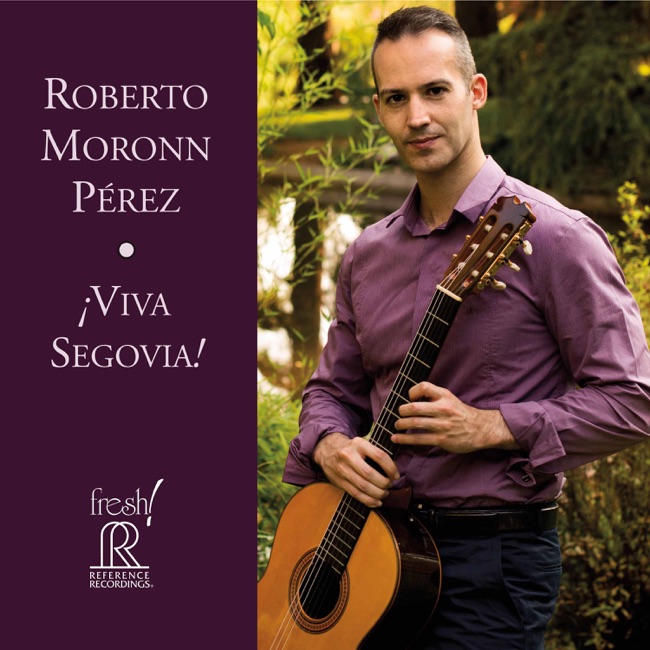 March 17, 2017
Vocal
-
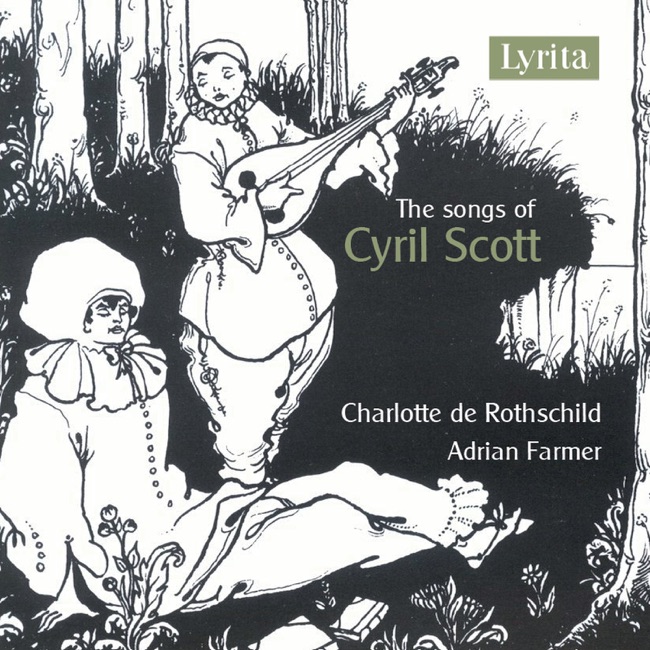 May 4, 2018
 -
 February 27, 2001
 -
 September 5, 1995
 -
 January 1, 1992
Concerto
-
 May 4, 2018
 -
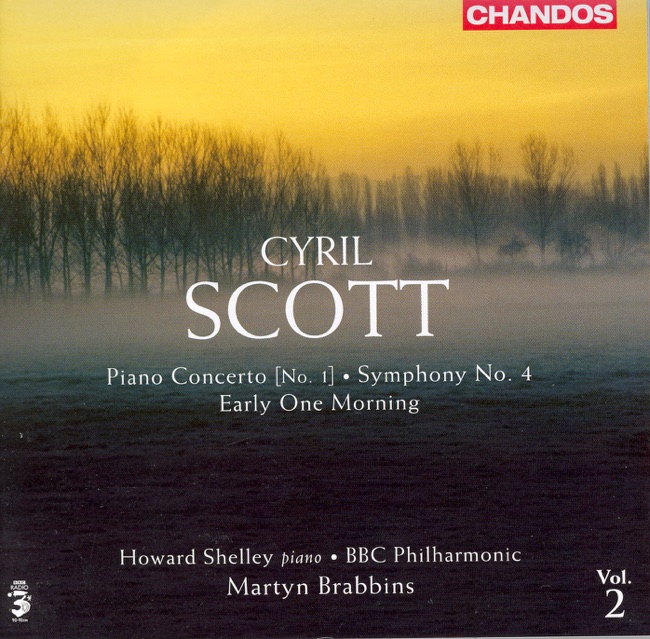
Artist Info
Role:ComposerCountry: United KingdomBirth:September 27, 1879 in Oxton, CheshireDeath:December 31, 1970 in Eastbourne, Sussex, EnglandPeriod:ContemporaryModernGenre:KeyboardVocalCyril Scott was a British composer, pianist, and writer who was born on September 27, 1879, in Oxton, Cheshire, England. He was the youngest of six children and grew up in a musical family. His father, John Scott, was a successful businessman who also played the organ and piano, while his mother, Mary, was a talented singer. Scott showed an early interest in music and began playing the piano at the age of four. He received his first formal music lessons from his father and later studied with several prominent teachers, including Tobias Matthay and Percy Grainger. He also attended the Royal Academy of Music in London, where he studied composition with Frederick Corder. Scott's early compositions were heavily influenced by the Romantic tradition, particularly the music of Chopin and Liszt. He also drew inspiration from the works of Debussy and other French composers, as well as from the mystical and esoteric teachings of Theosophy, which he had been introduced to by his sister. In 1902, Scott made his debut as a pianist at the Bechstein Hall in London, performing his own compositions as well as works by Chopin and Liszt. He quickly gained a reputation as a virtuoso pianist and composer, and his music was performed by many of the leading musicians of the day, including the pianist Harold Bauer and the conductor Sir Henry Wood. Scott's early works include a number of piano pieces, such as the Three Pierrot Pieces and the Lotus Land, which are characterized by their lush harmonies and impressionistic textures. He also wrote several orchestral works, including the Symphony No. 1 and the Overture to a Greek Comedy, which show the influence of Wagner and Strauss. In 1912, Scott published a book entitled The Philosophy of Modernism in its Connection with Music, in which he argued that music should be seen as a spiritual art form that could help to elevate humanity. The book was well received and helped to establish Scott as a leading figure in the musical avant-garde. During World War I, Scott served in the British Army as a musician, playing the piano for wounded soldiers in hospitals. After the war, he continued to compose and perform, and his music became increasingly experimental and modernist in style. He also became interested in Eastern philosophy and spirituality, and his music began to reflect these influences. In the 1920s and 1930s, Scott wrote a number of works that are now considered to be among his most important, including the Piano Concerto No. 1, the Symphony No. 2, and the String Quartet No. 1. These works are characterized by their complex harmonies, intricate rhythms, and innovative use of orchestration. Scott also wrote a number of works for the stage, including the ballets Neptune and Triton and The Masque of the Gods, as well as several operas, including The Alchemist and The Eve of St. Agnes. These works show Scott's interest in mythology and the occult, as well as his fascination with the possibilities of music as a dramatic art form. In addition to his work as a composer, Scott was also a prolific writer and lecturer. He wrote several books on music and spirituality, including Music: Its Secret Influence Throughout the Ages and The Initiate: Some Impressions of a Great Soul. He also gave lectures on music and philosophy, and was a frequent contributor to Theosophical journals.More....
Recent Artist Music
12
4:44

15
4:13
Recommend Playlist




Copyright Ⓒ 2013 Davinci Finger. All rights reseved
Service Terms & Policy