


Antonio Rosetti
Released Album
Concerto
-
 December 31, 2021
 -
 October 15, 2021
 -
 January 15, 2021
 -
-
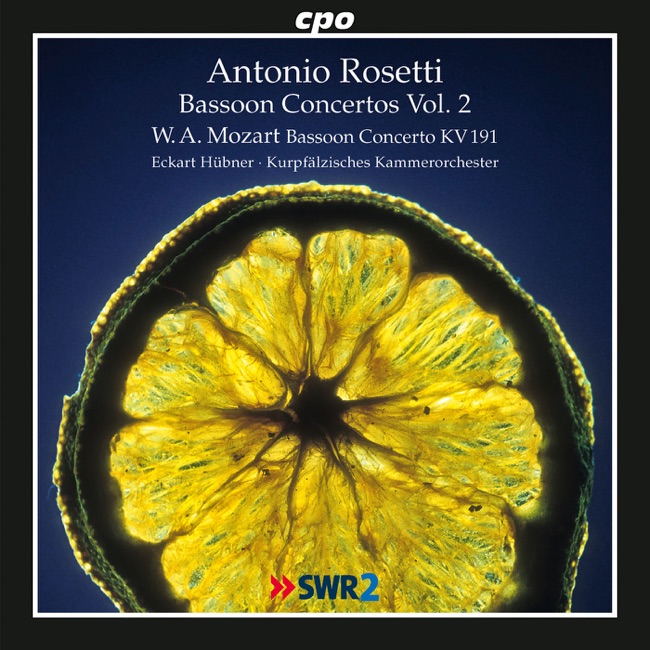 October 1, 2012
 -
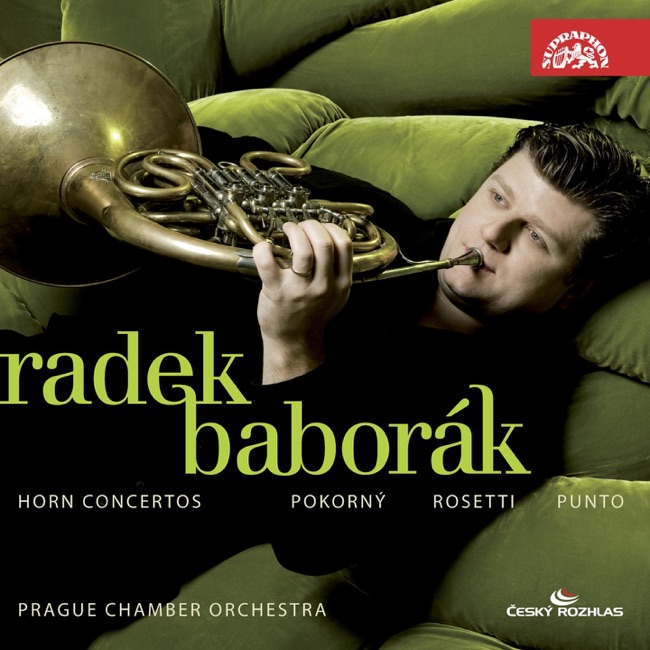 February 12, 2010
Chamber
-
 June 5, 2020
 -
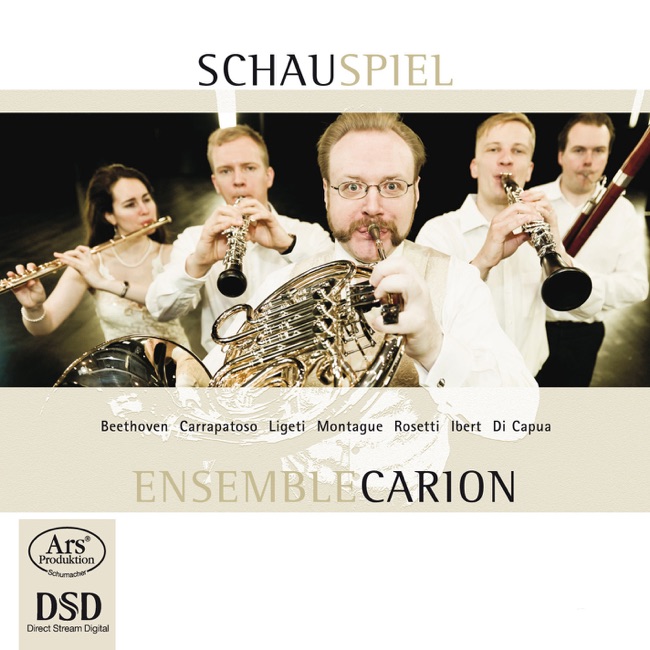 December 9, 2013
 -
 August 26, 2013
 -
 November 12, 2008
 -
 May 29, 2007
 -
 May 8, 2007
Symphony
-
 June 23, 2017
 -
 February 26, 2016
 -
 November 4, 2014
 -
 July 5, 2011
 -
 June 28, 2011
 -
Band
-
 April 17, 2020
Artist Info
Role:Composer PerformerCountry: Czech RepublicBirth:1750 in Leitmeritz, Czech RepublicDeath:June 30, 1792Period:ClassicalGenre:ChamberConcertoSymphonyAntonio Rosetti was a classical music composer who was born in Leitmeritz, Bohemia (now Litoměřice, Czech Republic) in 1750. He was baptized as Franz Anton Rösler, but later changed his name to the Italian-sounding Antonio Rosetti. Not much is known about his early life, but it is believed that he received his musical education in Prague, where he studied with the composer and violinist František Xaver Dušek. Rosetti began his career as a musician in the service of Count Franz von Thun-Hohenstein, who was the governor of the Bohemian lands. He worked as a double bass player in the count's orchestra, and it was during this time that he began to compose his own music. In 1773, Rosetti left the count's service and moved to Vienna, where he worked as a freelance musician and composer. In Vienna, Rosetti became associated with the Mannheim school of composers, which was known for its innovative use of orchestration and its emphasis on the symphony as a musical form. Rosetti's own music reflects these influences, and he became known for his skillful orchestration and his ability to write music that was both technically demanding and emotionally expressive. Rosetti's most famous works are his symphonies, of which he wrote over 50. His symphonies are characterized by their use of wind instruments, particularly the horns, which Rosetti used to great effect in creating dramatic and powerful musical effects. His symphonies also feature a wide range of moods and emotions, from the joyful and exuberant to the dark and brooding. In addition to his symphonies, Rosetti also wrote a number of concertos, chamber music works, and vocal music. His concertos are notable for their virtuosic solo parts, particularly for the horn and the bassoon. His chamber music works include string quartets, quintets, and sextets, as well as a number of works for wind instruments. His vocal music includes a number of sacred works, such as masses and oratorios, as well as secular works such as operas and cantatas. Rosetti's music was highly regarded during his lifetime, and he was considered one of the leading composers of his time. His music was performed throughout Europe, and he was particularly popular in Germany and Austria. However, after his death in 1792, his music fell into obscurity, and it was not until the 20th century that his music began to be rediscovered and performed again. Today, Rosetti is recognized as an important figure in the development of classical music, particularly in the development of the symphony as a musical form. His music is characterized by its technical skill, its emotional expressiveness, and its innovative use of orchestration. His symphonies, in particular, are considered some of the finest examples of the genre from the late 18th century.More....
Recent Artist Music
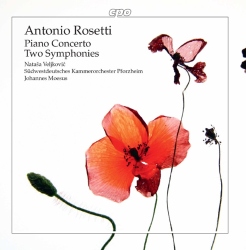
12
Concerto for piano, 2 flutes, 2 horns, strings & continuo in G major, C2/K 3:1
II. Romance. Adagio non tanto
3:7


Copyright Ⓒ 2013 Davinci Finger. All rights reseved
Service Terms & Policy