


John Linton Gardner
Released Album
Choral
-
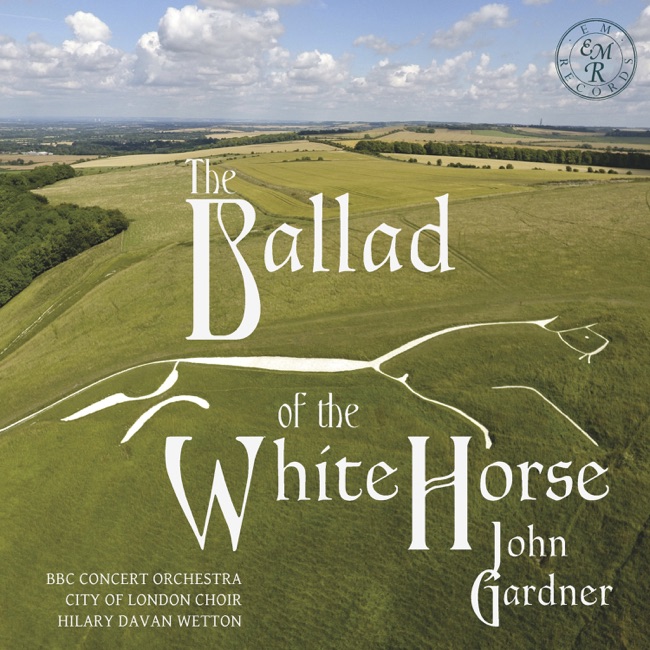 September 11, 2020
 -
 November 2, 2018
 -
 October 6, 2017
 -
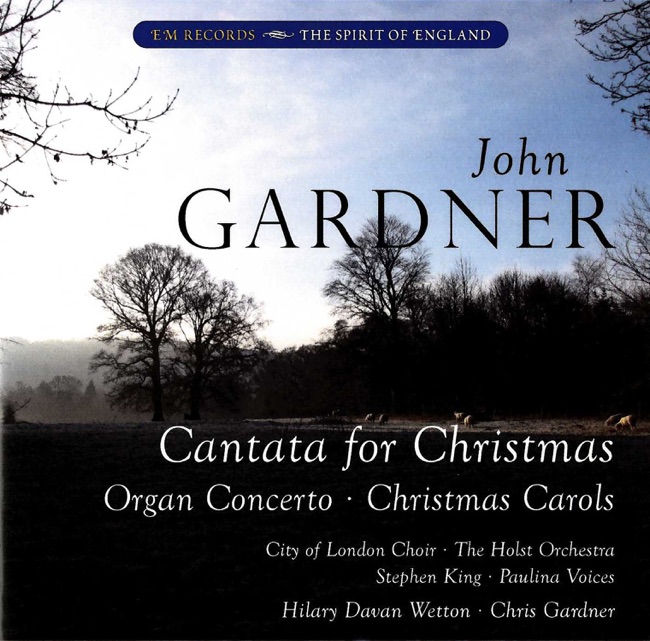 November 11, 2014
 -
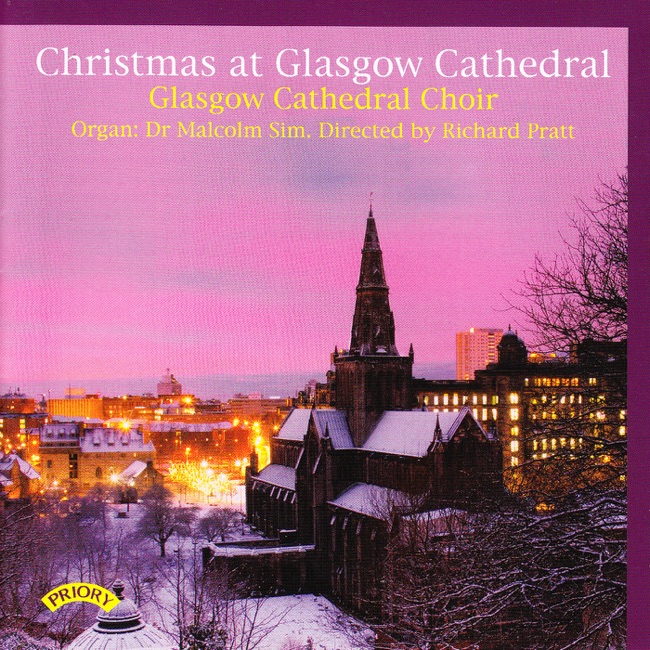 October 14, 2014
 -
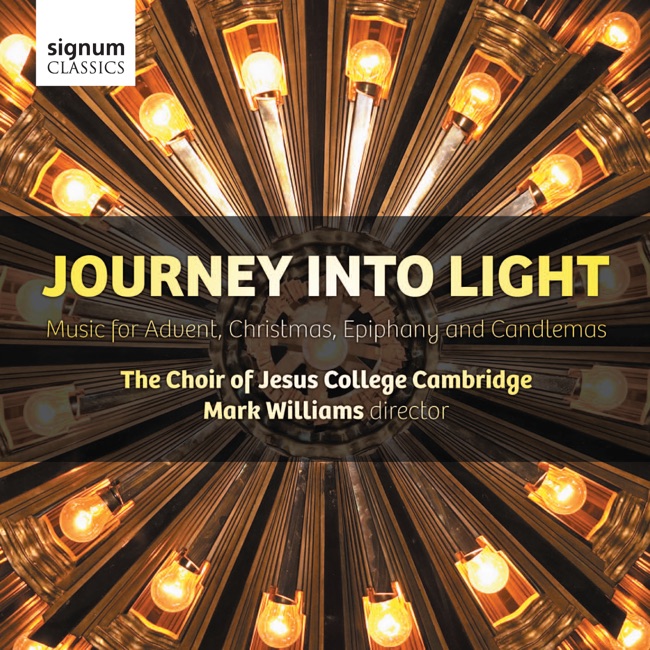
Miscellaneous
-
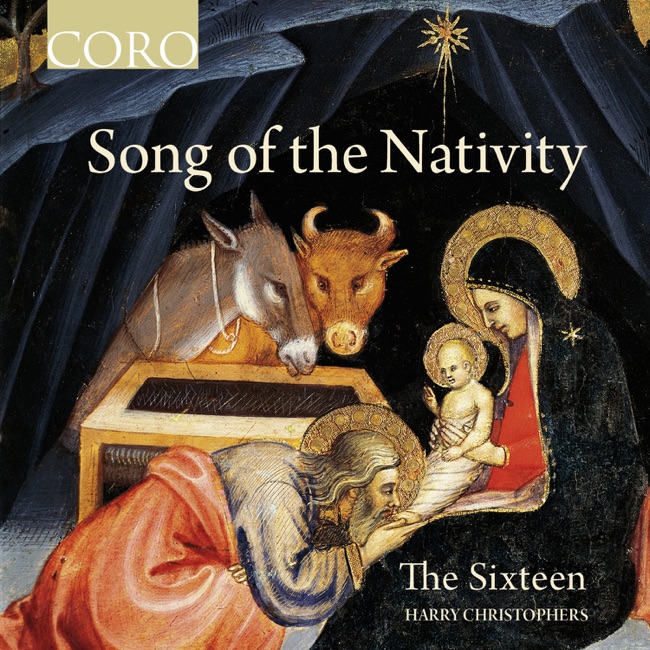 October 14, 2016
 -
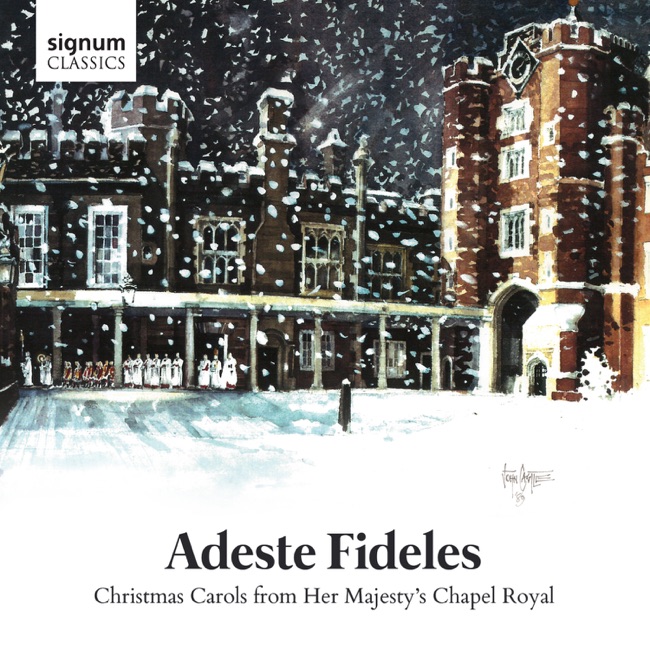 August 12, 2016
 -
 September 24, 2002
 -
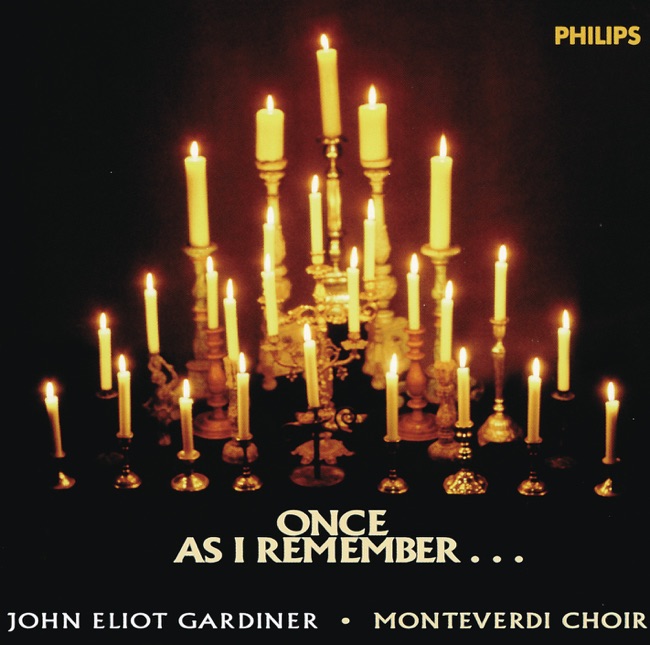 October 20, 1998
 -
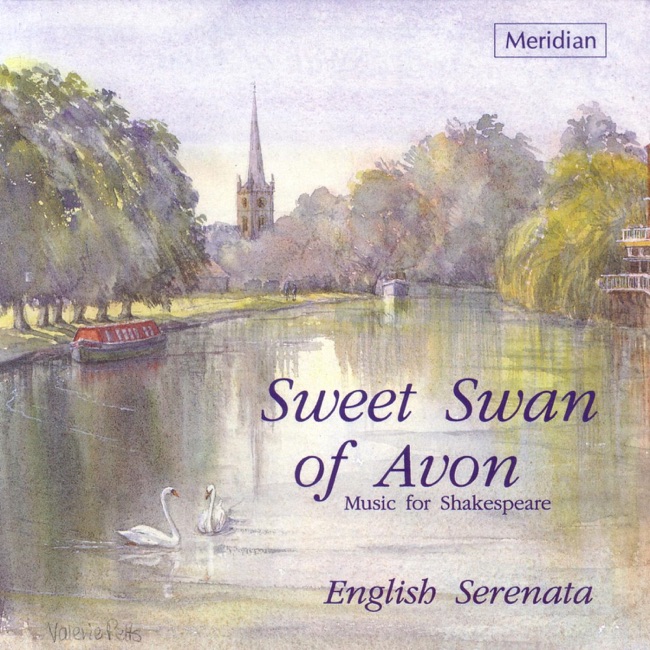 June 20, 1996
Chamber
-
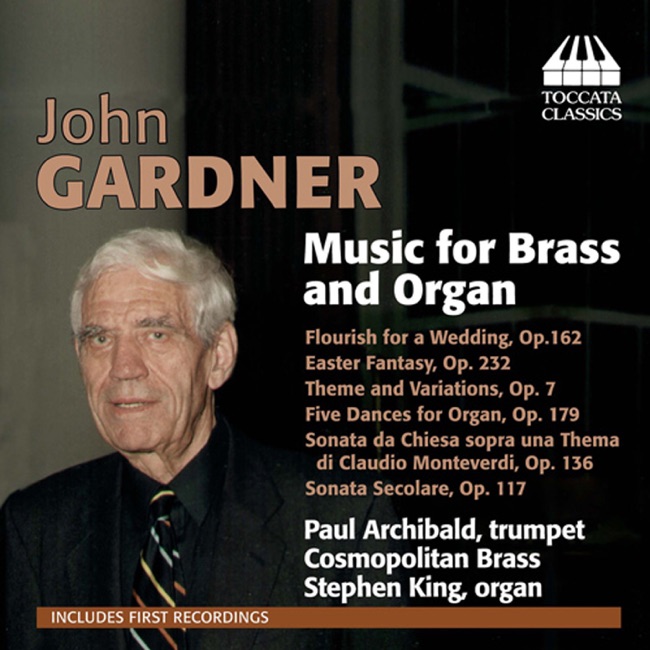 March 8, 2011
 -
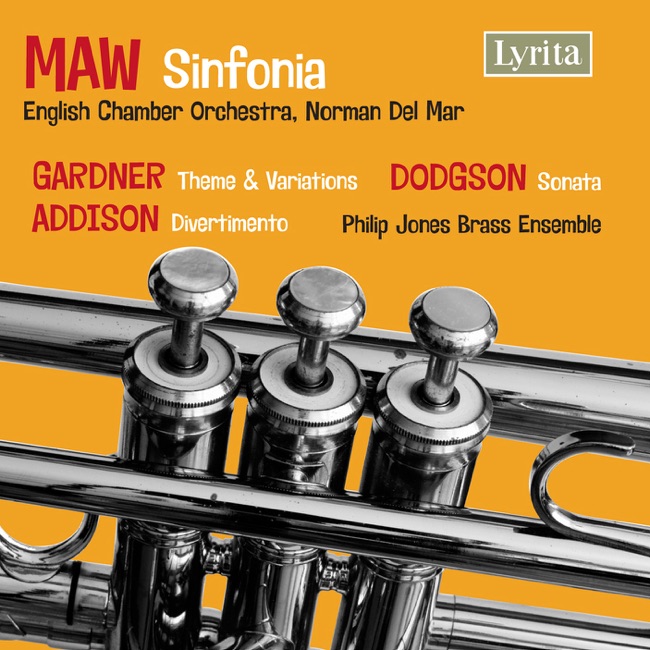
-
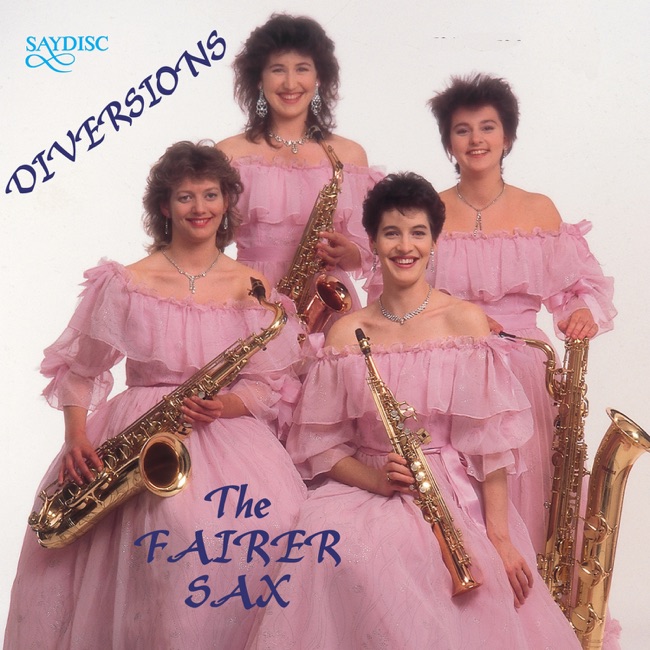 April 20, 1994
Artist Info
Role:ComposerBirth:March 2, 1917 in Manchester, EnglandDeath:December 12, 2011Period:ContemporaryModernJohn Linton Gardner was a British composer, conductor, and organist who was born on March 2, 1917, in Manchester, England. He was the son of a music teacher and grew up in a musical family. Gardner began his musical education at the age of five, learning to play the piano and the violin. He later studied at the Royal Manchester College of Music, where he was awarded a scholarship to study composition. Gardner's early compositions were influenced by the works of composers such as Gustav Holst and Ralph Vaughan Williams. He was also influenced by the music of the Baroque period, particularly the works of Johann Sebastian Bach. Gardner's early works were often choral pieces, and he became known for his skill in writing for voices. In 1940, Gardner joined the Royal Air Force and served as a pilot during World War II. After the war, he returned to his musical career and became the organist and choirmaster at St. Paul's Church in Knightsbridge, London. He also worked as a music teacher and conductor, and in 1952, he was appointed the conductor of the City of Birmingham Choir. Gardner's compositions during this period included a number of choral works, including his setting of the Magnificat and Nunc Dimittis, which was first performed in 1952. He also wrote a number of orchestral works, including his Symphony No. 1, which was first performed in 1955. In 1955, Gardner was appointed the director of music at King's School, Canterbury, a position he held until 1976. During his time at King's School, Gardner continued to compose and conduct, and he also became known for his work in music education. He was a strong advocate for the importance of music education in schools, and he wrote a number of books on the subject. Gardner's compositions during this period included a number of works for choir and orchestra, including his cantata The Ballad of Heroes, which was first performed in 1959. He also wrote a number of works for organ, including his Prelude and Fugue in C minor, which was first performed in 1961. In 1976, Gardner retired from his position at King's School and moved to Sussex. He continued to compose and conduct, and he also became involved in the local music scene. He was appointed the conductor of the Brighton Philharmonic Orchestra in 1978, a position he held until 1985. Gardner's compositions during this period included a number of works for orchestra, including his Symphony No. 2, which was first performed in 1979. He also wrote a number of works for choir, including his setting of the Requiem Mass, which was first performed in 1985. In 1985, Gardner was appointed a Commander of the Order of the British Empire (CBE) for his services to music. He continued to compose and conduct until his death on December 12, 2011, at the age of 94. Gardner's compositions are known for their clarity and simplicity, and he was often praised for his ability to write music that was accessible to a wide audience. His works often drew on traditional forms and structures, and he was known for his use of counterpoint and harmony. Some of Gardner's most notable works include his setting of the Magnificat and Nunc Dimittis, his cantata The Ballad of Heroes, and his Requiem Mass. He also wrote a number of works for organ, including his Prelude and Fugue in C minor and his Sonata for Organ. Gardner's legacy as a composer and conductor continues to be celebrated today.More....
Recent Artist Music
5
9:54
7
1:55

Copyright Ⓒ 2013 Davinci Finger. All rights reseved
Service Terms & Policy