


Joseph Messner
Released Album
Choral
-
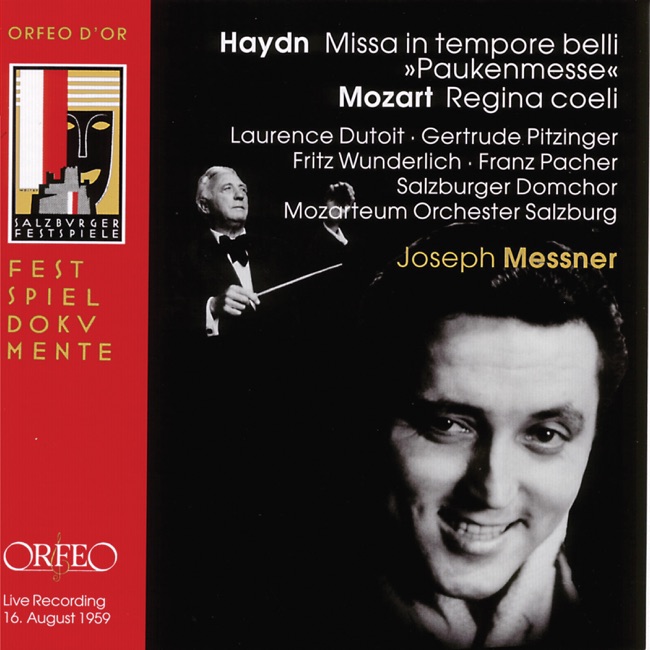
-
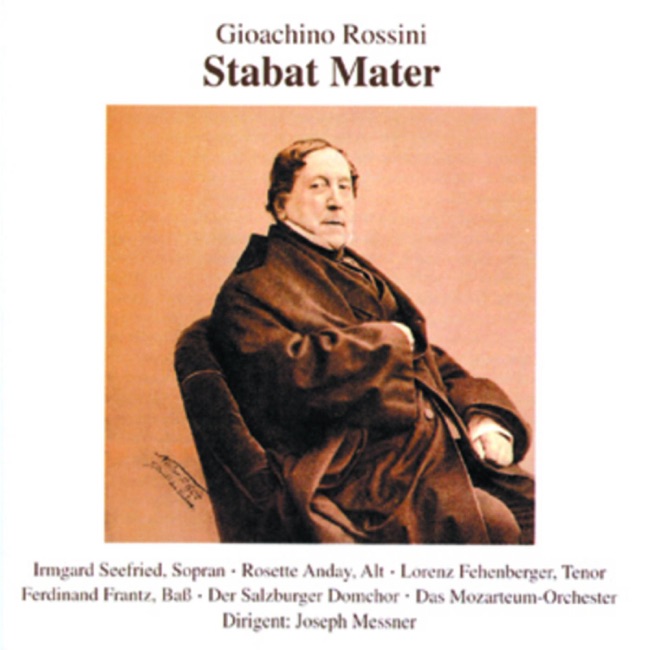 January 10, 2000
 -
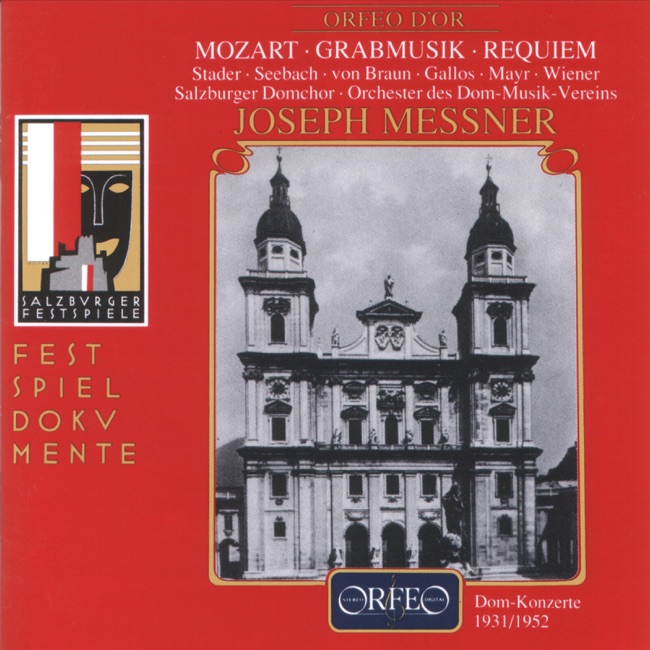 April 20, 1996
Keyboard
-
 September 11, 2015
 -
 September 9, 2014
Orchestral
-
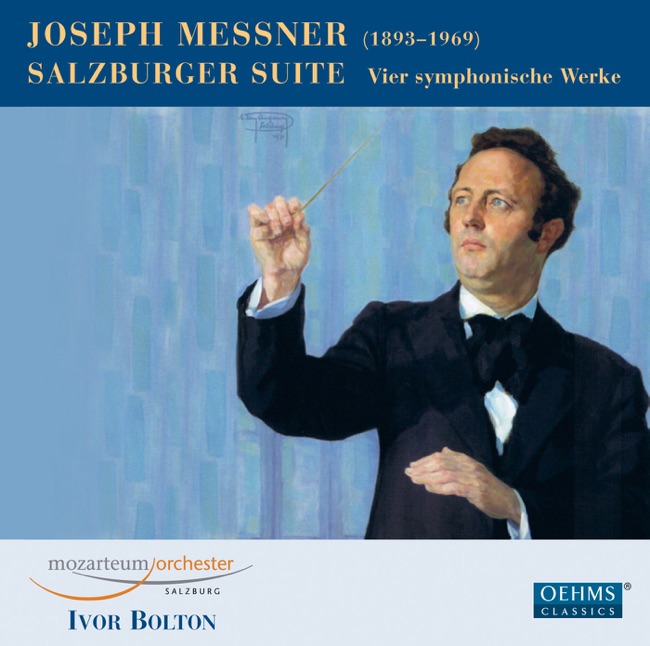 August 31, 2010
Opera
-
 February 7, 1995
Artist Info
Role:Composer Conductor PerformerCountry: AustriaBirth:February 27, 1893Death:February 23, 1969Period:ClassicalRomanticModernGenre:ChamberChoralKeyboardJoseph Messner was a renowned classical music artist who made significant contributions to the world of music. He was born on August 3, 1893, in the small town of Oberammergau, Germany. Messner was the youngest of six children, and his family was deeply involved in music. His father was a choir director, and his mother was a singer. Messner's siblings were also musically inclined, and they all played various instruments. Messner's musical journey began at a young age when he started playing the piano. He showed exceptional talent and quickly became proficient in playing the instrument. His father recognized his talent and encouraged him to pursue music seriously. Messner started taking piano lessons from his father and later from other renowned pianists in the region. In 1911, Messner enrolled at the Munich Conservatory, where he studied piano, composition, and conducting. He was an exceptional student and quickly gained recognition for his talent. Messner's professors were impressed with his skills and encouraged him to pursue a career in music. After completing his studies, Messner started working as a pianist and conductor in various orchestras in Germany. He gained a reputation for his exceptional skills and was soon invited to perform in other countries. Messner's performances were well-received, and he quickly gained a following. In 1923, Messner was appointed as the conductor of the Munich Philharmonic Orchestra. This was a significant achievement for him, and he worked hard to make the orchestra one of the best in the world. Messner's leadership and musical skills were instrumental in the orchestra's success, and he remained the conductor until 1933. During his tenure as the conductor of the Munich Philharmonic Orchestra, Messner also composed several pieces of music. His compositions were well-received, and he gained recognition as a composer. Messner's music was known for its complexity and emotional depth, and it was often compared to the works of other great composers like Beethoven and Mozart. In 1933, Messner was forced to resign from his position as the conductor of the Munich Philharmonic Orchestra due to political reasons. The Nazi party had come to power in Germany, and Messner's Jewish heritage made him a target. He was forced to flee the country and seek refuge in Switzerland. Despite the challenges he faced, Messner continued to compose music and perform in various countries. He gained recognition for his exceptional skills and was invited to perform in some of the world's most prestigious concert halls. Messner's performances were always well-received, and he gained a reputation as one of the best pianists and conductors of his time. In 1948, Messner was invited to the United States to perform at the Carnegie Hall in New York City. This was a significant achievement for him, and he was excited to perform in front of an American audience. Messner's performance was a huge success, and he received a standing ovation from the audience. After his performance at the Carnegie Hall, Messner was invited to perform in other cities in the United States. He gained a following in the country, and his performances were always well-received. Messner also started teaching music at various universities in the United States, and he was known for his exceptional skills as a teacher. In 1953, Messner was awarded the prestigious Pulitzer Prize for Music for his composition, "Symphony No.More....
Recent Artist Music
1
2:42
2
8:8
7

4:50

Copyright Ⓒ 2013 Davinci Finger. All rights reseved
Service Terms & Policy