


Alan Rawsthorne
Released Album
Chamber
-
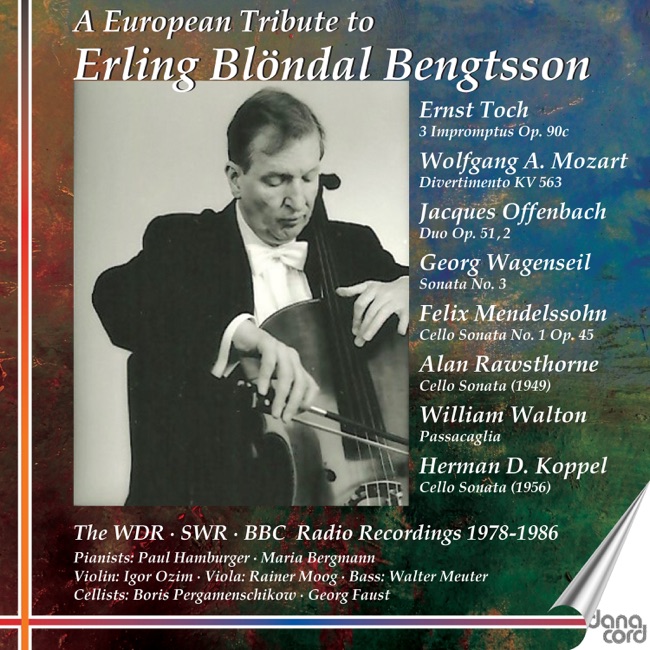 May 5, 2020
 -
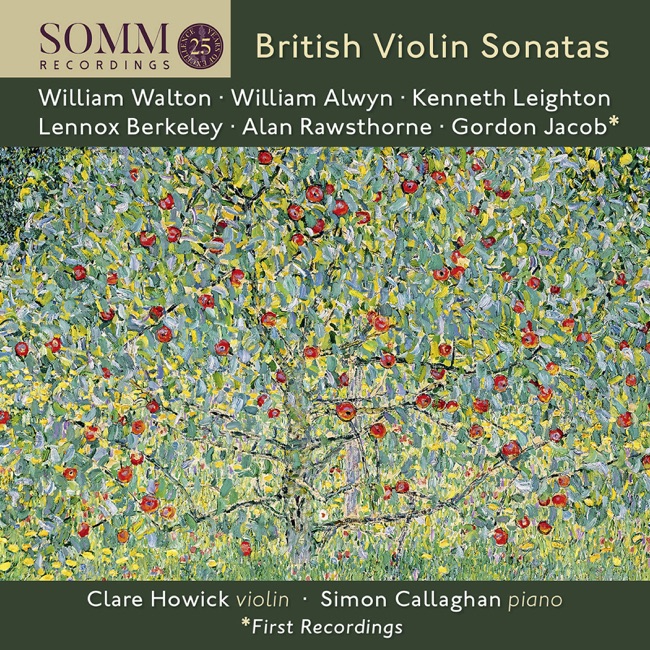 March 20, 2020
 -
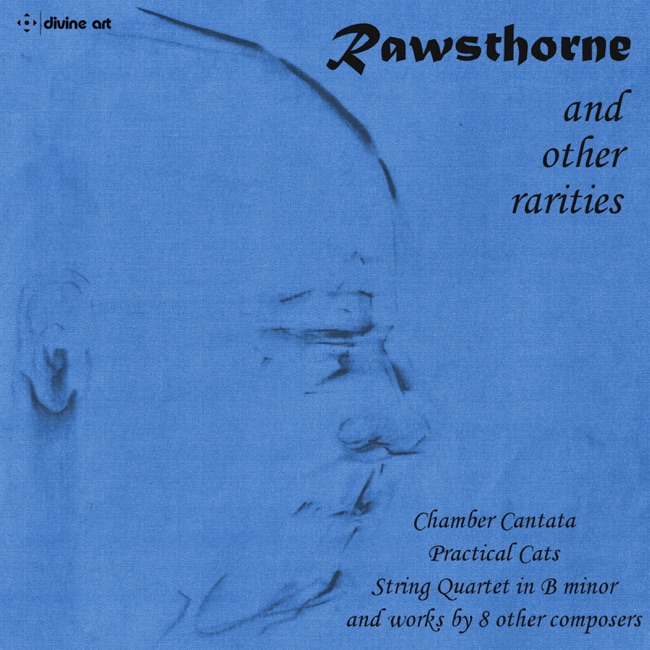 June 15, 2018
 -

-
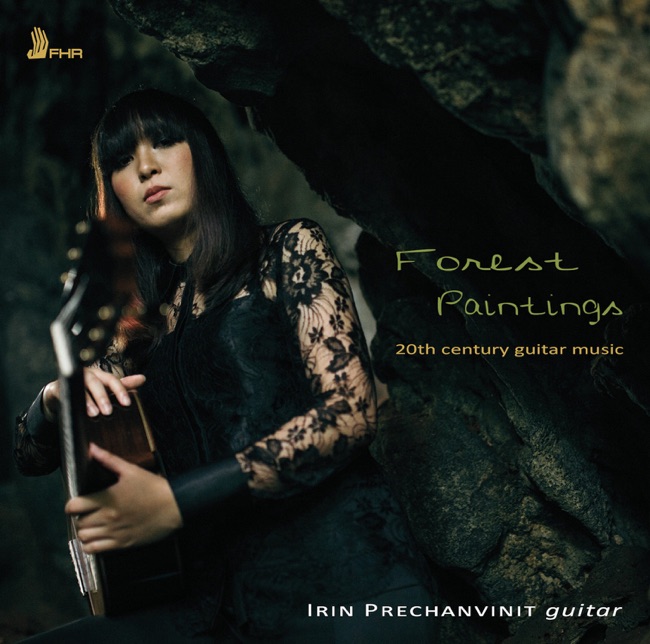 February 5, 2016
 -
 July 7, 2015
Orchestral
-
-
 March 14, 2014
 -
 January 12, 2010
 -
Concerto
-
 September 1, 2017
 -
 July 13, 2009
 -
-
 May 20, 2003
 -
 May 13, 2003
 -
 July 17, 2001
Keyboard
-
-

-
 February 13, 2007
 -
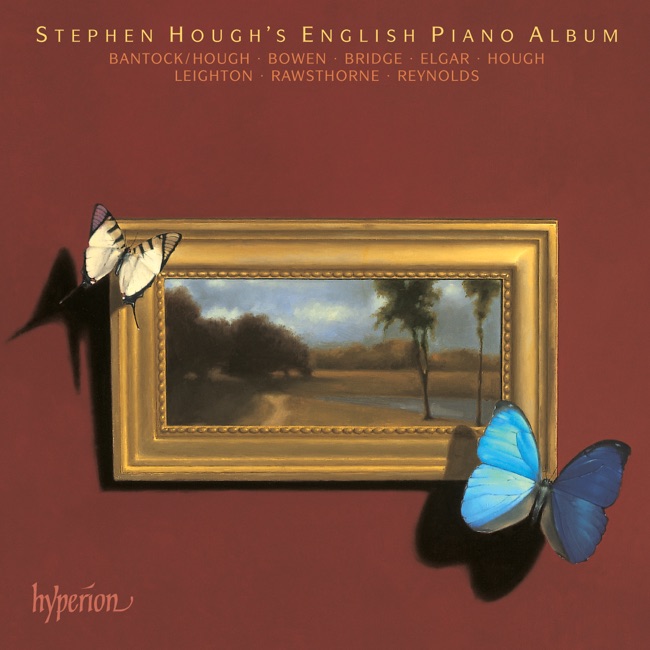 March 4, 2002
Artist Info
Role:Composer ConductorCountry: United KingdomBirth:May 2, 1905 in Haslingden, Lancashire, EnglandDeath:July 24, 1971 in Cambridge, MAPeriod:ContemporaryModernGenre:ChamberConcertoFilmOrchestralAlan Rawsthorne was a British composer born on May 2, 1905, in Haslingden, Lancashire. He was the youngest of three children born to William Rawsthorne, a local dentist, and his wife, Edith. Rawsthorne's parents were both amateur musicians, and they encouraged their children to pursue music from an early age. Rawsthorne's older brother, William, became a professional pianist, and his sister, Edith, was a talented singer. Rawsthorne began his musical education at the age of six, studying piano with his mother. He later studied with the local organist, and by the age of 12, he was playing the organ at his local church. Rawsthorne's talent was recognized early on, and he was awarded a scholarship to study at the Royal Manchester College of Music when he was just 16 years old. At the Royal Manchester College of Music, Rawsthorne studied composition with the renowned composer, Sir John Barbirolli. He also studied piano with the college's principal, Frederic Cox, and conducting with Sir Hamilton Harty. Rawsthorne was a gifted student, and he won several prizes for his compositions while he was at the college. After graduating from the Royal Manchester College of Music in 1929, Rawsthorne moved to London to pursue a career as a composer. He quickly established himself as one of the leading composers of his generation, and his music was performed by some of the most prestigious orchestras and ensembles in the country. Rawsthorne's early works were heavily influenced by the music of Stravinsky and Bartok, and he was known for his use of complex rhythms and harmonies. His first major work, the Concerto for String Orchestra, was premiered in 1935 and was an immediate success. The work was praised for its originality and its use of unusual instrumental combinations. Throughout the 1930s and 1940s, Rawsthorne continued to compose prolifically, producing a wide range of works for orchestra, chamber ensemble, and solo instruments. Some of his most notable works from this period include the Symphonic Studies for Piano, the Oboe Concerto, and the Piano Concerto No. 1. Rawsthorne's music was well-received by critics and audiences alike, and he was widely regarded as one of the most important composers of his generation. However, his career was interrupted by the outbreak of World War II, and he spent much of the war years working as a codebreaker for the British government. After the war, Rawsthorne returned to composing, and he produced some of his most important works during this period. In 1946, he composed his Symphony No. 1, which was premiered by the Hallé Orchestra under the direction of Sir John Barbirolli. The work was a critical and commercial success, and it established Rawsthorne as one of the leading symphonic composers of his time. Rawsthorne continued to compose throughout the 1950s and 1960s, producing a wide range of works for orchestra, chamber ensemble, and solo instruments. Some of his most notable works from this period include the Cello Concerto, the Symphony No. 3, and the Piano Concerto No. 2. Despite his success as a composer, Rawsthorne was known for his modesty and his reluctance to promote his own work. He was also known for his generosity, and he often helped young composers and musicians who were struggling to establish themselves. Rawsthorne died on July 24, 1971, at the age of 66. He left behind a rich legacy of music that continues to be performed and admired today.More....
Recent Artist Music
1
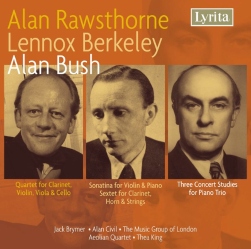
6:25
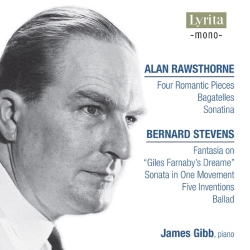
7
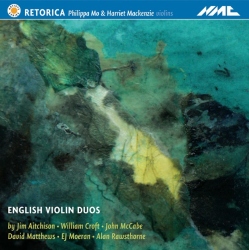
Theme and Variations for Two Violins
9. Fantasia: Allegro poco maestoso - Nel tempo della Rhapsodia - Tempo 1
3:2
8

8:35
Copyright Ⓒ 2013 Davinci Finger. All rights reseved
Service Terms & Policy