


László Lajtha
Released Album
Chamber
-
 October 14, 2022
 -
-
 March 2, 2018
 -
-
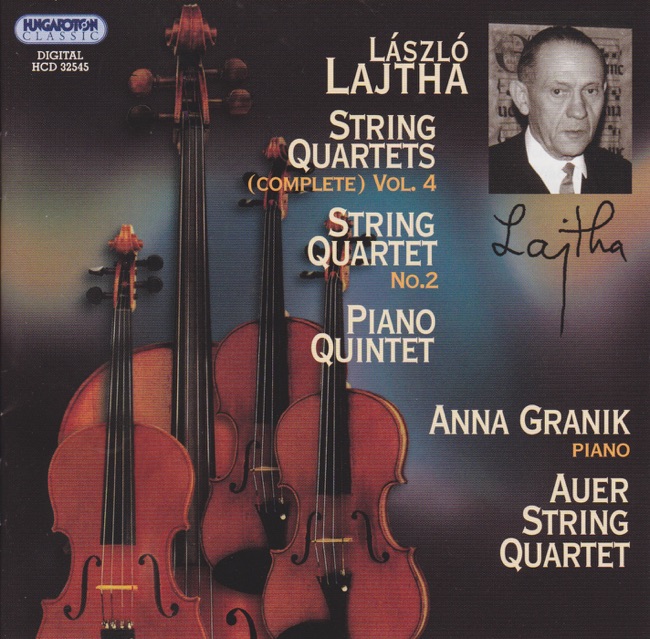 July 26, 2011
 -
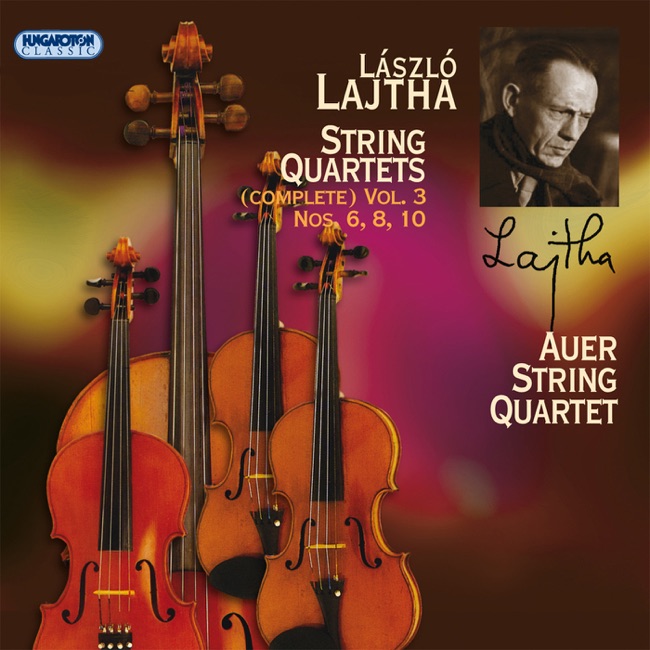 February 23, 2010
Symphony
-
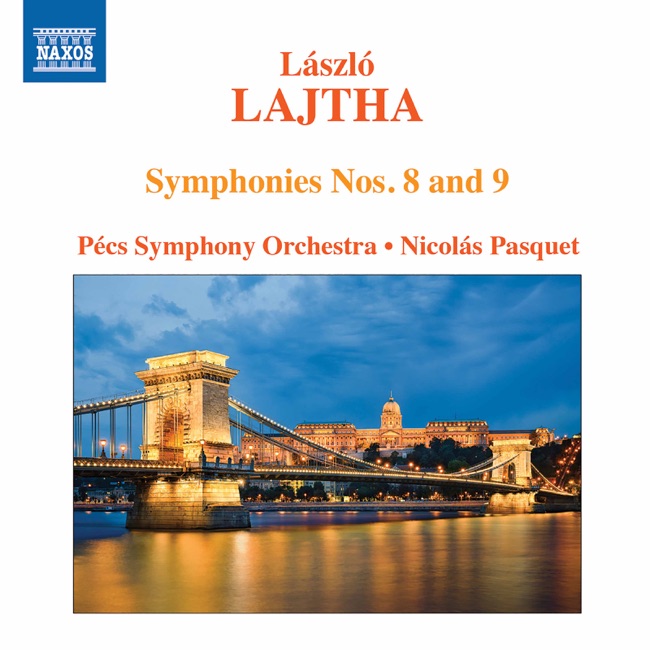 September 8, 2017
 -
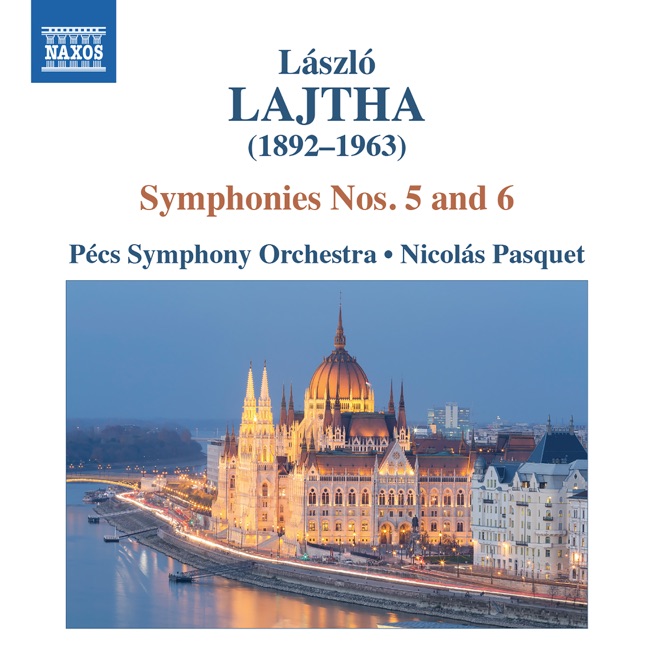 May 12, 2017
 -
 March 10, 2017
 -
 November 11, 2016
 -
Orchestral
-
 November 10, 2017
 -
-
-
 November 6, 2015
 -
 August 19, 1994
Choral
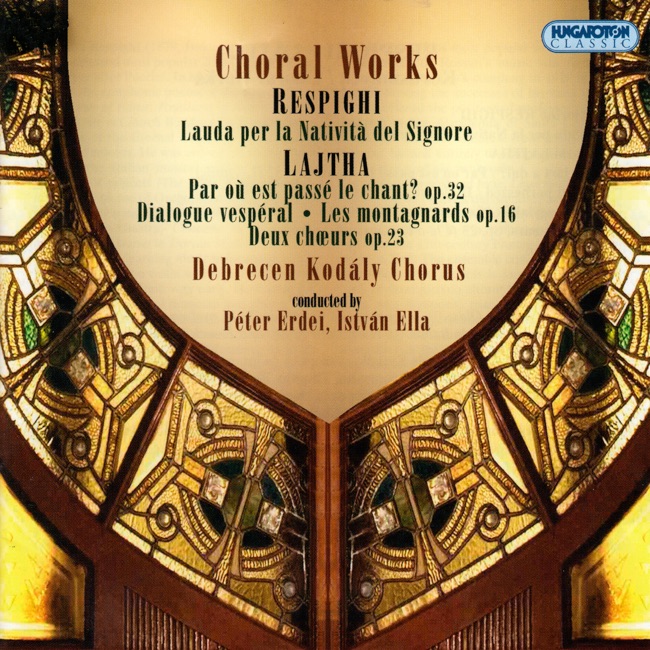
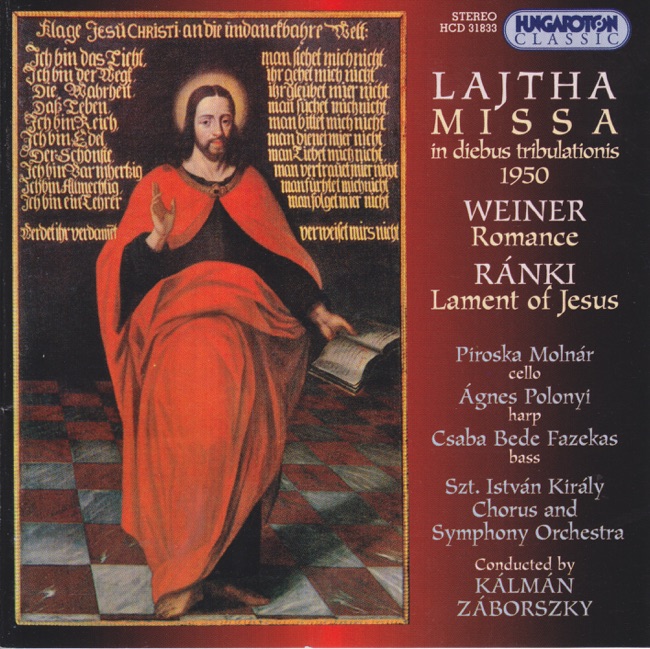
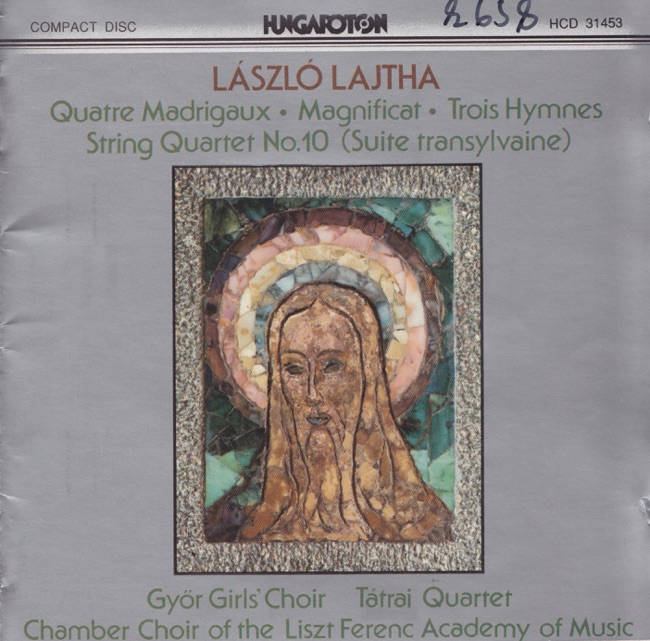
Artist Info
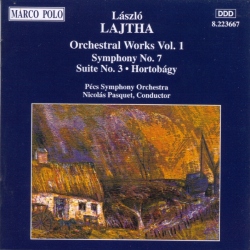
Role:ComposerCountry: HungaryBirth:June 30, 1892Death:February 16, 1963Period:ModernGenre:ChamberSymphonyVocalLászló Lajtha was a Hungarian composer, ethnomusicologist, and conductor who was born on June 30, 1892, in Budapest, Hungary. He was the son of a wealthy industrialist and grew up in a musical family. His father was a pianist and his mother was a singer, and they encouraged Lajtha's musical interests from a young age. Lajtha began studying music at the age of six, and by the time he was a teenager, he was already composing his own works. He studied composition with Zoltán Kodály and Albert Siklós at the Franz Liszt Academy of Music in Budapest, where he also studied conducting with Leo Weiner. He graduated from the academy in 1914 with a degree in composition. After completing his studies, Lajtha served in the Hungarian army during World War I. He was captured by the Russians in 1916 and spent the remainder of the war as a prisoner of war in Siberia. During his captivity, he continued to compose music and even organized a prisoner orchestra. After the war, Lajtha returned to Hungary and began a career as a composer and conductor. He was appointed the conductor of the Budapest Philharmonic Orchestra in 1920, a position he held until 1923. He also served as the conductor of the Hungarian Radio Symphony Orchestra from 1945 to 1949. Lajtha was a prolific composer who wrote in a variety of genres, including orchestral works, chamber music, operas, and ballets. He was particularly interested in incorporating elements of Hungarian folk music into his compositions, and he traveled extensively throughout Hungary and other parts of Eastern Europe to collect and study folk music. One of Lajtha's most famous works is his Symphony No. 7, which he composed in 1957. The symphony is a tribute to the Hungarian Revolution of 1956, and it incorporates elements of Hungarian folk music and revolutionary songs. The symphony was premiered in Budapest in 1958 and was widely praised for its emotional power and musical complexity. Lajtha also composed several operas, including The Bluebird's Castle, which was based on a play by Maurice Maeterlinck. The opera premiered in Budapest in 1918 and was later performed in Paris and London. Lajtha's other operas include The Last Days of Pompeii, which premiered in Budapest in 1937, and The Round Table, which premiered in Budapest in 1942. In addition to his work as a composer and conductor, Lajtha was also a respected ethnomusicologist. He published several books on Hungarian folk music and was a founding member of the International Council for Traditional Music. Lajtha died on February 16, 1963, in Budapest, Hungary. He left behind a legacy of innovative and emotionally powerful music that continues to be performed and studied today.More....
Recent Artist Music
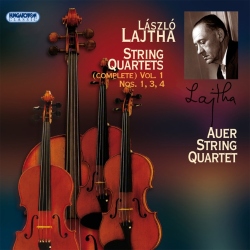
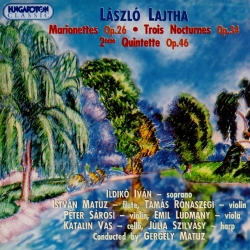
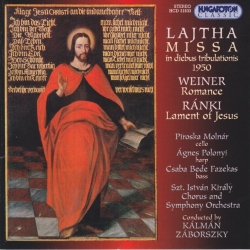
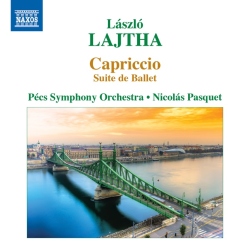
11
String Quartet No. 5, Op. 20 "Five Studies for String Quartet"
1. Rhytme et plénitude sonore
4:18
13
4:55
Copyright Ⓒ 2013 Davinci Finger. All rights reseved
Service Terms & Policy