László Lajtha
Sinfonietta for string orchestra, Op. 43
Released Album
Recent Album
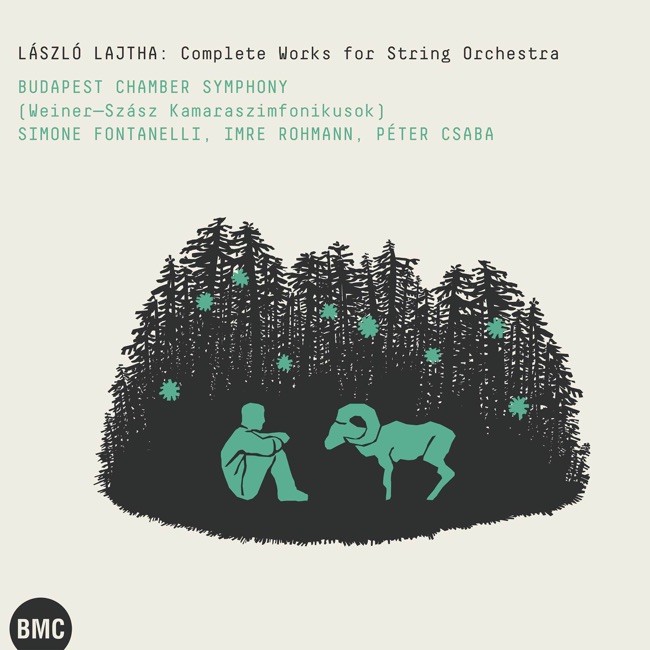
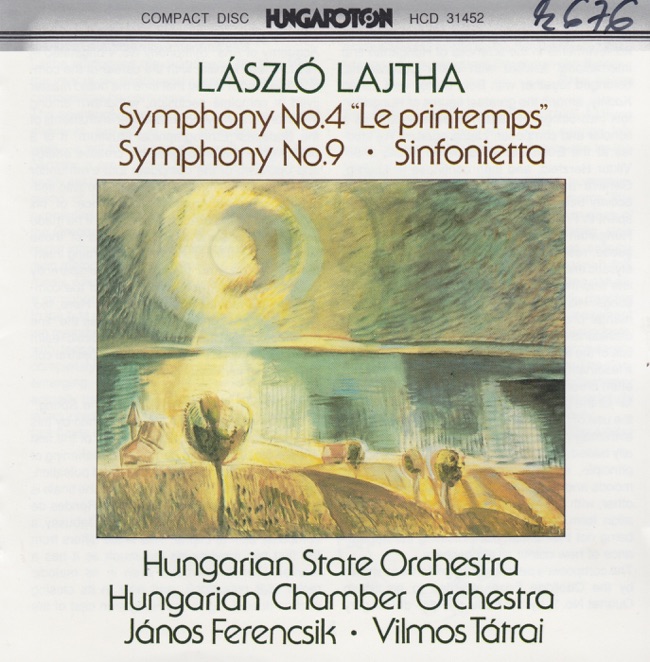
Works Info
Composer:László LajthaGenre:OrchestralStyle:SinfoniettaAverage_duration:18:28László Lajtha's Sinfonietta for string orchestra, Op. 43, was composed in 1950 and premiered on March 4, 1951, in Budapest, Hungary. The piece consists of four movements and has a total duration of approximately 20 minutes. The first movement, marked Allegro moderato, begins with a lively and energetic theme played by the violins. The theme is then passed on to the lower strings, creating a sense of unity and cohesion within the orchestra. The movement features a variety of textures and dynamics, with moments of intense energy and moments of calm reflection. The second movement, marked Adagio, is a slow and melancholic piece that showcases the expressive capabilities of the string orchestra. The movement features a haunting melody played by the violins, which is then echoed by the lower strings. The use of dissonance and chromaticism creates a sense of tension and unease, adding to the emotional depth of the piece. The third movement, marked Allegro vivace, is a lively and playful piece that features a fast-paced and rhythmic theme played by the violins. The theme is then passed on to the other sections of the orchestra, creating a sense of excitement and energy. The movement features a variety of textures and dynamics, with moments of frenzied activity and moments of calm reflection. The final movement, marked Allegro con fuoco, is a fiery and energetic piece that brings the Sinfonietta to a thrilling conclusion. The movement features a fast-paced and rhythmic theme played by the entire orchestra, creating a sense of unity and power. The use of syncopation and irregular rhythms adds to the sense of excitement and energy, making for a thrilling and satisfying conclusion to the piece. Overall, Lajtha's Sinfonietta for string orchestra, Op. 43, is a masterful work that showcases the expressive capabilities of the string orchestra. The piece features a variety of textures and dynamics, with moments of intense energy and moments of calm reflection. The use of dissonance and chromaticism adds to the emotional depth of the piece, while the use of syncopation and irregular rhythms creates a sense of excitement and energy.More....
Works Music
Released Music