


Leopold Hofmann
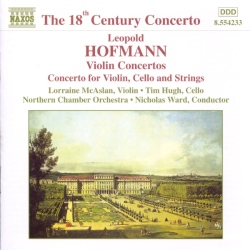
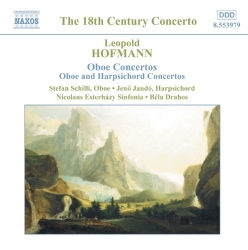
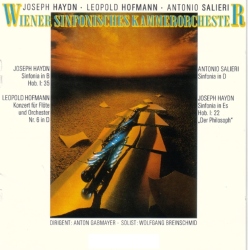
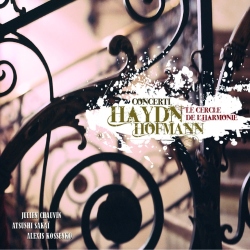
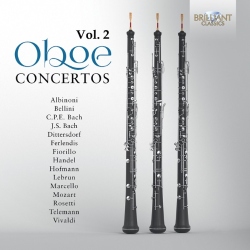
Released Album
Concerto
-
-
 April 23, 2009
 -
 September 12, 2002
 -
-
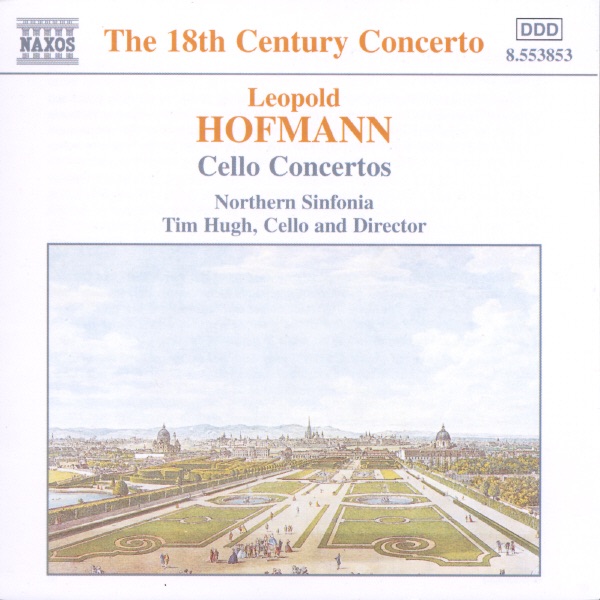 July 28, 1998
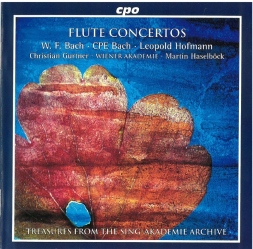
Chamber
-
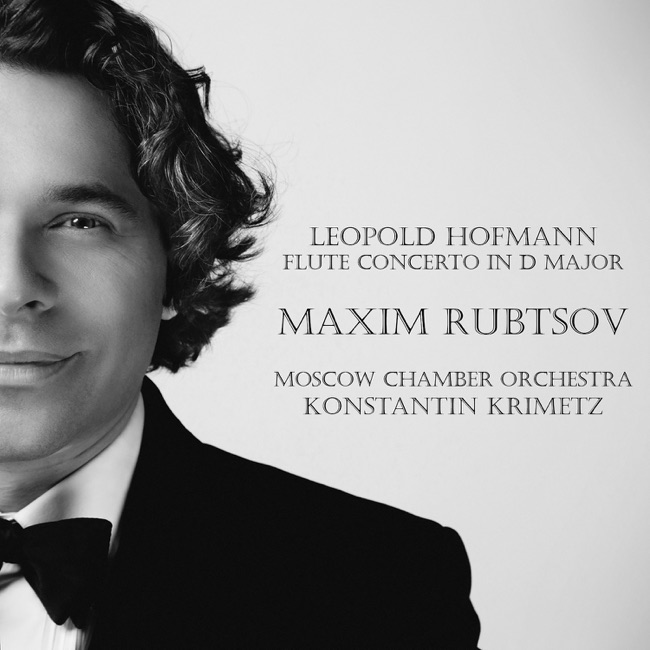 November 1, 2017
Artist Info
Role:ComposerBirth:1738Death:1793Period:ClassicalGenre:ChamberConcertoLeopold Hofmann was a prominent composer of the classical era, born in Vienna, Austria in 1738. He was the son of a violinist and was introduced to music at a young age. Hofmann showed a natural talent for music and began his formal training at the age of six. He studied under the renowned composer Johann Joseph Fux, who was the court composer for the Habsburgs. Hofmann's early works were heavily influenced by the Baroque style, which was prevalent during his formative years. However, as he matured as a composer, he began to incorporate elements of the emerging classical style into his music. Hofmann's compositions were characterized by their elegance, clarity, and balance. In 1757, Hofmann was appointed as the court composer for the Archbishop of Salzburg. During his time in Salzburg, he composed a number of works for the court, including operas, symphonies, and chamber music. Hofmann's music was well-received by the Archbishop and his court, and he quickly gained a reputation as a talented composer. In 1762, Hofmann returned to Vienna, where he continued to compose and perform. He became a member of the prestigious Tonkünstler-Societät, a society of musicians and composers that was founded in 1771. Hofmann's membership in the society helped to further his career and establish him as one of the leading composers of his time. Hofmann's most famous works include his symphonies, which were highly regarded for their innovative use of instrumentation and their complex harmonies. His Symphony in D Major, which was composed in 1777, is considered to be one of his greatest works. The symphony features a lively and energetic first movement, a slow and contemplative second movement, and a lively and playful third movement. Hofmann also composed a number of operas, including his most famous work, Gli sposi felici. The opera was first performed in Vienna in 1769 and was well-received by audiences and critics alike. The opera features a lively and engaging score, with memorable arias and duets. In addition to his symphonies and operas, Hofmann also composed a number of chamber music works, including his String Quartet in D Major. The quartet features a lively and energetic first movement, a slow and contemplative second movement, and a lively and playful third movement. Hofmann's music was highly regarded during his lifetime, and he was considered to be one of the leading composers of his time. However, his music fell out of favor in the years following his death, and it was not until the 20th century that his works began to be rediscovered and performed once again. Today, Hofmann's music is recognized for its elegance, clarity, and balance, and he is considered to be one of the most important composers of the classical era. His works continue to be performed and recorded by orchestras and ensembles around the world, and his legacy as a composer and musician lives on.More....
Recent Artist Music
3
7:29
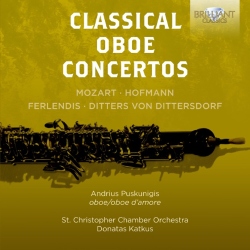
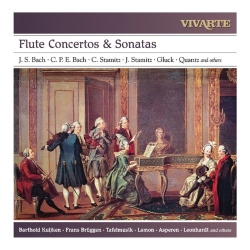
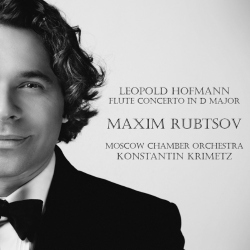
11
4:57

Copyright Ⓒ 2013 Davinci Finger. All rights reseved
Service Terms & Policy