


Carol Brice
Released Album
Opera
-
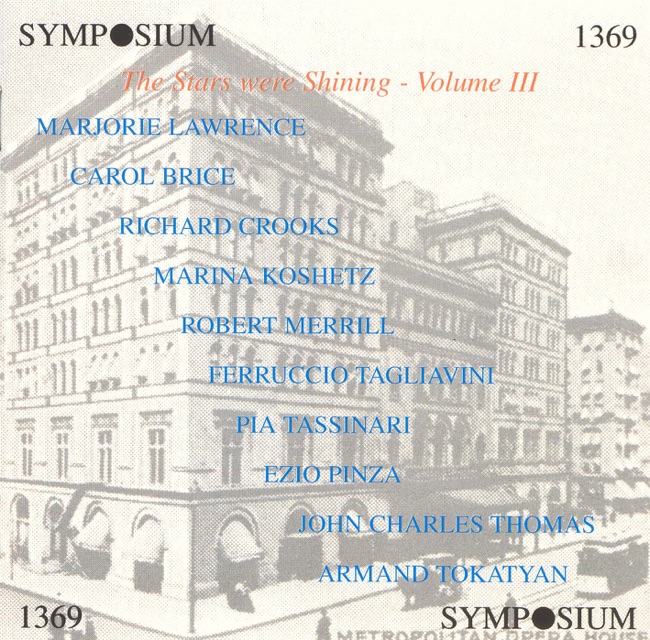 September 9, 2008
 -
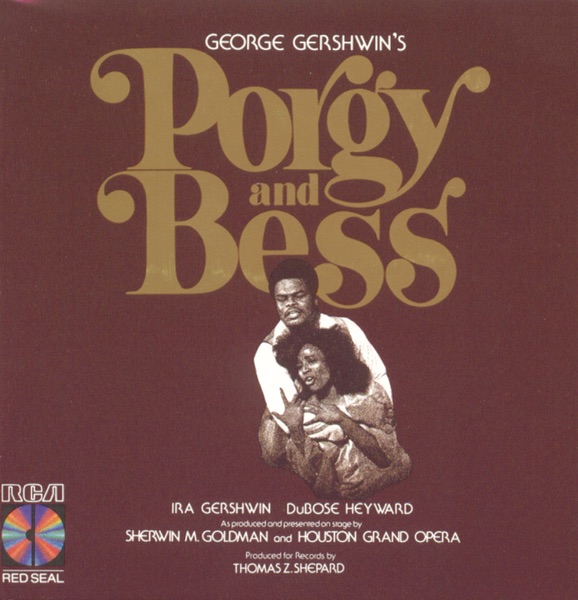 May 11, 1993
Ballet
Artist Info
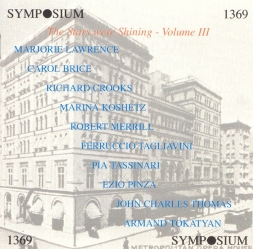
Genre:OperaOrchestralVocalCarol Brice was an American classical music artist who was born on April 16, 1918, in Sedalia, North Carolina. She was the daughter of a Baptist minister and a music teacher, and her parents recognized her musical talent at an early age. Brice began singing in church choirs and school productions, and her parents encouraged her to pursue a career in music. Brice attended Palmer Memorial Institute, a prestigious African American boarding school in North Carolina, where she received a rigorous musical education. She then went on to study at Talladega College in Alabama, where she earned a degree in music. After college, Brice moved to New York City to pursue a career in opera. In 1940, Brice made her debut at the Metropolitan Opera in New York City, becoming the first African American woman to sing there. She performed the role of Maria in Giuseppe Verdi's "Otello," and her performance was met with critical acclaim. Brice went on to perform at the Metropolitan Opera for several seasons, singing roles in operas such as "Aida," "Carmen," and "Porgy and Bess." Brice also performed with other opera companies, including the New York City Opera and the San Francisco Opera. She was known for her powerful voice and her ability to convey emotion through her singing. Brice was particularly celebrated for her performances in "Porgy and Bess," a groundbreaking opera that featured an all-black cast and addressed issues of race and poverty in America. In addition to her opera career, Brice also performed in concerts and recitals. She sang with orchestras such as the New York Philharmonic and the Boston Symphony Orchestra, and she performed in venues such as Carnegie Hall and the Hollywood Bowl. Brice was also a frequent performer on radio and television, appearing on programs such as "The Ed Sullivan Show" and "The Voice of Firestone." Throughout her career, Brice faced discrimination and racism because of her race. She was often denied opportunities and faced criticism from some members of the opera world who believed that African Americans were not suited for classical music. Despite these challenges, Brice persevered and became a trailblazer for African American classical musicians. Brice received several awards and honors throughout her career. In 1950, she was awarded the Marian Anderson Award, named after the famous African American contralto. In 1953, she was awarded the National Association of Negro Musicians' Distinguished Achievement Award. Brice was also inducted into the North Carolina Music Hall of Fame in 2010. Brice retired from performing in the 1960s and became a vocal coach and teacher. She taught at the Manhattan School of Music and the Juilliard School, among other institutions. Brice was known for her dedication to her students and her commitment to promoting diversity in classical music. Carol Brice passed away on February 14, 1985, at the age of 66. She left behind a legacy as a pioneering African American classical musician who broke down barriers and paved the way for future generations of artists. Brice's powerful voice and her commitment to excellence continue to inspire musicians and audiences today.More....
Recent Artist Music
Copyright Ⓒ 2013 Davinci Finger. All rights reseved
Service Terms & Policy