


Julius Eastman
Released Album
Keyboard
-
 May 5, 2023
 -
 August 26, 2022
 -
 May 21, 2021
 -

-
 May 4, 2020
 -
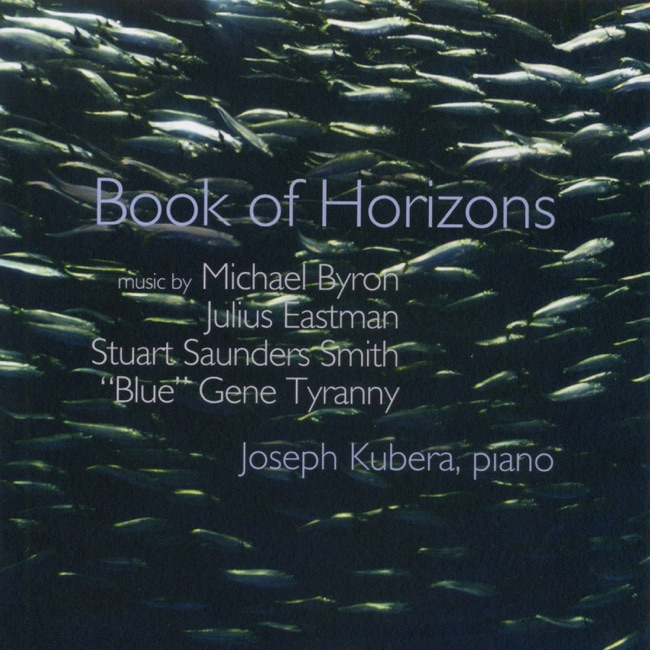 March 11, 2014
Chamber

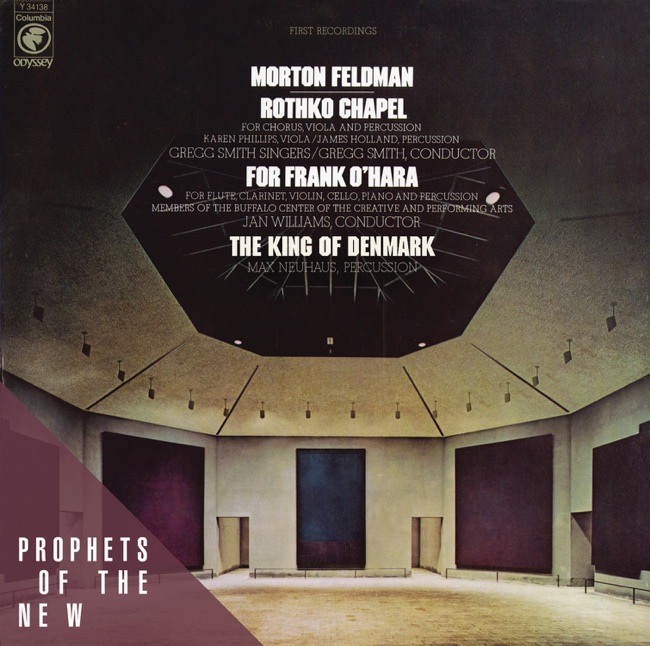
Vocal
-
 March 15, 1994
Artist Info
Role:Composer ConductorCountry: United States of AmericaBirth:October 27, 1940 in New York City, NYDeath:May 28, 1990 in Buffalo, NYPeriod:ContemporaryGenre:OrchestralVocalJulius Eastman was an American composer, pianist, and vocalist who was born on October 27, 1940, in New York City. He was the youngest of four children and grew up in a musical family. His mother was a church organist, and his father was a jazz pianist. Eastman began playing the piano at a young age and showed a natural talent for music. Eastman attended the Curtis Institute of Music in Philadelphia, where he studied piano and composition. He was a gifted pianist and won several awards for his performances. However, he was also interested in composition and began to experiment with different styles and techniques. In the 1960s, Eastman moved to New York City and became involved in the avant-garde music scene. He was a member of the Creative Associates, a group of composers and performers who were interested in exploring new forms of music. Eastman's early works were influenced by minimalism and experimental music, and he often used repetition and improvisation in his compositions. One of Eastman's most significant works from this period was "Stay On It," which he composed in 1973. The piece was a fusion of classical, jazz, and pop music and featured a repetitive, driving rhythm. "Stay On It" was performed by the S.E.M. Ensemble, a group of musicians who were known for their experimental approach to music. In the late 1970s, Eastman began to focus more on vocal music. He was a baritone and had a powerful voice that he used to great effect in his compositions. He often wrote pieces for multiple voices, and his works were characterized by their complex harmonies and rhythms. One of Eastman's most famous vocal works was "The Holy Presence of Joan d'Arc," which he composed in 1981. The piece was inspired by the trial and execution of Joan of Arc and featured a choir of ten singers. "The Holy Presence of Joan d'Arc" was performed only a few times during Eastman's lifetime but has since become recognized as a masterpiece of contemporary choral music. Eastman's career was marked by both artistic success and personal struggles. He was openly gay at a time when homosexuality was still stigmatized, and he faced discrimination and marginalization in the music world. He also struggled with addiction and homelessness and was often unable to find steady work as a composer or performer. Despite these challenges, Eastman continued to create music until his death in 1990. Many of his works were lost or forgotten after his death, but in recent years, there has been a renewed interest in his music. Several of his compositions have been rediscovered and performed, and he is now recognized as one of the most important composers of the late 20th century. In conclusion, Julius Eastman was a pioneering composer and performer who pushed the boundaries of contemporary music. His works were characterized by their experimental approach and their fusion of different musical styles. Although he faced many challenges during his lifetime, his music has endured and continues to inspire new generations of musicians.More....
Recent Artist Music





8
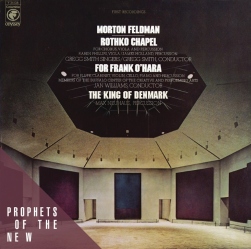
18:20
9
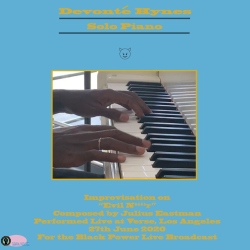
6:37
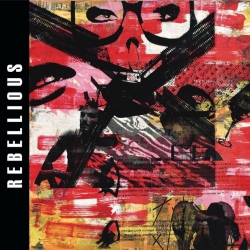
11

28:32


Copyright Ⓒ 2013 Davinci Finger. All rights reseved
Service Terms & Policy