


Ernesto Halffter
Released Album
Keyboard
-
 March 3, 2023
 -
 January 22, 2022
 -
 June 9, 2015
 -
 August 13, 2013
 -
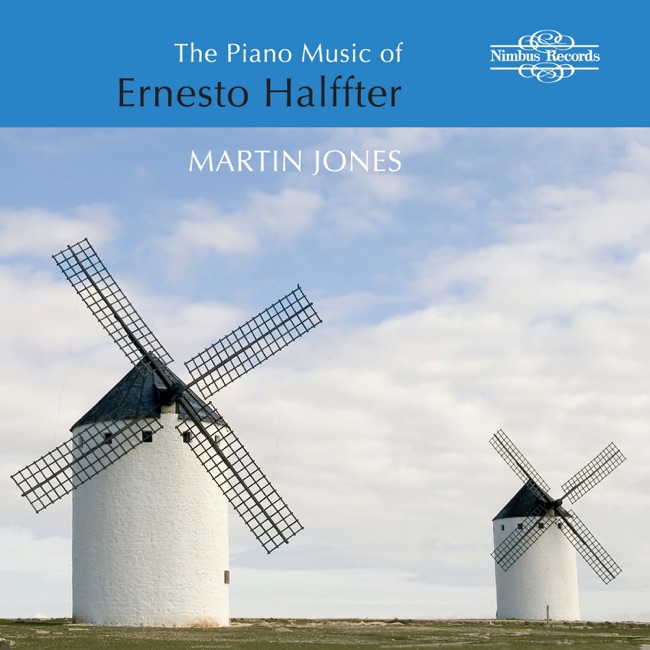 February 9, 2010
 -
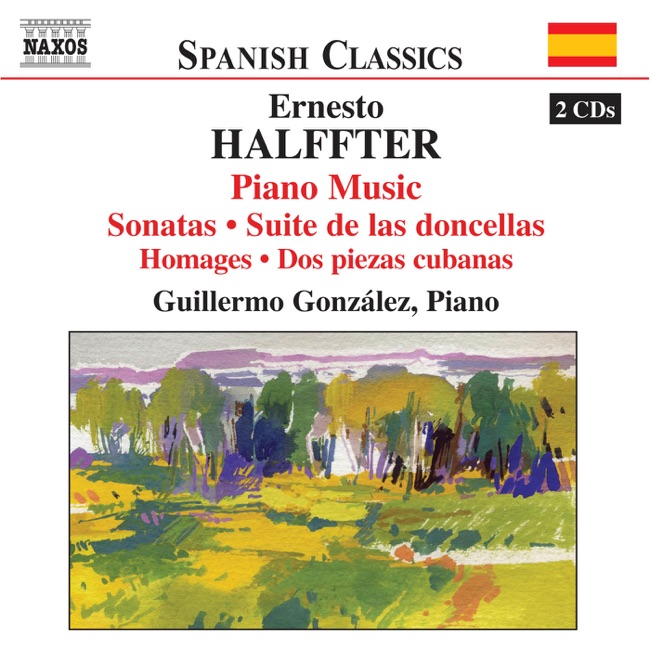 August 28, 2007
Concerto
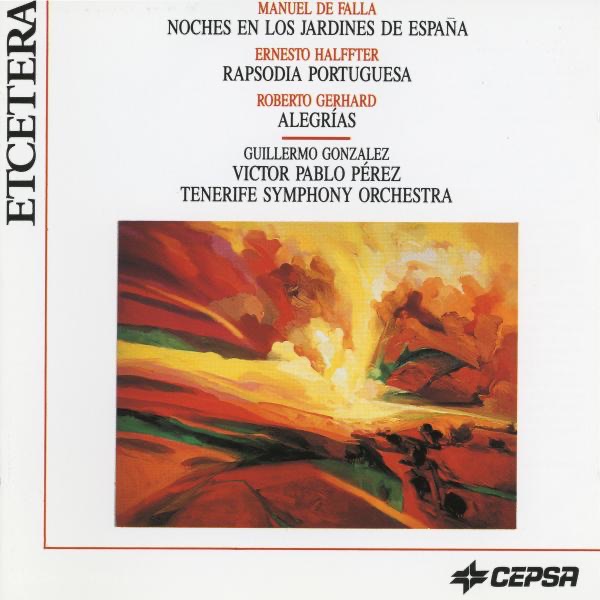
Ballet
Artist Info
Role:Composer ConductorBirth:January 16, 1905 in Madrid, SpainDeath:July 5, 1989 in Madrid, SpainPeriod:ContemporaryModernGenre:KeyboardVocalErnesto Halffter Escriche was a Spanish composer and conductor who was born on January 16, 1905, in Madrid, Spain. He was born into a family of musicians, with his father being a composer and his mother a pianist. His uncle, Rodolfo Halffter, was also a composer and conductor. Ernesto Halffter grew up in a musical environment and began his musical studies at a young age. Halffter studied at the Madrid Conservatory, where he was a student of Conrado del Campo. He also studied with Manuel de Falla, who was a major influence on his music. Halffter's early works were influenced by the Spanish folk music and the music of Debussy and Ravel. He was also interested in the music of Stravinsky and Schoenberg. In 1925, Halffter won a scholarship to study in Paris, where he studied with Paul Dukas and Nadia Boulanger. He also met other composers such as Manuel de Falla, Joaquín Rodrigo, and Federico García Lorca. During his time in Paris, Halffter became interested in the music of the Second Viennese School and began to incorporate serialism into his compositions. Halffter returned to Spain in 1930 and became a professor at the Madrid Conservatory. He also became involved in the Spanish Civil War, fighting on the Republican side. After the war, Halffter went into exile in Mexico, where he continued to compose and conduct. He returned to Spain in 1953 and became the conductor of the Spanish National Orchestra. Halffter's music is characterized by its use of Spanish folk music, as well as its incorporation of serialism and other modernist techniques. His works include orchestral music, chamber music, and vocal music. Some of his most famous works include the ballets "Don Lindo de Almería" and "Estatua con Variaciones," as well as the opera "Don Quijote." "Don Lindo de Almería" is a ballet that tells the story of a young man who falls in love with a gypsy girl. The music is characterized by its use of Spanish folk music, as well as its incorporation of modernist techniques such as polytonality and atonality. The ballet was first performed in 1936 and has since become one of Halffter's most famous works. "Estatua con Variaciones" is another ballet that tells the story of a statue that comes to life. The music is characterized by its use of serialism and other modernist techniques. The ballet was first performed in 1949 and has since become a staple of the modern ballet repertoire. Halffter's opera "Don Quijote" is based on the famous novel by Miguel de Cervantes. The opera was first performed in 1957 and is characterized by its use of Spanish folk music, as well as its incorporation of modernist techniques such as serialism and atonality. In addition to his compositions, Halffter was also a respected conductor. He conducted many of his own works, as well as the works of other composers. He was known for his interpretations of the music of Manuel de Falla and other Spanish composers. Ernesto Halffter died on July 5, 1989, in Madrid, Spain. He left behind a legacy of innovative and influential music that continues to be performed and studied today. His music is characterized by its unique blend of Spanish folk music and modernist techniques, and his contributions to the world of classical music have earned him a place among the great composers of the 20th century.More....
Recent Artist Music


Copyright Ⓒ 2013 Davinci Finger. All rights reseved
Service Terms & Policy