


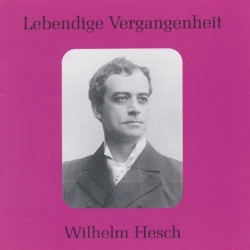
Wilhelm Hesch
Released Album
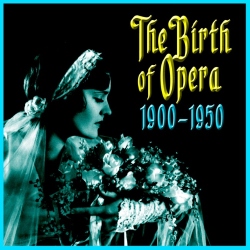
Opera
-
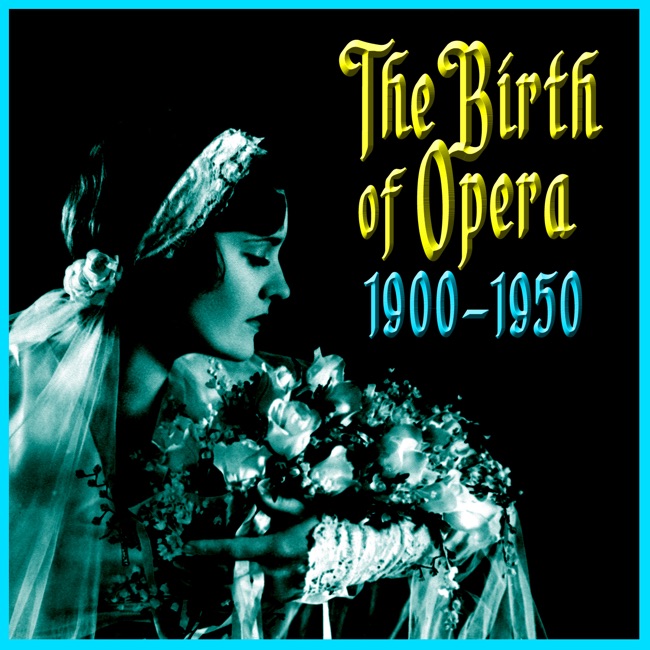 March 1, 2011
 -
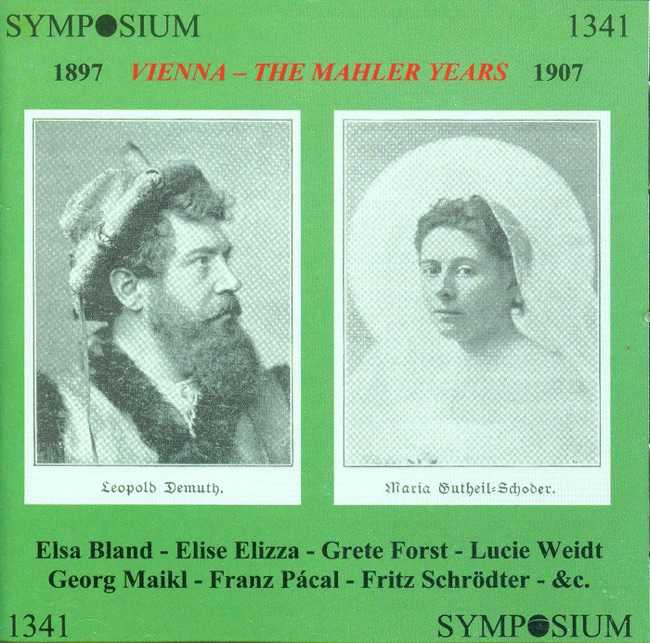 April 12, 2004
 -
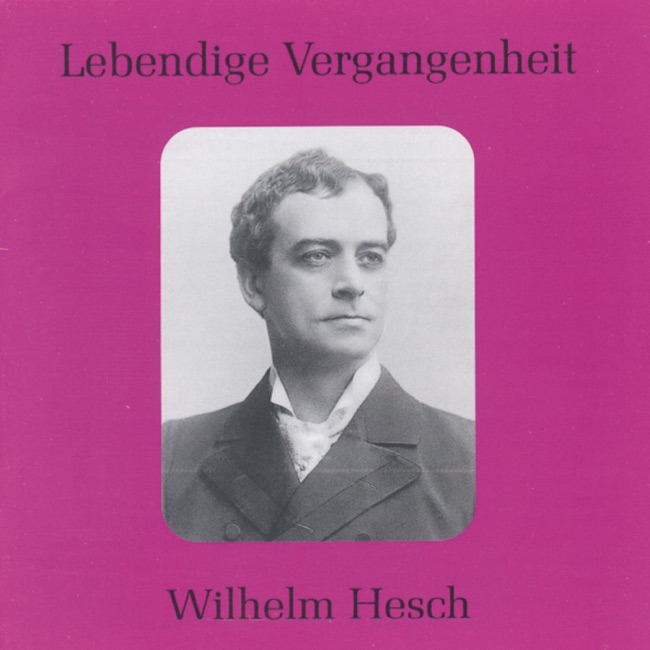 July 27, 1999
 -
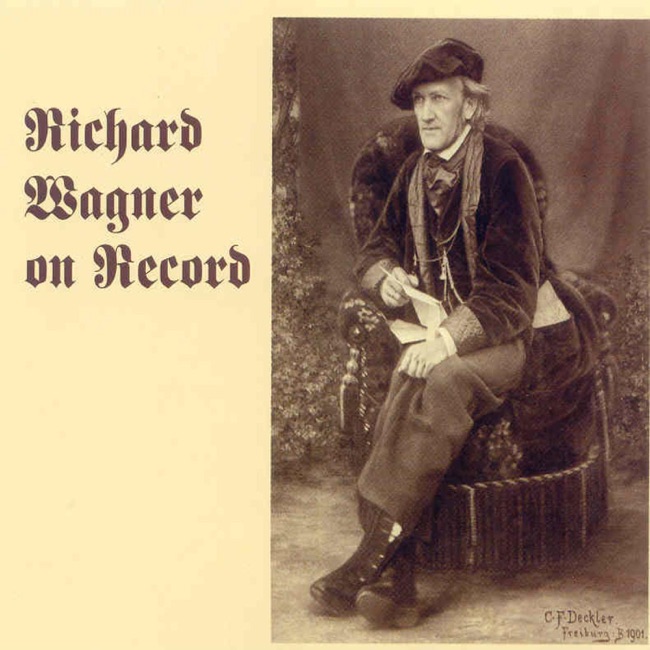 January, 1998
 -
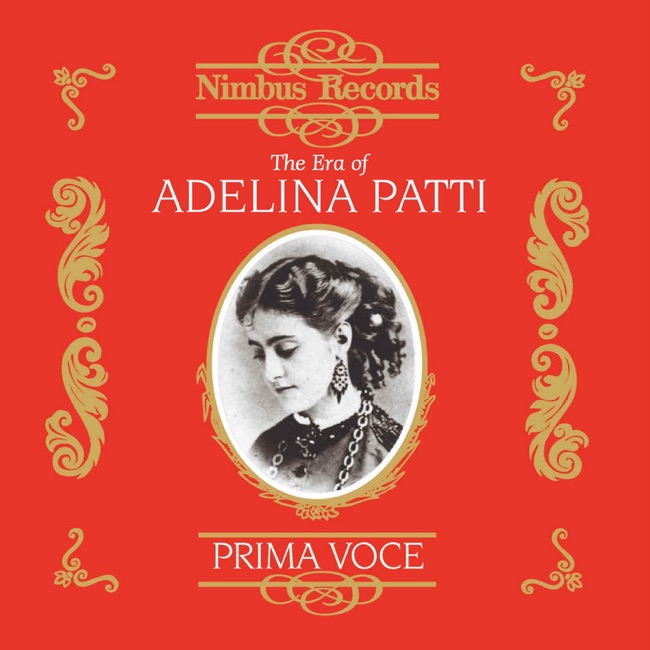 January, 1993
 -
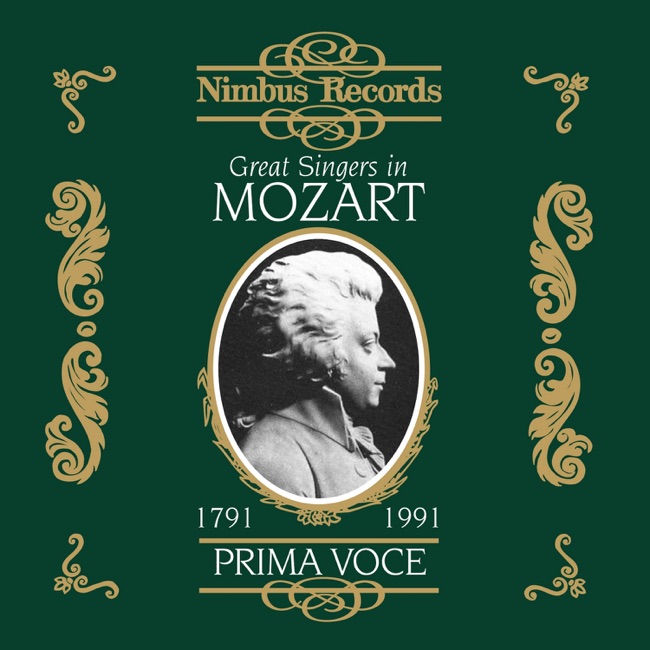 December 2, 1992
Artist Info
Period:ClassicalRomanticGenre:OperaWilhelm Hesch was a renowned classical music artist who made significant contributions to the world of music. He was born on January 15, 1925, in Vienna, Austria. Hesch was the youngest of three children born to a family of musicians. His father was a violinist, and his mother was a pianist. From a young age, Hesch showed a keen interest in music and began playing the piano at the age of four. Hesch's parents recognized his talent and encouraged him to pursue a career in music. He began taking piano lessons with his mother and later studied under the tutelage of renowned pianist and composer, Franz Schmidt. Hesch's talent and dedication to music were evident from an early age, and he quickly gained recognition as a prodigy. In 1943, Hesch made his debut as a soloist with the Vienna Philharmonic Orchestra, performing Mozart's Piano Concerto No. 20 in D minor. The performance was a resounding success, and Hesch was hailed as a rising star in the world of classical music. He continued to perform with the Vienna Philharmonic Orchestra and other renowned orchestras throughout Europe, earning critical acclaim for his virtuosity and musicality. In 1950, Hesch moved to the United States to pursue his career as a concert pianist. He quickly established himself as one of the leading pianists of his generation, performing with the New York Philharmonic Orchestra, the Boston Symphony Orchestra, and other major orchestras across the country. Hesch's performances were characterized by his technical brilliance, musical sensitivity, and deep understanding of the composers' intentions. Throughout his career, Hesch was a champion of contemporary music, performing works by composers such as Arnold Schoenberg, Igor Stravinsky, and Béla Bartók. He also had a deep love for the music of Mozart, Beethoven, and Schubert, and his interpretations of their works were highly regarded by critics and audiences alike. Hesch's career was marked by numerous highlights, including his performance of Beethoven's Piano Concerto No. 5 in E-flat major, "Emperor," with the Vienna Philharmonic Orchestra in 1958. The performance was recorded and released on LP, becoming one of Hesch's most celebrated recordings. He also performed at the Salzburg Festival, the Edinburgh Festival, and the Tanglewood Music Festival, among others. In addition to his career as a performer, Hesch was also a respected teacher and mentor. He taught at the Juilliard School in New York City and the Curtis Institute of Music in Philadelphia, where he influenced a generation of young pianists. His students included renowned pianists such as Emanuel Ax, Richard Goode, and Murray Perahia. Hesch's contributions to the world of music were recognized with numerous awards and honors. In 1963, he was awarded the Austrian Cross of Honor for Science and Art, and in 1973, he was awarded the Grand Decoration of Honor in Gold for Services to the Republic of Austria. He was also a recipient of the Order of Merit of the Federal Republic of Germany and the Order of Merit of the Italian Republic. Hesch continued to perform and teach until his death on December 14, 1986, in New York City. He left behind a legacy as one of the greatest pianists of the 20th century, known for his technical brilliance, musical sensitivity, and deep understanding of the composers' intentions. His recordings and performances continue to inspire and influence musicians and music lovers around the world.More....
Copyright Ⓒ 2013 Davinci Finger. All rights reseved
Service Terms & Policy