


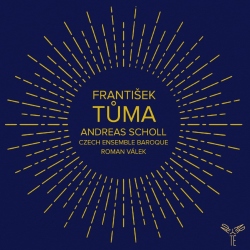
Frantisek Ignác Antonín Tuma
Released Album
Chamber
-
 June 9, 2015
 -
 August 23, 2013
 -
 November 12, 2012
 -
 September 2, 2008
 -
 June 24, 2008
 -
Choral
-
 November 17, 2023
 -
 August 28, 2020
 -
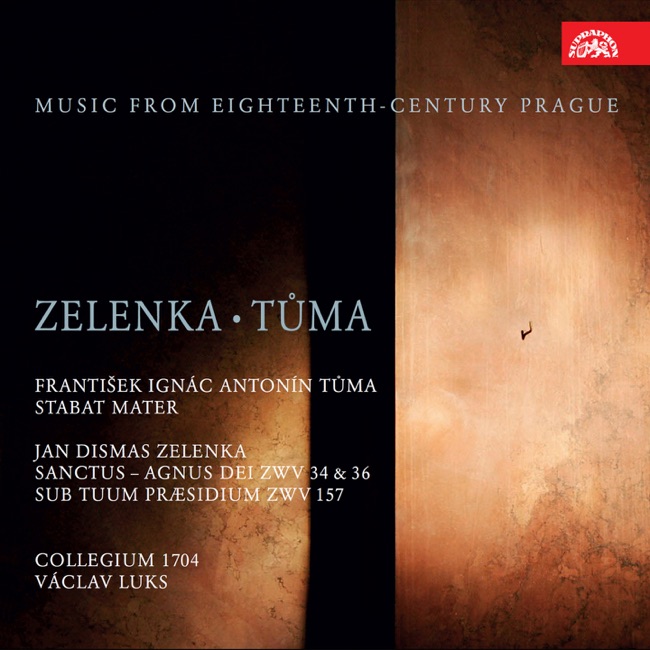 March 25, 2014
Vocal
-
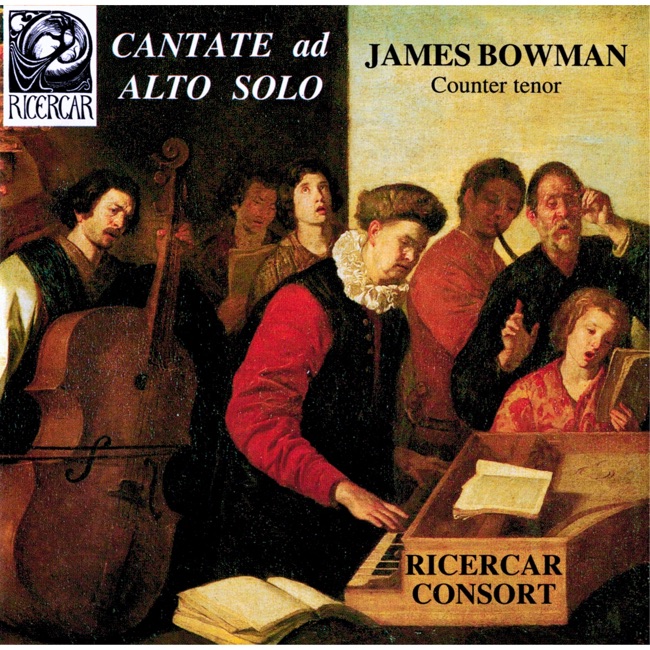 January 1, 1992
Artist Info
Role:ComposerCountry: Czech RepublicBirth:October 2, 1704 in Kostelec nad Orlicí, Czech RepublicDeath:January 30, 1774 in Vienna, AustriaPeriod:BaroqueGenre:ChamberChoralOrchestralVocalFrantisek Ignác Antonín Tuma was a Czech composer of the Baroque era, born on October 2, 1704, in Kostelec nad Orlicí, Bohemia. He was the son of a schoolmaster and organist, and his father was his first music teacher. Tuma showed an early aptitude for music, and by the age of 10, he was already playing the organ in his father's church. Tuma's musical education continued at the Jesuit gymnasium in Hradec Králové, where he studied under the composer Jan Zach. He then went on to study at the University of Prague, where he received a degree in philosophy. During his time in Prague, Tuma became acquainted with the composer Johann Joseph Fux, who had a significant influence on his musical style. In 1728, Tuma was appointed as the organist at the Church of St. James in Prague, where he remained for the next 20 years. During this time, he also served as the music director for the Jesuit order in Bohemia. Tuma's reputation as a composer grew, and he became known for his sacred music, including masses, motets, and oratorios. One of Tuma's most significant works is his Requiem in C minor, which he composed in 1733. The piece is notable for its use of the trombone, which was a relatively new instrument at the time. Tuma's Requiem was performed at his own funeral in 1774, and it remains one of his most popular works. In 1748, Tuma was appointed as the Kapellmeister at the court of Prince Karl von Lichtenstein-Kastelkorn in Vienna. He remained in this position until his death in 1774. During his time in Vienna, Tuma composed a significant amount of instrumental music, including symphonies, concertos, and chamber music. One of Tuma's most notable instrumental works is his Symphony in B-flat major, which he composed in 1760. The piece is notable for its use of the horn, which was a relatively new instrument at the time. Tuma's Symphony in B-flat major is considered to be one of the earliest examples of the horn being used as a solo instrument in a symphony. Tuma's music is characterized by its use of counterpoint and its adherence to the principles of the Baroque era. His compositions are known for their complexity and their use of chromaticism. Tuma was also known for his use of unusual instruments, such as the trombone and the horn, which were not commonly used in orchestral music at the time. Despite his significant contributions to the music of the Baroque era, Tuma's music fell out of favor in the years following his death. It was not until the 20th century that his music began to be rediscovered and appreciated by modern audiences. Today, Tuma is recognized as one of the most important composers of the Baroque era. His music is performed by orchestras and ensembles around the world, and his legacy continues to inspire new generations of musicians.More....
Recent Artist Music
1
3:12
2
3:27
3
2:12
4
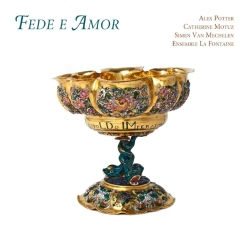
Sonata a 5, for 2 violins, 2 trombones & continuo in E minor, Vogg-V. 6
Sonata a 2 violini e 2 Tromboni in Conc.
3:18
7
3:29
12
2:13
Copyright Ⓒ 2013 Davinci Finger. All rights reseved
Service Terms & Policy