Frantisek Ignác Antonín Tuma
Sinfonia a 4 in B flat major
Released Album
Recent Album
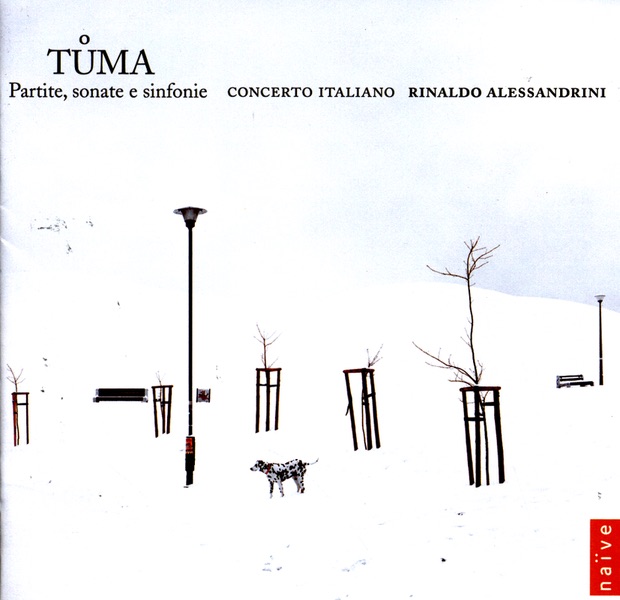
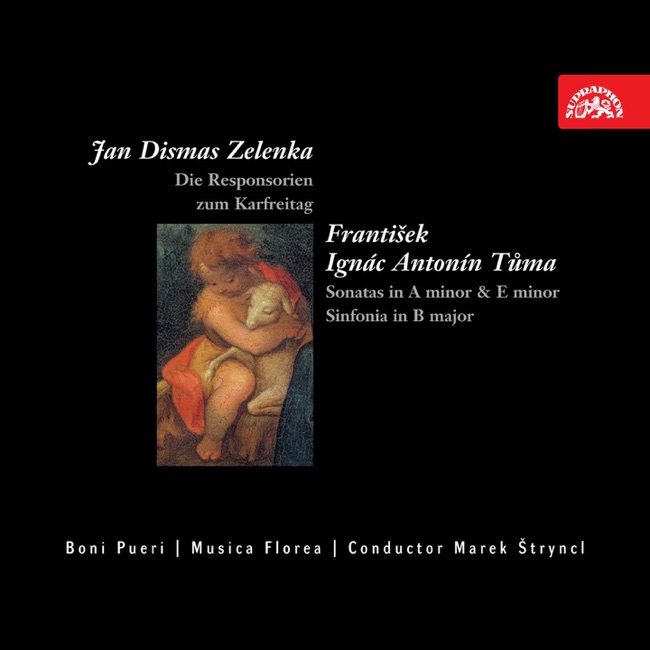
Works Info
Composer:Frantisek Ignác Antonín TumaGenre:ChamberStyle:SinfoniaAverage_duration:12:19Frantisek Ignác Antonín Tuma was a Czech composer who lived from 1704 to 1774. He was a prolific composer of instrumental music, including symphonies, concertos, and chamber music. One of his most famous works is the Sinfonia a 4 in B flat major, which was composed in the mid-18th century. The Sinfonia a 4 in B flat major is a four-movement work that was composed for a small ensemble of four instruments: two violins, a viola, and a basso continuo. The work is characterized by its lively and energetic melodies, as well as its use of counterpoint and harmonic complexity. The first movement of the Sinfonia a 4 in B flat major is marked Allegro and is in sonata form. It begins with a lively and energetic theme that is passed between the violins and the viola. The second theme is more lyrical and is played by the violins. The development section features a number of contrapuntal passages and ends with a recapitulation of the main themes. The second movement is marked Andante and is in ternary form. It begins with a slow and lyrical melody played by the violins. The middle section features a more complex and contrapuntal texture, with the viola and basso continuo providing a rhythmic accompaniment. The movement ends with a return to the opening melody. The third movement is marked Menuetto and Trio and is in minuet and trio form. The minuet features a lively and dance-like melody that is played by the violins. The trio section is more lyrical and features a solo violin playing a simple and elegant melody. The final movement is marked Allegro and is in rondo form. It begins with a lively and energetic theme that is played by the violins. The middle section features a number of contrapuntal passages and ends with a return to the main theme. The movement ends with a coda that brings the work to a lively and energetic close. The Sinfonia a 4 in B flat major was premiered in the mid-18th century and quickly became one of Tuma's most popular works. It is still performed today and is considered to be a masterpiece of the classical era. Its lively and energetic melodies, as well as its use of counterpoint and harmonic complexity, make it a favorite among both performers and audiences.More....