


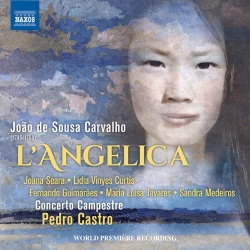
Joao de Sousa Carvalho
Released Album
Keyboard
-
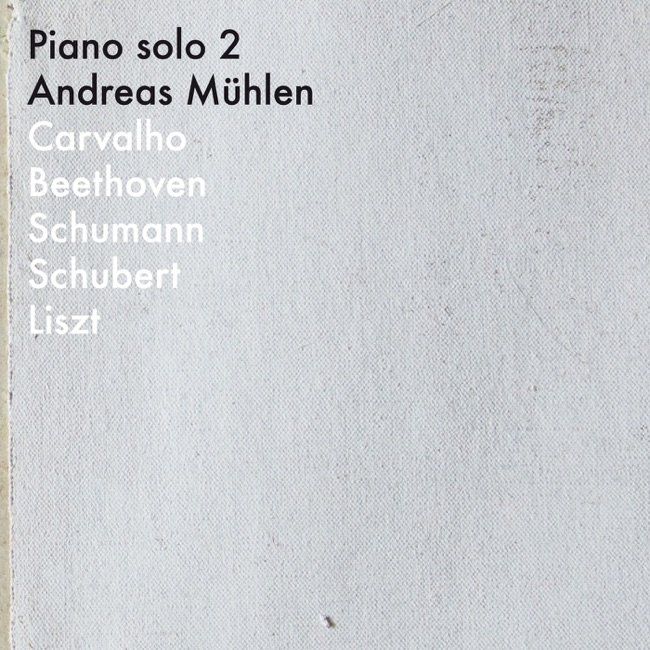 June 3, 2016
 -
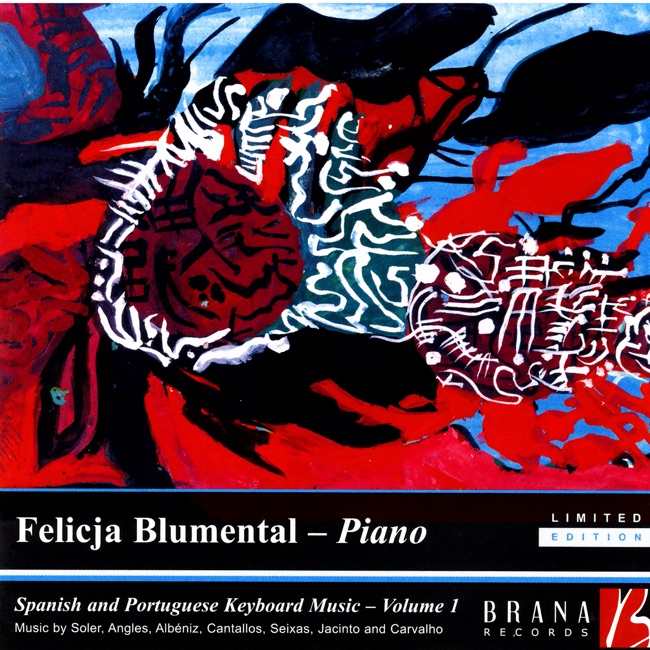 August 6, 2006
 -
 August 18, 2002
 -
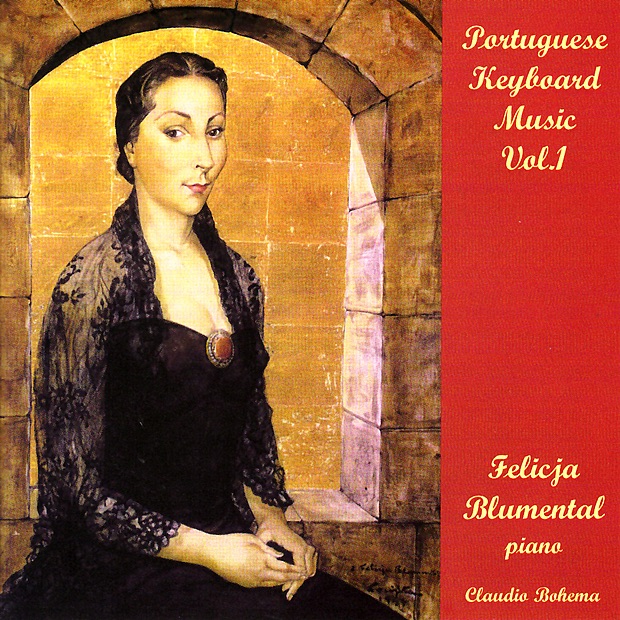 October 24, 2000
 -
 February 15, 1994
Opera
-
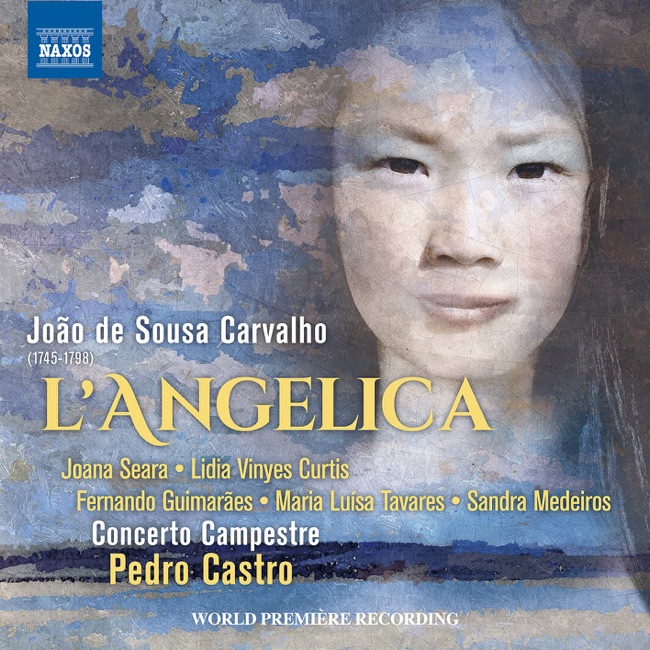 April 8, 2016
Artist Info
Role:ComposerCountry: PortugalBirth:February 22, 1745Death:1798Period:ClassicalGenre:ChoralKeyboardOperaJoão de Sousa Carvalho was a prominent Portuguese composer of the classical era. He was born on February 22, 1745, in Estremoz, Portugal, to a family of musicians. His father, Manuel de Sousa Carvalho, was a composer and organist, and his mother, Maria da Conceição, was a singer. João de Sousa Carvalho showed an early interest in music and began his musical education at a young age. Carvalho's musical education began with his father, who taught him the basics of music theory and composition. He then studied with the renowned composer Davide Perez, who was in Lisbon at the time. Perez was impressed with Carvalho's talent and took him under his wing, teaching him advanced composition techniques and introducing him to the music of the Italian masters. Carvalho's early works were heavily influenced by the Italian style, particularly that of Giovanni Battista Pergolesi. His first opera, "La Nitteti," was premiered in Lisbon in 1766 and was a great success. The opera was praised for its beautiful melodies and expressive vocal writing, and it established Carvalho as one of the leading composers of his time. Carvalho continued to compose operas throughout his career, and his works were performed in Lisbon, Porto, and other cities in Portugal. His most famous opera, "A Donzela Teodora," premiered in Lisbon in 1779 and was a huge success. The opera was based on a popular Portuguese legend and featured beautiful arias and duets, as well as lively ensemble numbers. In addition to his operas, Carvalho also composed a significant amount of sacred music, including masses, motets, and oratorios. His sacred music was heavily influenced by the music of the Italian masters, particularly that of Giovanni Battista Pergolesi and Alessandro Scarlatti. His "Missa Pastoril," composed in 1770, is one of his most famous sacred works and is still performed today. Carvalho's instrumental music was also highly regarded during his lifetime. He composed a number of symphonies, concertos, and chamber works, many of which were performed by the Royal Court Orchestra in Lisbon. His "Sinfonia em Ré Maior," composed in 1770, is one of his most famous instrumental works and is still performed today. Carvalho's music was highly regarded during his lifetime, and he was considered one of the leading composers of his time. His works were performed throughout Portugal and were also heard in other European countries, including Italy and Spain. He was also highly respected as a teacher and mentor, and many of his students went on to become successful composers in their own right. Despite his success, Carvalho's life was not without its challenges. He suffered from poor health throughout his life and was often in financial difficulties. He also experienced personal tragedy when his wife and two of his children died in a short period of time. Carvalho continued to compose until his death on August 27, 1798, in Lisbon. His legacy as one of Portugal's greatest composers has endured, and his music continues to be performed and admired today. His works are characterized by their beautiful melodies, expressive vocal writing, and skillful use of harmony and counterpoint. He was a master of the Italian style and helped to establish a distinct Portuguese musical tradition during the classical era.More....
Copyright Ⓒ 2013 Davinci Finger. All rights reseved
Service Terms & Policy