


Pixinguinha (Alfredo Vianna)
Released Album
Miscellaneous
-
 November 26, 2021
 -
 May 19, 2005
 -
 August 6, 2001
Chamber
-
 October 20, 2009
 -
 April 7, 2009
 -
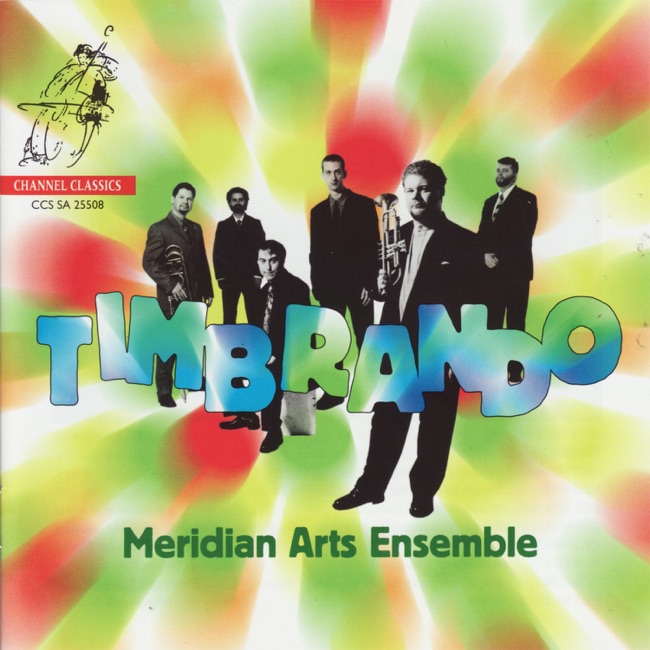 August 12, 2008
 -
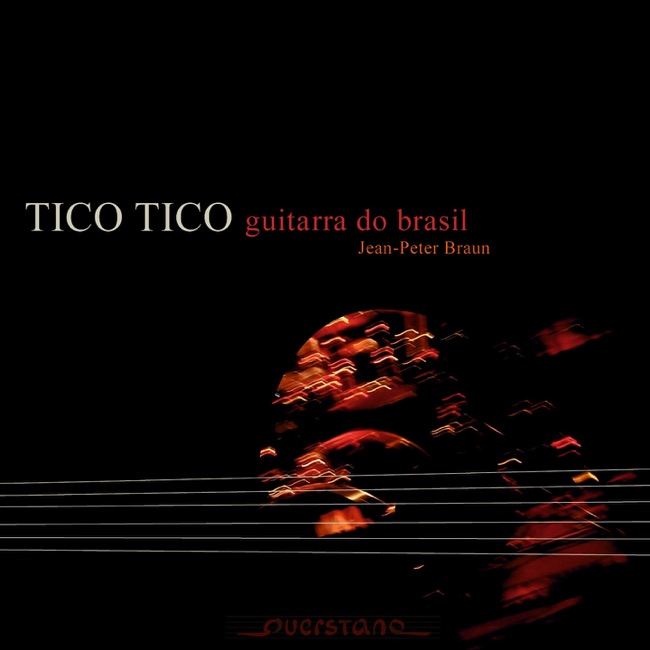 October 30, 2007
 -
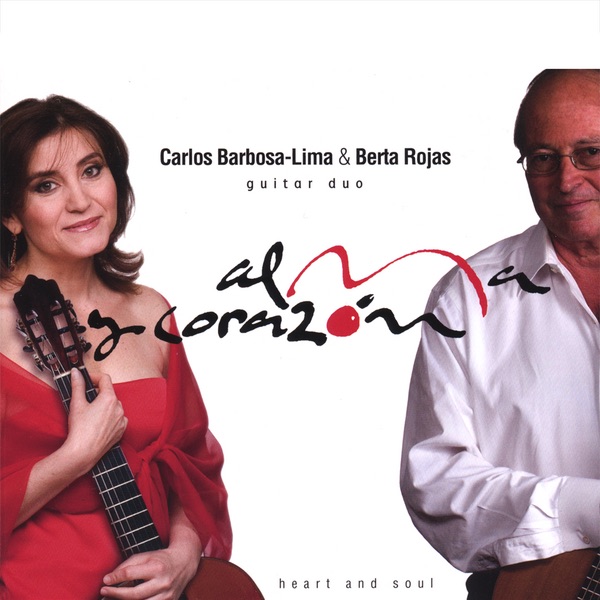 October 18, 2007
 -
 January 1, 1991
Artist Info
Role:ComposerCountry: BrazilBirth:April 23, 1888 in BrazilDeath:February, 1974 in Ipanema, BrazilGenre:VocalPixinguinha, born Alfredo da Rocha Vianna Jr. on April 23, 1897, was a Brazilian composer, arranger, flutist, and saxophonist. He is considered one of the most important figures in Brazilian music history, particularly in the development of choro, a genre of instrumental music that originated in Rio de Janeiro in the late 19th century. Pixinguinha was born in Rio de Janeiro, Brazil, to a family of musicians. His father, Alfredo da Rocha Vianna Sr., was a flutist and conductor, and his mother, Maria da Piedade, was a pianist. Pixinguinha and his siblings, including his brother, João Pernambuco, who became a renowned guitarist, grew up surrounded by music. Pixinguinha began playing the flute at a young age and later learned to play the saxophone. In the early 20th century, Pixinguinha became involved in the choro scene in Rio de Janeiro. Choro, which means "cry" or "lament," is a style of instrumental music that features virtuosic improvisation and complex rhythms. Pixinguinha quickly became one of the most respected musicians in the choro community, known for his technical skill and innovative compositions. In 1915, Pixinguinha formed the group Os Oito Batutas (The Eight Batons) with seven other musicians, including his brother, João Pernambuco. The group became one of the most popular in Brazil, performing throughout the country and even touring Europe. Os Oito Batutas were known for their virtuosic playing and their incorporation of elements of jazz and other styles into their choro music. Pixinguinha's compositions during this period, including "Carinhoso" and "Lamentos," became classics of the choro repertoire. "Carinhoso," which means "affectionate" in Portuguese, is one of the most famous Brazilian songs of all time. It has been recorded by countless artists and is considered a standard of the Brazilian music canon. "Lamentos," which means "laments," is a hauntingly beautiful piece that showcases Pixinguinha's mastery of melody and harmony. In the 1920s and 1930s, Pixinguinha continued to innovate in the choro genre, incorporating elements of samba, jazz, and other styles into his music. He also began to work as an arranger and composer for radio and film, helping to popularize Brazilian music throughout the country. During this period, Pixinguinha composed some of his most famous works, including "Um a Zero," "Rosa," and "Ingênuo." "Um a Zero," which means "one to zero," is a lively choro that celebrates Brazil's victory over Uruguay in the 1919 South American football championship. "Rosa," which means "rose," is a beautiful ballad that has become a standard of the Brazilian music repertoire. "Ingênuo," which means "naive," is a playful choro that showcases Pixinguinha's technical skill on the saxophone. In the 1940s and 1950s, Pixinguinha continued to work as a composer and arranger, but he also began to focus more on his work as a performer. He played with some of the most famous musicians in Brazil, including Carmen Miranda and Dorival Caymmi, and continued to innovate in the choro genre. Pixinguinha died on February 17, 1973, at the age of 75. He left behind a legacy as one of the most important figures in Brazilian music history, particularly in the development of choro. His compositions and arrangements continue to be performed and recorded by musicians around the world, and his influence can be heard in the work of countless Brazilian musicians who have followed in his footsteps.More....
Recent Artist Music

15
2:48
Copyright Ⓒ 2013 Davinci Finger. All rights reseved
Service Terms & Policy