


Meyer Kupferman
Released Album
Chamber
-
 August 14, 2018
 -
 May 1, 2008
 -
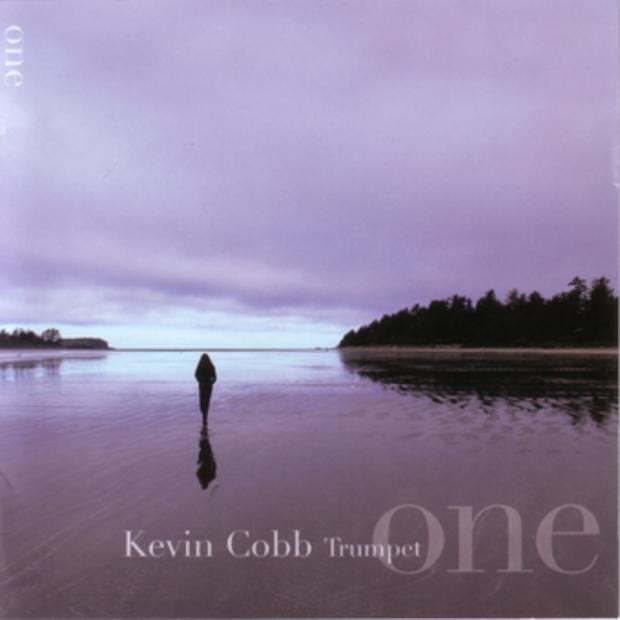 August 3, 2004
 -
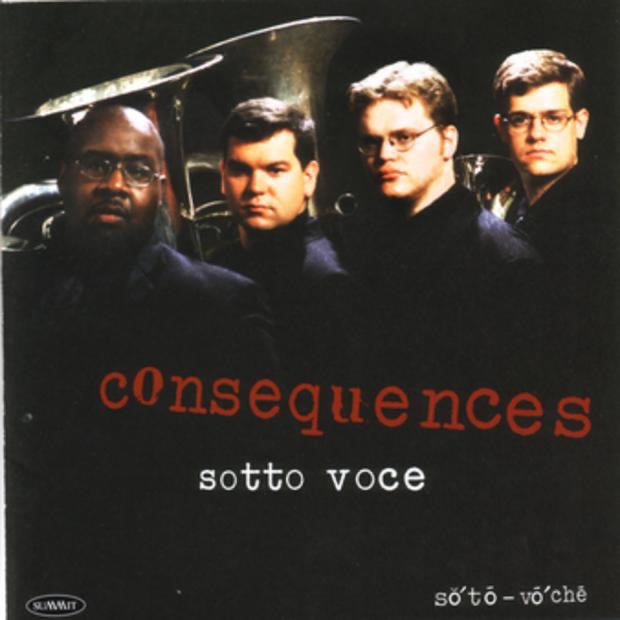 May 7, 2002
 -
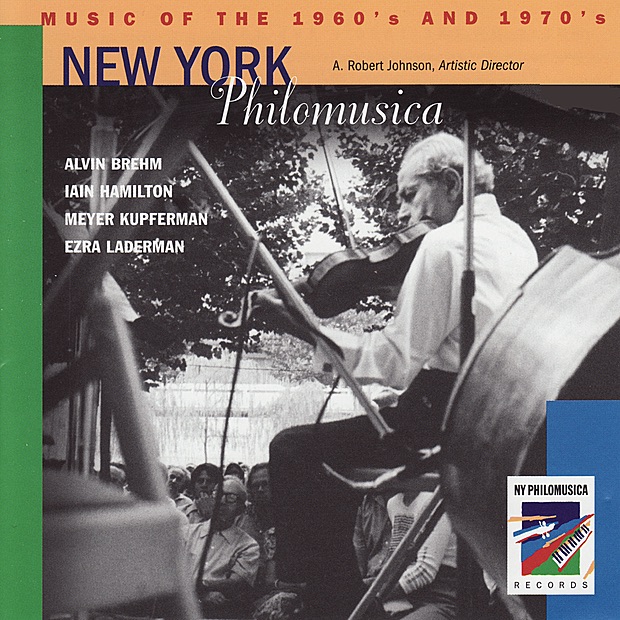 November 30, 1999
 -
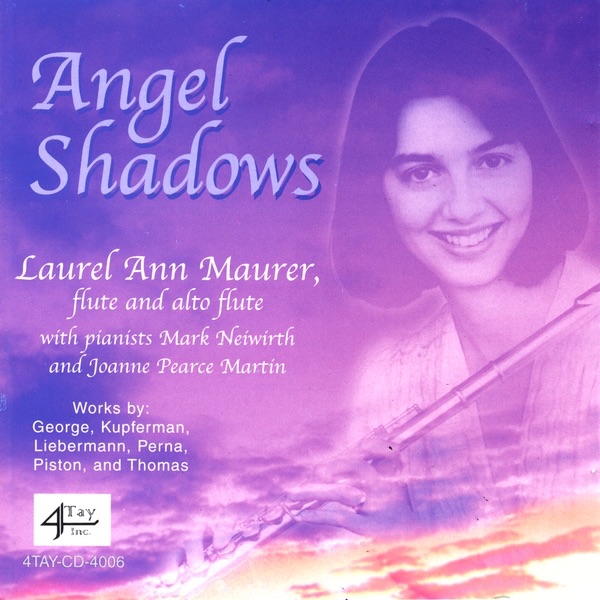 1997
1997
Artist Info
Role:Composer ConductorCountry: United States of AmericaBirth:July 3, 1926 in New York City, NYDeath:November 26, 2003 in Rhinebeck, NYPeriod:ContemporaryModernGenre:ChamberConcertoKeyboardOrchestralMeyer Kupferman was a renowned American composer of classical music, known for his unique style that blended traditional and contemporary elements. Born on July 3, 1926, in Brooklyn, New York, Kupferman grew up in a family of musicians. His father was a violinist, and his mother was a pianist, and they encouraged their son's interest in music from an early age. Kupferman began his formal music education at the age of six, studying piano and violin. He later attended the High School of Music and Art in New York City, where he studied composition with Vittorio Giannini. After graduating, Kupferman went on to study at the Juilliard School of Music, where he earned a Bachelor of Music degree in composition. Throughout his career, Kupferman composed a wide range of works, including symphonies, concertos, chamber music, and operas. His music was characterized by its use of unconventional harmonies, complex rhythms, and a wide range of instrumental colors. Kupferman was also known for his use of Jewish themes and motifs in his compositions, reflecting his deep connection to his cultural heritage. One of Kupferman's early works was his Symphony No. 1, which he composed in 1951. The piece was well-received by critics and established Kupferman as a promising young composer. Over the next few years, Kupferman continued to compose a series of works that showcased his unique style and musical voice. In 1956, Kupferman was awarded a Fulbright scholarship, which allowed him to study in Paris with the renowned composer Nadia Boulanger. During his time in Paris, Kupferman was exposed to a wide range of musical styles and techniques, which he incorporated into his own compositions. After returning to the United States, Kupferman continued to compose prolifically, producing a series of works that reflected his growing interest in contemporary music. In the 1960s, he began experimenting with electronic music, incorporating synthesizers and other electronic instruments into his compositions. One of Kupferman's most famous works is his Symphony No. 7, which he composed in 1976. The piece was inspired by the Jewish holiday of Sukkot and features a wide range of instrumental colors and textures. The symphony was well-received by critics and established Kupferman as one of the leading composers of his generation. Throughout his career, Kupferman received numerous awards and honors for his contributions to classical music. In 1983, he was awarded a Guggenheim Fellowship, which allowed him to continue his work as a composer. He was also a recipient of the American Academy of Arts and Letters Award in Music and the National Endowment for the Arts Composer's Fellowship. Kupferman continued to compose until his death in 2003, leaving behind a legacy of innovative and groundbreaking works. His music continues to be performed and studied by musicians and scholars around the world, and his contributions to the world of classical music are widely recognized and celebrated.More....




Related Artists
Copyright Ⓒ 2013 Davinci Finger. All rights reseved
Service Terms & Policy