


Colette Lorand
Released Album
Opera
-
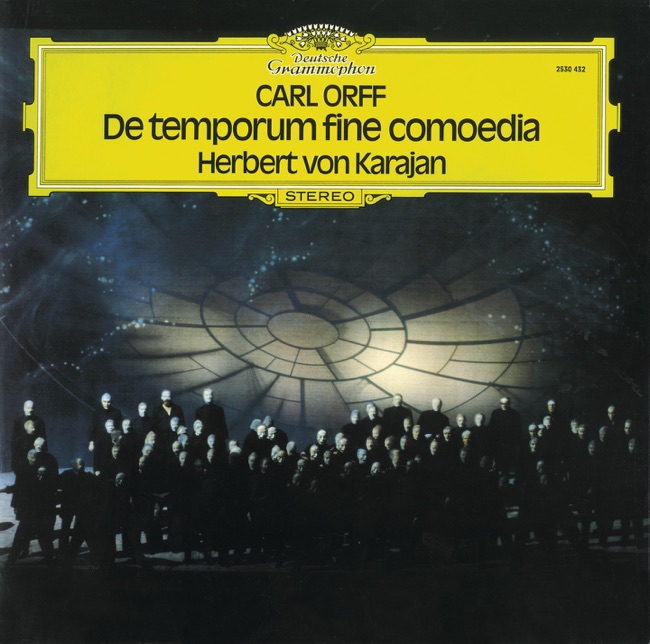 April 24, 2007
 -
 September 3, 2006
 -
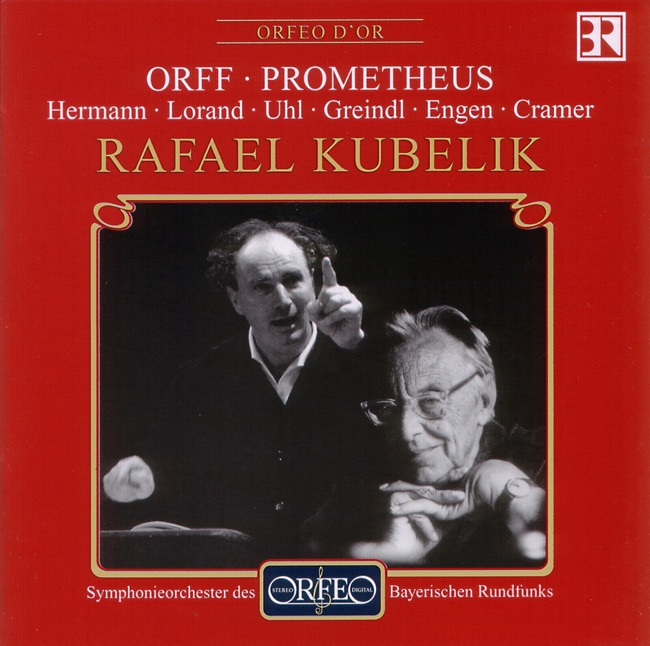 November 29, 1999
Vocal
-
 December 18, 1959
Artist Info
Period:ModernGenre:OperaColette Lorand was born on May 5, 1942, in Paris, France. She was raised in a family of musicians, and her parents were both professional classical musicians. Her father was a violinist, and her mother was a pianist. From a young age, Lorand showed a natural talent for music, and she began studying the piano and violin at the age of four. Lorand's parents recognized her talent and encouraged her to pursue a career in music. She attended the Conservatoire de Paris, where she studied under some of the most renowned classical musicians of the time. She excelled in her studies and quickly gained a reputation as a talented and dedicated musician. In 1962, Lorand made her debut as a soloist with the Orchestre de Paris. The performance was a huge success, and Lorand quickly became one of the most sought-after classical musicians in France. She went on to perform with some of the most prestigious orchestras in the world, including the London Symphony Orchestra, the Berlin Philharmonic, and the New York Philharmonic. Lorand's repertoire was vast and included works by some of the greatest composers in history, including Bach, Beethoven, Mozart, and Chopin. She was particularly known for her interpretations of the works of French composers, such as Debussy, Ravel, and Fauré. Throughout her career, Lorand received numerous awards and accolades for her contributions to classical music. In 1972, she was awarded the Grand Prix du Disque for her recording of Ravel's Piano Concerto in G Major. She was also awarded the Chevalier de l'Ordre des Arts et des Lettres by the French government in recognition of her contributions to the arts. Lorand continued to perform and record throughout her career, and she remained a beloved figure in the world of classical music until her death in 2009. Her legacy lives on through her recordings and the countless musicians she inspired throughout her career.More....
Recent Artist Music
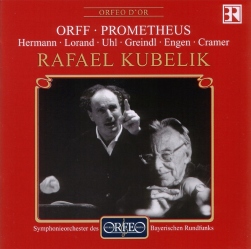
2
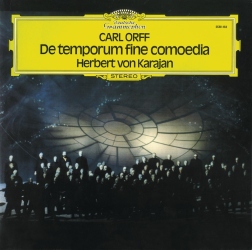
The temporum fine comodia
Part 1. Die Sibyllen. Heis theós estin anarchos, hypermegéthaes, agénaetos
7:9
Copyright Ⓒ 2013 Davinci Finger. All rights reseved
Service Terms & Policy